
 Caleb Turner
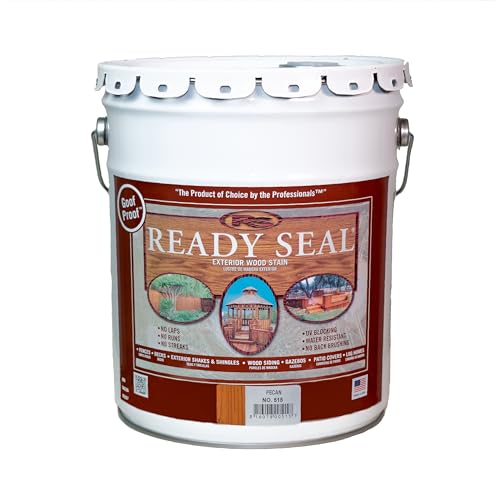
The application of a gel or oil-based pigmentation can greatly enhance the appearance of wooden items. First, ensure the surface is clean and smooth, removing dust and debris with a damp cloth. Following this, a light sanding can help the wood absorb the finish more evenly, particularly in areas with previous coatings.
Next, selecting the right product is key. A darker shade often works best when combined with a conditioner to prevent blotching on softer woods. Apply a small amount using a clean cloth or brush, always following the grain to ensure an even coloration. Remember to work in manageable sections, blending the edges for a seamless transition.
After allowing the pigment to penetrate for a recommended time, excess can be wiped off with a clean rag. It’s wise to let the first coat cure completely before applying additional layers until the desired depth is achieved. Finally, sealing the finished surface with a clear protective coating offers longevity to the newly enriched wood.
Selecting the Right Stain for Your Furniture
Choosing the appropriate color and type of finish is crucial for achieving the desired enhancement on surfaces. Consider using oil-based products for deep penetration or water-based options for faster drying times and minimal odor.


Factors to Evaluate
Take into account the wood species, existing finishes, and the desired aesthetic outcome. Darker applications can interact differently based on the underlying wood tones.
| Wood Type | Recommended Stain Type | Remarks |
|---|---|---|
| Oak | Oil-based | Excellent absorption, reveals grain details. |
| Pine | Water-based | Easier application with quick drying; watch for blotchiness. |
| Maple | Gel stain | Helps manage blotching; provides even color. |
| Cherry | Oil-based | Enhances natural color; deepens with age. |
Testing Before Application
Always perform a test on a hidden area or scrap piece of the same material. Observing how a sample reacts with the chosen finish ensures satisfaction before the final application.
Preparing Your Furniture for Staining
Thoroughly clean the piece using a mixture of warm water and mild soap. This removes dirt, grease, and old finishes that may hinder the adhesion of the new application.
After cleaning, allow the surface to dry completely to avoid trapping moisture under the new coating.
Next, consider sanding the surface. Use medium-grit sandpaper (around 120-grit) for initial sanding, followed by finer grit (220-grit) to smooth the surface. This creates a uniform texture, promoting better absorption of the color. Always sand in the direction of the wood grain to prevent scratches.
Vacuum or wipe down the piece thoroughly to remove any dust created during sanding. Using a tack cloth is effective for picking up fine particles.
Apply a wood conditioner if working with softwoods or uneven grain. This helps achieve a more consistent finish by preventing blotchiness in the color application. Follow the manufacturer’s instructions for drying times before proceeding.
If there are any existing finishes, such as varnish or lacquer, stripping them is necessary. Use a chemical stripper, following safety guidelines. Ensure ventilation and use protective gear during this process.
Finally, make sure the workspace is well-ventilated. Lay down drop cloths to protect the surrounding area from spills and drips during application.
Application Techniques for Darker Stains
Utilizing a foam brush for application creates an even finish, particularly in detailed areas. Dipping the brush lightly ensures that excess liquid doesn’t drip, allowing for controlled distribution of color. Gentle strokes in the direction of the grain maximize absorption.
For larger surfaces, employing a clean lint-free cloth can facilitate smooth application. Fold the cloth into a manageable size and use circular motions to blend the pigment seamlessly. This method allows for quick adjustments if streaks appear.
Experimenting with layering can achieve the desired intensity. Applying multiple thin coats allows for buildup of color instead of overwhelming the surface with one heavy layer. Ensuring that each coat dries completely prevents uneven results.
A good practice involves test patches on hidden areas. Observing how the material interacts with the applied shade promotes confidence in the final look. Adjusting the dwell time of the stain on the surface can also alter the tone; the longer it sits, the darker it becomes.
Using a brush for intricate details or corners prevents oversaturation in those areas. This technique allows for greater precision, ensuring that no unintended spots become darker than intended.
After achieving the preferred shade, sealing the surface with a clear topcoat preserves the richness of the hue. The protective layer not only enhances durability but also adds a subtle sheen that enriches the overall appearance.
Using Wood Conditioner for Even Staining
Applying a wood conditioner is crucial for achieving a uniform finish. This product prepares the surface, allowing the pigment to penetrate more evenly. Before starting the application, ensure the surface is clean and free from dust or grease.
Choosing the Right Conditioner
Select a conditioner that matches the type of wood you’re working with. Oil-based conditioners work well with oil-based dyes, while water-based options are suitable for water-based products. Test on a scrap piece to confirm compatibility with the chosen stain. This step prevents unexpected results on the final piece.
Application Process
Using a brush or cloth, apply the wood conditioner liberally in the direction of the grain. Allow it to absorb according to the manufacturer’s instructions–usually around 15 to 30 minutes. Wipe off any excess to prevent blotchiness. Once dry, proceed with the staining process for a rich, consistent appearance.
Finishing Touches After Staining
Allowing the freshly applied color to cure is vital. Typically, this process can take anywhere from 24 hours to several days, depending on the type of pigment used and environmental conditions. During this period, avoid touching or moving the piece to prevent smudges and fingerprints.
Applying a Protective Finish
A clear topcoat enhances longevity and creates a protective barrier. Options include polyurethane, varnish, or lacquer, each offering varying levels of durability and sheen. For a natural appearance, satin or matte finishes work well, while gloss finishes provide a more polished look. Lightly sanding the stained surface with fine-grit sandpaper before applying the clear coat can promote better adhesion and a smoother finish.
Final Touches
After the protective layer has cured, inspect for any imperfections. Minor scratches or inconsistencies can be easily corrected by buffing the surface or applying additional pigment in targeted areas. Adding hardware, such as knobs or handles, can further enhance visual appeal. Regular maintenance, involving gentle cleaning and occasional reapplication of the protective coat, is recommended to preserve the beauty of any stained surface.
Maintaining Darker Stained Wood
Regular cleaning plays a crucial role in preserving the richness of the finish. Use a soft, damp cloth for routine maintenance, avoiding abrasive materials that may scratch the surface. Mild soap mixed with warm water can aid in achieving a thorough clean without harming the wood.
Preventing Damage
Direct sunlight can fade deep tones; utilizing window treatments minimizes exposure to UV rays. Place coasters under drinks and avoid hot surfaces to protect against temperature changes that may warp the material. Regular application of wax or a specific wood polish enhances the sheen while providing an additional protective layer.
Repairing Scratches and Dents
To address minor imperfections, a furniture touch-up marker or a colored wax can blend seamlessly into the existing color. For deeper scratches, a repair kit that includes filler compatible with the wood type can restore its appearance effectively. Sanding gently around the area and reapplying the stain may be necessary for larger dings.


