
 Caleb Turner

To maintain the beauty of a piece with chalky surface, a gentle approach is crucial. Begin with a soft, lint-free cloth dampened with water. This method effectively lifts dust and grime without damaging the finish.
For more stubborn stains, adding a few drops of mild dish soap to the cloth can enhance cleaning power. Avoid aggressive scrubbing, as it may cause wear on the delicate coating.
Once the surface is cleaned, ensuring it dries completely is vital for preserving the integrity of the finish. A dry, clean cloth works best for buffing any leftover moisture.


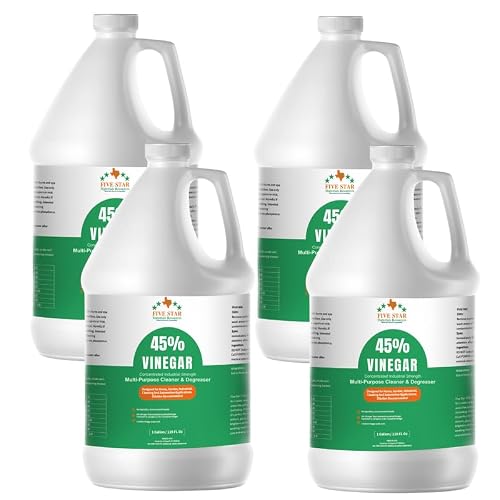
Regular maintenance prevents buildup and keeps surfaces looking fresh. Light cleaning sessions can be done weekly, while deeper cleans can be reserved for a monthly ritual.
Always remember, using harsh chemicals or abrasive tools can lead to irreversible damage. Maintaining the original charm of chalk-finished items requires care and attention.
Maintenance Techniques for Liquid-Sensitive Surfaces
Use a damp microfiber cloth for regular dusting. Avoid abrasive materials that can scratch the finish. For deeper cleansing, a mixture of mild soap and water in equal parts is preferred; apply it gently without soaking the surface.
Stain Removal Steps
- Blot spills immediately with a soft cloth; do not rub.
- For dried stains, dampen the area slightly and gently scrape with a plastic spatula.
- Apply a paste of baking soda and water, leave for 10 minutes, and then wipe away with a damp cloth.
Protective Measures
Seal the surface with a topcoat finish to enhance durability. Use coasters and mats under items to prevent scratches and stains. Regularly inspect for wear and touch up as necessary to maintain appearance.
Understanding Chalk Paint Properties
Choosing a product rich in calcium carbonate lends a velvety, matte texture. This unique formulation allows for effortless adherence to surfaces without extensive priming, making it suitable for various materials, including wood, metal, and ceramics.
Durability and Finish
This coating, although beautiful, can be susceptible to scuffs and stains. A proper sealing agent enhances resilience against scratches and moisture, significantly extending longevity. For those looking to maintain the charm of their pieces, consider a wax or polycrylic topcoat, as these options offer varying levels of sheen and protection.
Application and Dry Time
<p.Application is straightforward with brushes or rollers, allowing for a smooth finish. Drying time typically ranges from 30 minutes to two hours, depending on environmental conditions and the number of layers applied, ensuring flexibility while achieving the desired opacity. Keep in mind, light sanding between coats can improve adhesion and overall finish quality.
Choosing the Right Cleaning Supplies
Microfiber cloths are a top choice. They absorb dirt and grime without scratching the surface. Opt for a lint-free variety to prevent any residue.
For gentle wiping, choose a mild soap or a dedicated non-toxic cleaner. Avoid anything overly harsh that might strip the finish.
- Natural ingredients: Look for products containing vinegar or baking soda. These are effective and safe.
- Water-based solutions: Ensure any cleaner chosen is water-based to prevent damage.
A soft-bristle brush can help in areas with detailed textures. This allows for thorough cleaning without harm.
- Read labels before purchasing to confirm compatibility.
- Test any new cleaner on a small, inconspicuous area first.
Keep away from abrasive sponges and harsh chemicals, as these can ruin the surface. Always keep supplies organized and easily accessible for routine maintenance.
Daily Maintenance Tips for Chalk Painted Surfaces
Regularly dusting the surfaces with a soft, lint-free cloth prevents the buildup of dirt and grime. This simple habit can maintain the appearance of the finish without causing wear.
Avoid Excess Moisture
Using a damp cloth sparingly is crucial. Excessive water can cause damage or discoloration. If necessary, lightly dampen the cloth, ensuring it’s not soaking wet, and immediately wipe dry with a clean, dry cloth.
Handle with Care
Minimize scratches and dents by using coasters and placemats. Avoid placing hot items directly on the surface, as extreme temperatures can affect the finish. Regularly check for any areas that may need touch-ups, ensuring longevity and preserving its charm.
Removing Stains and Spots from Chalk Paint
For tackling stains and spots, immediately addressing any spills yields the best results. Blotting with a soft, damp cloth can prevent further absorption. For dried residues, a mixture of warm water and gentle soap can effectively remove most marks. Apply the solution with a microfiber cloth, gently scrubbing the affected area while being cautious not to damage the surface.
Persistent stains might require a paste of baking soda and water. Apply the paste directly onto the stain, allowing it to sit for a few minutes before gently wiping away. Rinse the area with a clean, damp cloth and dry thoroughly.
For grease marks or other tough spots, a dab of white vinegar on a cloth can offer a solid solution. This method neutralizes oil while freshening the surface. After treatment, wipe with a wet cloth and dry.
Always test any cleaning method on a hidden section first to ensure compatibility with the finish. In cases of deep scratches or damage, touch-up paint may be required for restoration. Keeping a small container of the original mixture handy can simplify future repairs and maintenance.
Regular dusting helps prevent dirt build-up, making stain management easier over time. Incorporate these methods into routine care for sustained beauty and longevity of the surface.
Deep Cleaning Techniques for Heavily Soiled Furniture
Mix a solution of warm water and mild dish soap in a bucket. Dampen a soft cloth with the mixture, ensuring it’s not overly wet, and gently wipe the surface to remove dirt and grime. Rinse the cloth frequently to avoid spreading stains.
Using Baking Soda Paste
Create a paste using baking soda and a small amount of water. Apply this paste directly to stubborn spots and allow it to sit for several minutes before gently scrubbing with a soft sponge or cloth. Rinse the area well with a damp cloth afterward.
Vinegar Solution for Stubborn Residue
Mix equal parts of white vinegar and water in a spray bottle. Lightly spray the solution onto the surface and let it sit for a few minutes. Wipe with a clean cloth to lift away remnants without damaging the finish. Ensure to follow up with a damp cloth to remove any vinegar residue.
Avoiding Damage During the Cleaning Process
Opt for soft, lint-free cloths for wiping surfaces, as rough materials can lead to scratches. When addressing tough grime, a gentle approach prevents compromise of the delicate finish. Avoid soaking the fabric; lightly dampened cloths work best to protect the underlying layers while ensuring effective removal of dirt.
Recommended Technique
Utilizing a circular motion while cleaning ensures even distribution of pressure, minimizing the risk of streaking or marking. For sticky residues, gently lift the debris instead of scrubbing aggressively. If tougher agents are required, test any cleaning solution on a small, inconspicuous area before full application to ensure compatibility.
Cleaning Solution Guidelines
Many traditional cleaners may contain harsh chemicals that could dull the surface sheen. Always read labels carefully, looking for pH-neutral or natural options. My personal preference includes a mixture of mild soap with water, which effectively maintains appearance without causing damage. Below is a table summarizing suitable and unsuitable cleaning agents:
| Type | Recommended | Not Recommended |
|---|---|---|
| Soap-Based | Mild Dish Soap | Bleach |
| Sprays | Vinegar Solution | Abrasive Cleaners |
| Wipes | Baby Wipes (unscented) | Rough Paper Towels |
Attention to detail extends to drying; do not leave any moisture on surfaces, as this can lead to fading or bubbling over time. Proper care not only maintains aesthetics but also prolongs the life of these pieces.
Refreshing the Finish After Cleaning
Applying a wax or topcoat will rejuvenate the surface after tidying it up. Choose a quality furniture wax or a sealant specifically designed for this type of finish. Use a clean, soft cloth to apply the chosen product in circular motions, ensuring even coverage.
Wax Application
For a natural, matte look, opt for a clear wax. Work it into small sections to allow adequate time for absorption. After applying, buff with a microfiber cloth to eliminate excess and achieve a smooth feel.
Topcoat Options
If a glossier finish is preferred, a water-based polyurethane can be applied. This creates a more durable shield against scratches and spills. Apply thin layers with a foam brush, allowing each coat to dry thoroughly before adding additional layers for optimal protection.
When to Seek Professional Help for Cleaning
If severe discoloration or extensive damage occurs, professional intervention might be necessary. When stains resist removal efforts, it’s an indication that specialized techniques or products are required. Should deep scratches or dents be present, consulting with an expert will ensure proper restoration without compromising the integrity of the surface.
In situations where a complete overhaul is demanded, such as outdated finishes or structural flaws, a professional’s skill can provide a comprehensive solution. Additionally, if there is uncertainty regarding the appropriate cleaning agents to use, a specialist can recommend the best course of action to prevent further deterioration.
When time constraints limit personal cleaning efforts, hiring a professional can save significant time and ensure that the item is handled with care and expertise. Lastly, if there’s a sentimental value attached to a piece, involving a professional can help preserve its original charm and significance.


