Caleb Turner
I recommend using a simple mixture of vinegar and olive oil to treat minor blemishes. Combine equal parts of each in a small container and stir well. With a soft cloth, apply the concoction to the affected area, gently rubbing in the direction of the grain. This method not only aids in blending the imperfection but also adds a layer of nourishment to the surface.
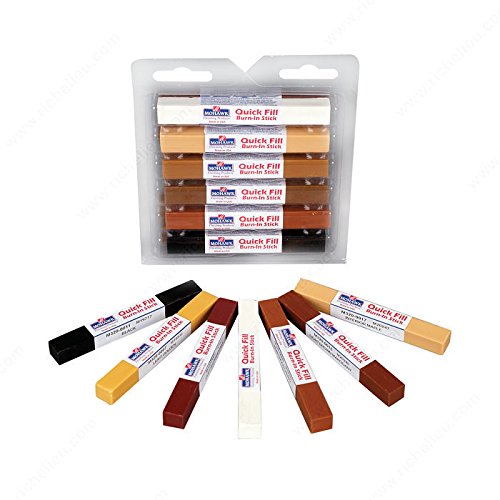
If the damage is more pronounced, consider a wax stick that matches the stain of your piece. Begin by cleaning the area thoroughly with a mild soap solution, allowing it to dry completely. Next, use the wax stick to fill in the gap, pressing firmly and ensuring an even application. After it sets, gently buff the area with a soft cloth to produce a seamless finish.
As a final touch, applying a clear furniture polish can revitalize the overall appearance. Spray a small amount onto a microfiber cloth and wipe the entire piece, focusing on the repaired sections. This will not only enhance the look but also provide a protective layer, ensuring longevity and brilliance.
Assessing the Damage: Identifying the Type of Nick
First, I examine the depth and size of the imperfection. This helps in determining the best approach for restoration. I categorize the damage into three main types:


- Surface Scratches: These are usually superficial and affect only the finish. I can often remedy these with touch-up markers or furniture polish.
- Shallow Gouges: These cut slightly deeper and may require a mixing of wood filler color to match the surrounding area. I look for fillers that can be seamlessly blended.
- Deep Chips: If the grain is broken or missing, I assess whether the piece can be re-stained or if a more extensive repair, such as wedging a sliver of wood, is needed.
Next, I consider the wood type–hardwoods may require different repair methods compared to softwoods. Checking for any finish or coating helps me select compatible products during restoration.
I also take note of the location of the damage. For instance, if it’s on a frequently used surface, I select a durable solution. Observing the overall appearance allows me to decide whether I want to refine the finish across the entire surface for a cohesive look.
Lastly, I evaluate the surrounding décor and environment. I aim for materials and techniques that not only restore but also enhance the aesthetic of the entire space.
Gathering Necessary Tools and Materials for Repair
First, I recommend collecting a few key instruments to ensure a successful restoration process. Begin with the following items:
Tools
| Tool | Purpose |
|---|---|
| Putty Knife | For applying wood filler smoothly. |
| Fine Sandpaper | To smooth edges around the damaged area. |
| Cloth | For dust removal and clean-up. |
| Paintbrush | To apply stains or sealants evenly. |
| Utility Knife | For trimming excess material if necessary. |
Materials
Gather the following supplies to complete the project:
| Material | Purpose |
|---|---|
| Wood Filler | To fill in gaps and imperfections. |
| Stain or Finish | For matching the color and protecting the surface. |
| Clear Coat | To provide a protective layer over the repair. |
Having these tools and materials ready will streamline the restoration and enhance the results, allowing for a more satisfying outcome.
Cleaning the Affected Area Before Repairing
To ensure a smooth repair process, I always clean the damaged section thoroughly. I begin by dusting off the surface with a soft cloth to remove any loose dirt or debris. This step is crucial as contaminants can interfere with the adherence of repair materials.
Next, I prepare a mild cleaning solution using warm water and a few drops of dish soap. With a soft sponge, I gently wipe the area, ensuring I don’t saturate the wood. After cleaning, I rinse the sponge with clean water and go over the surface again to eliminate any soap residue.
Once dried, I inspect the location closely. If any old wax or polish residues are still present, I use a bit of mineral spirits on a clean cloth to remove these stubborn substances. This helps in achieving a clean, receptive surface for subsequent repair steps.
It’s important to let the area dry completely before moving on to the next stage. I usually wait for at least an hour, depending on the humidity. This ensures that all moisture evaporates, allowing the repair materials to bond effectively with the surface.
Using Wood Fillers to Repair Deeper Nicks
Select a suitable wood filler that matches the color and texture of the surrounding surface. I typically opt for either a water-based or solvent-based product, depending on the specific needs of the repair.
Before application, ensure the filler is well-mixed. Take a small amount of the product and use a putty knife to press it firmly into the damaged area, ensuring it completely fills the void.
Once filled, smooth the surface with the putty knife. Aim to make it level with the surrounding material. Allow the filler to dry according to the manufacturer’s instructions, usually about 30 minutes to a few hours.
After drying, I gently sand the spot with fine-grit sandpaper to create a seamless finish. Be cautious not to sand away the surrounding area. A quick touch-up with matching stain or paint can further blend the repaired section with the rest of the surface.
Below is a quick reference table to assist in selecting the right wood filler:
| Type of Filler | Best For | Drying Time |
|---|---|---|
| Water-Based | Indoor repairs | 1-2 hours |
| Solvent-Based | Outdoor applications | 2-4 hours |
| Epoxy | Structural damage | 4-6 hours |
Always finish the repair with a protective clear coat to enhance durability and match the sheen of the original surface, ensuring your restoration efforts last longer.
Applying Furniture Wax for Surface Nicks
Begin by selecting a high-quality furniture wax that complements the finish of your piece. I prefer paste wax for its durability and ease of application.
Follow these steps to apply the wax effectively:
- Ensure the affected area is clean and dry. Dust or dirt can hinder the wax’s adhesion.
- Using a soft cloth or a clean applicator pad, scoop a small amount of wax. Less is more; you can always add more if needed.
- Apply the wax to the nick in small circular motions, focusing on blending the wax with the surrounding surface. This helps to conceal the imperfection.
- Allow the wax to sit for about 10 to 15 minutes. This gives it time to penetrate and adhere to the surface.
- Buff the area with a clean, soft cloth to assess the blend. If necessary, repeat application for deeper coverage.
For additional protection, consider buffing the entire surface after dealing with the marked spots. This can rejuvenate the look of the entire item.
Regular maintenance with wax can also help prevent future damage, keeping the surfaces looking pristine and better equipped to resist wear.
Utilizing a Wood Stain to Match the Original Color
For repairs requiring color matching, selecting a suitable stain is crucial. Begin by identifying the type of finish on the surface–whether it is oil-based, water-based, or lacquer–so you can choose a compatible stain that blends seamlessly.
Test a small amount of stain on a hidden area to see how the color interacts with the existing finish. Allow this test patch to dry completely before assessing. This step ensures that the selected hue aligns with your expectations.
Apply the stain using a soft cloth or brush, working it into the area with gentle strokes. Aim for a feathering technique to blend the repair with surrounding surfaces. Gradually build up layers of color; multiple light applications may yield a more natural look than a single heavy coat.
After achieving the desired shade, let the stain cure fully according to the manufacturer’s instructions. If necessary, follow up with a protective finish that matches the sheen of the original surface, ensuring longevity and maintaining the furniture’s aesthetic appeal.
This approach provides an effective means of restoring the appearance of your treasured pieces while preserving their integrity.
Blending the Repaired Area with Sanding Techniques
For seamless integration of the treated spot, I utilize specific sanding methods tailored to the surface. I begin with a fine-grit sandpaper, typically around 220 grit, meticulously working the area surrounding the repair. This fine grit ensures that I don’t damage the surrounding finish while gradually leveling the newly filled region with the original texture.
I maintain a gentle hand, sanding in the direction of the grain, allowing for the natural patterns to guide my strokes. It’s crucial to avoid circular motions, as these can create uneven surfaces and noticeable blemishes. Instead, I focus on light, even pressure to blend the repaired spot smoothly.
Once the area feels level, I switch to an even finer sandpaper, around 320 grit, for the finishing touches. This step smooths out any micro-imperfections left from the coarser grit and prepares the surface for refinishing. I carefully run my fingers over the area periodically to check the smoothness and ensure it mirrors the original finish.
After achieving a satisfactory blend, I thoroughly clean the area with a soft cloth to remove any dust particles. This step is vital before applying any touch-up stain or finish, as residue can hinder adhesion and affect the final appearance.
Lastly, I often follow up the sanding technique with a light buff using a finishing compound, which helps restore luster and ensures the repaired area seamlessly integrates with the surrounding surfaces. This meticulous approach allows me to achieve a result that’s pleasing to the eye and maintains the integrity of the piece.
Sealing the Repair to Protect Against Future Damage
To ensure long-lasting results after addressing imperfections on surfaces, applying a protective sealant is crucial. A quality sealant creates a barrier against moisture, dirt, and wear, preserving the integrity of the repair.
Recommended Sealant Options
- Lacquer: Dries quickly and provides a hard, protective surface. Ideal for high-traffic areas.
- <strong polyurethane: Offers durability and resistance to scratches. Available in various finishes.
- Varnish: Provides UV protection and is suitable for outdoor applications.
Application Steps
- Allow the repair to cure completely before sealing, usually 24 hours.
- Prepare the surface by cleaning off any dust or debris using a soft cloth.
- Using a clean brush or foam applicator, apply the sealant evenly. Start from one end and move in smooth strokes.
- Let the first coat dry according to the manufacturer’s instructions. Lightly sand the surface with fine-grit sandpaper once dry.
- Apply a second coat for added protection, repeating the drying and sanding process if necessary.
Let the final coat cure completely before using the area again. This extra step ensures the repair not only blends seamlessly but also withstands future challenges.
Regular Maintenance Tips to Prevent Nicks
Ensure surfaces are routinely cleaned using a soft, damp cloth. This prevents dirt and debris from scratching the finish.
Consider using coasters and placemats to shield the surface from hot or damp items. This simple addition can significantly reduce the risk of damage.
Apply a quality protective finish every few years. A good sealant provides a barrier against moisture and potential abrasions.
Control Humidity Levels
Maintain stable humidity levels in your space. Excessive fluctuations can cause the material to expand and contract, leading to an increased likelihood of blemishes. Use a dehumidifier during humid months and a humidifier in dry seasons.
Inspect for Wear
Regularly check for wear and tear. Performing minor touch-ups early can stave off larger issues later. Promptly address any signs of dullness or scratches to keep your possessions looking pristine.