
 Caleb Turner
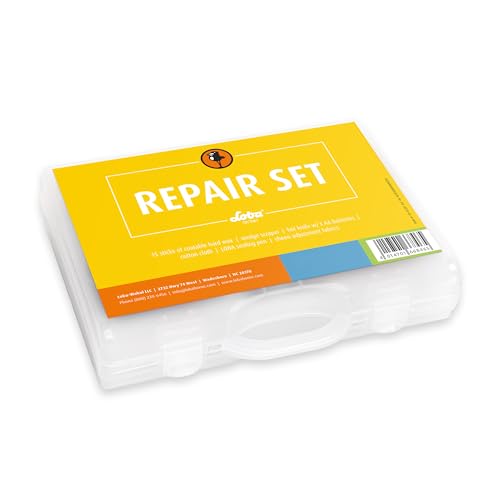
Begin by identifying the specific type of damage you are dealing with. Scratches can often be treated using a specialized marker or touch-up pen that closely matches the color of your surface. For deeper blemishes, consider utilizing wood filler that can be sanded down and painted over once it dries. This approach keeps the integrity of your piece while restoring its appearance.
In cases where the top layer has peeled away, I recommend using a strong adhesive specifically designed for the material. Apply the glue under the lifted section, pressing down firmly for a few minutes until it bonds properly. Use a weight or clamp to ensure a tight hold while it cures.
For stains, a mixture of vinegar and olive oil can act as a natural remedy. Apply it with a soft cloth, rubbing gently in the direction of the grain. Always test a small, inconspicuous area first to confirm compatibility with the finish. This method can lift some marks without causing further damage.


Finally, consider protecting your surfaces with a clear coat after repairs. This additional layer can help shield against future wear and tear. Select a product that is compatible with the original finish for optimal results.
Repairing Surface Damage
To address scratches or dents, I utilize a simple method involving a scratch filler or a color-matching marker. First, clean the affected area. Then, apply the filler directly into the scratch, ensuring an even application. After it dries, I gently buff the area with a soft cloth to blend it with the surrounding surface.
For deeper scratches, I opt for a wood repair paste. I fill the scratch, smooth it out with a putty knife, and once it hardens, I sand it lightly before applying a protective finish.
Resealing Edges
If the edges are peeling, I carefully lift them with a plastic scraper. I apply an appropriate adhesive before pressing the laminate back into position. I use a heavy object to weigh it down for a few hours, ensuring a strong bond. If needed, I add a layer of sealant along the edges for additional protection.
Identifying Common Damages in Laminate Furniture
Check for scratches on the surface, which are often superficial but can detract from the piece’s appearance. Use your fingers to feel for any irregularities that may indicate deeper damage.
Look for chips or dents along edges, as these can indicate rough handling or collisions. Inspect corners closely, since they are particularly susceptible to impact.
Water Damage Signs
Examine for discoloration or warping caused by moisture exposure. If surfaces feel swollen or rough to the touch, they likely require immediate attention to prevent further deterioration.
Peeling Layers
Inspect for areas where the outer layer may be lifting. This can lead to additional peeling and compromise the overall integrity of the piece. Look for gaps between layers and consider applying adhesive to reattach where necessary.
Steps to Repair Scratches on Laminate Surfaces
To effectively address scratches, gather the necessary materials first: a magic eraser, furniture marker or crayon, and a clear topcoat sealant.
Step 1: Clean the Area
Wipe the scratched surface using a damp cloth to remove any dirt or debris. Allow it to dry completely before proceeding.
Step 2: Use a Magic Eraser
Gently rub the scratch with a magic eraser in a circular motion. This can help to diminish the visibility of the scratch by buffing the area.
Step 3: Apply Color
Select a furniture marker or crayon that closely matches the surface color. Apply it directly to the scratch, filling in the area. Use a cloth to blend if necessary. Let it dry.
Step 4: Seal the Repair
Once the color is dry, apply a clear topcoat sealant to protect the area. This adds durability and helps blend the repair with the surrounding surface.
Step 5: Final Inspection
After everything has dried, inspect the area closely. If the scratch remains visible, repeat steps 3 and 4 until satisfactory results are achieved.
Replacing Damaged Edges of Laminate Surfaces
Begin by assessing the extent of the damage on the edges. If the edge banding is peeling or chipped, I recommend purchasing iron-on edge banding that matches your surface. This material is specifically designed for straightforward application and durability.
Prepare the damaged area by cleaning it thoroughly with a mild degreaser to remove any dirt or residue. Dry it completely before proceeding. Cut the edge banding to the exact length needed, ensuring a precise fit. Lay the strip along the edge and position it carefully.
Next, use an iron set to a medium heat without steam. Place a cloth over the edge banding and press the iron down for about 10-15 seconds, allowing the adhesive to bond effectively. Avoid direct contact between the iron and the banding to prevent damage.
After the adhesive has cooled, trim any excess banding with a sharp utility knife for a clean finish. If there are any rough edges, lightly sand them down using fine-grit sandpaper for a seamless appearance.
To enhance durability, consider applying a thin line of waterproof sealant along the edge. This will protect against moisture and wear over time.
Finally, inspect your work to ensure the banding is secure and appears uniform with the surrounding surface. Regular maintenance will prevent future damage and extend the life of your pieces.
| Step | Description |
|---|---|
| 1 | Assess the damage on the edges. |
| 2 | Purchase matching iron-on edge banding. |
| 3 | Clean the damaged area with a mild degreaser. |
| 4 | Cut edge banding to desired length. |
| 5 | Iron the banding in place using a cloth barrier. |
| 6 | Trim excess banding with a utility knife. |
| 7 | Sand down any rough edges. |
| 8 | Apply waterproof sealant for added protection. |
| 9 | Inspect the finish for uniformity. |
Techniques for Refilling Chips in Laminate Finish
For small chips in the surface, I rely on a color-matched repair marker or crayon specifically designed for furniture. I apply it carefully, ensuring that it fills the chip completely. Once dry, I gently buff the area with a soft cloth for a smooth finish.
Another effective method involves using a wood filler or epoxy putty. I prefer a two-part epoxy, mixing the components according to the manufacturer’s instructions. After applying the mixture into the chip, I level it off with a putty knife, ensuring a flush surface. After it cures, I sand gently until seamless.
If the damaged area is larger, I opt for a veneer patch. I choose a patch that closely matches the surrounding finish and apply it with strong adhesive. After securing it, I trim the edges carefully and sand it to blend with the existing surface.
For minor color disparities after repair, I find that using a touch-up stain can harmonize the appearance. I dab a small amount onto the repaired spot and blend it with a cloth to achieve a uniform look.
Lastly, certain brands offer laminate repair kits containing all necessary tools and materials. These kits typically include a selection of colors, fillers, and detailed instructions. I find them convenient for achieving professional results with ease.
Approaches to Restore Faded Laminate Color
To revitalize the color of worn surfaces, I apply a suitable wood stain that matches the original hue. Choosing a gel stain works effectively, allowing for precise control during application.
First, I ensure the area is clean and free from dust, using a damp cloth to wipe it down. Once dry, I use a small brush or cloth to apply the stain in even strokes, focusing on areas showing the most fading.
After the initial application, I let the stain sit for several minutes before wiping off excess with a clean rag. This step is crucial to achieve the desired intensity without oversaturation.
If the color still seems insufficient, I repeat the staining process until I reach the preferred shade. After achieving the desired color, I let it cure for at least 24 hours to ensure durability.
Additionally, using a color-matching polish or conditioner can enhance the overall appearance. Regular maintenance, such as applying a protective top coat, helps preserve the restored color and prolong its lifespan.
Best Practices for Maintaining Laminate Furniture After Repair
Regular cleaning with a soft cloth and a mild detergent helps retain the beauty of surfaces. Avoid abrasive materials that could scratch the finish.
Apply a protective polish periodically to maintain luster. This also creates a barrier against dirt and moisture.
Keep the environment stable; extreme temperatures and humidity can warp structures. Use coasters and mats to protect from heat, moisture, and stains.
Inspect for damages regularly, addressing minor issues immediately to prevent further deterioration.
Consider placing felt pads under objects to avoid scratches during everyday use. Store items properly to reduce unnecessary weight that could compromise integrity.
Utilizing a gentle vacuum attachment removes dust without risk of damage, enhancing overall appearance without harsh cleaning methods.


