
 Caleb Turner
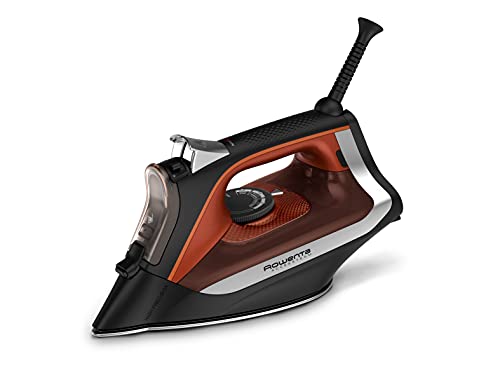
Place a damp cloth over the affected area and apply a warm iron for a few seconds. This method allows the steam to penetrate the fibers, helping them return to their original position. Be sure to keep the iron moving to avoid scorching.
Another effective technique is to use ice cubes. Position a few cubes directly on the imprints and let them sit until they melt. The moisture will help to rejuvenate the fibers. Afterward, gently fluff the area with your fingers or a soft brush to restore the texture.
If persistent patterns remain, consider using a specialized carpet cleaner. Follow the manufacturer’s instructions carefully, and test any solution on a discreet section first. This can remove dirt and oils that may have intensified the marks over time.
How to Recover Flooring Marks Left by Furniture Supports
I recommend using ice cubes as a quick remedy. Place a few cubes in a cloth and set them on the marks. Let them sit until they melt, which will help the fibers revert to their original position.
If the marks persist, gently brush the affected area with a soft-bristled brush. This can help lift the fibers back into place without damaging them.


Try using a steam iron in a controlled manner. Set it on a low setting and hold it just above the floor without direct contact. The steam can loosen up the fibers, allowing them to spring back.
An alternative involves using a damp cloth and a hand-held hairdryer. Lightly moisten the cloth and place it over the marks, then blow warm air from the hairdryer onto the cloth. This combination can assist in reviving the flat areas.
Leave a small, lightweight object on top of the spot for a few days to help reshape the fibers naturally after addressing them. This method requires no additional tools and is simple to execute.
Understanding Carpet Indentations and Their Causes
The permanent marks on the flooring occur due to prolonged pressure exerted by weighty items. The fibers lose their resilience, leading to visible depressions. This is particularly common with plush and low-pile textiles, where the material is more susceptible to compression.
Common Reasons for Marks
Types of Flooring Material Affected
Assessing the Depth of Indentations
Begin by visually inspecting the affected areas to determine the severity of the depressions. Gently press a finger against the indentation. If it springs back quickly, the damage may be minor. However, if it retains the shape, deeper damage is likely present.
Methods for Measurement
- Use a ruler or measuring tape: Measure the deepest part of the impression to quantify how pronounced it is. Record the depth in millimeters or inches for reference.
- Employ a level surface: Place a flat object over the indentation while measuring the distance from the object to the surface. This can help gauge the actual depth more accurately.
Recommended Actions Based on Depth
- For shallow marks (less than 1/4 inch): Often, simple methods like steam or weight can restore the fibers.
- For moderate impressions (1/4 to 1/2 inch): More intensive techniques involving warmth and moisture may be necessary.
- For deep depressions (over 1/2 inch): Replacement or professional cleaning might be the most viable solution to regain the original look.
Knowing the extent of the issue aids in selecting the correct approach for restoration. An accurate assessment saves time and can prevent further complications.
Using Ice Cubes to Restore Carpet Pile
I recommend placing a few ice cubes directly on the affected spots. Allow the ice to melt completely. This process helps to loosen the fibers in the material without causing any damage.
Once the ice melts, gently use your fingers or a soft cloth to fluff up the fibers. This restores the natural appearance and helps to camouflage any flat areas. A fork or similar tool can also be used to separate and lift the fibers for a better result.
For optimal outcomes, consider repeating this method for particularly stubborn marks. Patience is key to achieving a smooth and inviting finish.
Applying Steam to Lift Carpet Fibers
Utilizing steam can significantly assist in restoring the original shape of floor coverings. For this method, a handheld steam cleaner or an iron with a steam function will be effective. First, set the appliance to a lower steam setting to avoid scorching the fibers.
Begin by holding the steam nozzle a few inches above the affected area. Apply steam lightly, without saturating the fibers. This process helps relax them, allowing them to return to their upright position. Move the nozzle in circular motions to evenly distribute the steam.
After steaming, I recommend gently brushing the fibers with a soft-bristle brush. This action can help further realign them, enhancing the restoration process. Once completed, allow the area to air dry. It’s essential not to walk on it until it is completely dry to prevent new impressions.
| Step | Action |
|---|---|
| 1 | Set the steamer or iron to low heat. |
| 2 | Hold the nozzle a few inches above the area. |
| 3 | Apply steam in circular motions. |
| 4 | Gently brush the fibers with a soft-bristle brush. |
| 5 | Allow the area to air dry completely. |
Utilizing a Spoon for Gentle Restoration
Take a spoon and gently rub the affected area with the convex side against the fibers. The pressure will help to lift and fluff the flattened strands. It’s essential to use moderate force to avoid damaging the fibers. Start at the outer edge of the mark and work your way inward to promote even restoration.
Technique Tips
For optimal results, employ a back-and-forth motion while keeping the spoon at a slight angle. This will help to separate the fibers without pulling them out. If the material is still damp from previous treatments, wait until it dries completely before applying this method to prevent any accidental tearing.
Post-Care Recommendations
After completing this process, I recommend avoiding placing heavy objects on the area for at least a few hours. Additionally, consider regular vacuuming to maintain the texture and appearance of the flooring.
Preventing Future Indentations with Furniture Pads
Applying protective pads beneath the legs of furnishings is crucial. These soft barriers distribute weight evenly, minimizing pressure on the surface below. Select pads made of dense felt or rubber for optimal performance.
Regularly inspect pads for wear and replace them as needed. Consider utilizing clear adhesive pads for transparency, ensuring they blend seamlessly with your décor.
Positioning area rugs or mats beneath heavy items can also help in significantly cushioning the impact. This additional layer not only offers protection but enhances the aesthetics of a room.
For those who frequently rearrange their living spaces, consider purchasing adjustable or interlocking pads. These options allow for flexibility and facilitate maintaining a pristine floor beneath movable furniture.
Lastly, educate everyone in the household about moving techniques. Lifting furniture instead of dragging will greatly reduce the likelihood of any impressions forming on your flooring.
Cleaning and Maintenance Tips for Your Carpet
Regular care for flooring is crucial in maintaining its appearance and longevity. Here are targeted strategies I use:
- Vacuum frequently: I make it a habit to vacuum at least once a week. Regular vacuuming removes dirt and debris, which can wear down fibers.
- Address spills immediately: For stains, I blot the area with a clean cloth and mild detergent. It’s essential not to rub, as this can spread the stain.
- Deep clean periodically: Every 6-12 months, I rent or hire a shampooing machine. This helps remove deeper-set dirt and allergens.
- Use a soft brush: For maintaining texture, I gently brush the fibers with a soft-bristled brush after vacuuming. This revives the appearance.
- Check humidity levels: I monitor indoor humidity. Excess moisture can lead to mold, while too little can damage fibers. A dehumidifier is helpful in high humidity areas.
- Rotate rugs: Allowing sunlight to hit all areas evenly prevents uneven fading. Every few months, I move rugs to different locations.
Incorporating these tips into my routine helps keep my flooring looking fresh and extends its life. I find proactive measures always pay off in the long run.
FAQ:
What are carpet indentations caused by furniture legs?
Carpet indentations are the marks or depressions left on the carpet fibers when heavy furniture is placed on top of them for an extended period. The weight of the furniture compresses the fibers, causing them to lose their shape and resilience. This can happen with various types of carpeting, including plush or Berber styles, and may be more noticeable with heavier pieces like sofas, bookshelves, or dining tables.
How can I remove indentations from my carpet without damaging it?
There are several methods to reduce or remove carpet indentations without harming the material. One effective approach is to place a damp cloth over the affected area and gently steam it using a steam iron held a few inches away. The moisture can help in loosening the fibers, allowing you to fluff them back into shape. Another option is to use ice cubes; simply place them on the indentation, let them melt, and then use a soft brush to lift the carpet fibers. This process can take some time and sometimes requires multiple attempts, but it can lead to good results.
Is there a way to prevent future carpet indentations from furniture?
To prevent future indentations, consider using furniture coasters or felt pads under the legs of your furniture. These pads distribute the weight more evenly and reduce the pressure on the carpet fibers. Additionally, rearranging furniture from time to time can help minimize the risk of permanent indentations. Choosing lighter furniture or keeping heavier pieces on area rugs can also be beneficial.
How long does it take for carpet indentations to disappear on their own?
The time it takes for carpet indentations to disappear can vary depending on the type of carpet and the weight of the furniture. In some cases, lighter indentations may recover on their own within a few days if the weight is removed. However, deeper impressions may take weeks or even months to gradually fade, especially if the carpet fibers are dense. Regular maintenance and occasional fluffing of the carpet can help speed up the process.
Are there professional services that can help with carpet restoration?
Yes, there are professional carpet cleaning and restoration services that specialize in repairing damages caused by furniture indentations. These professionals have the experience and equipment necessary to effectively address the issue without harming your carpet. They may use specialized cleaning techniques, tools, or steam treatment to restore the carpet’s appearance. If you are encountering particularly stubborn indentations or if the carpet is costly, consulting with a professional might be a worthwhile investment.
What are some effective methods to remove carpet indentations left by furniture?
There are several methods to address carpet indentations caused by furniture. One common technique involves using a damp cloth and steam. You can place a damp cloth over the indentation and apply heat using an iron set to a low setting. Move the iron gently over the cloth for a few seconds. The steam will help loosen the carpet fibers, allowing them to bounce back into their original shape. Another method is to use an ice cube. Place an ice cube in the indentation and let it melt. Once the water has absorbed, use a fork or your fingers to carefully fluff the carpet fibers. This can help restore the carpet’s texture. For tougher indentations, consider the use of specialized carpet cleaning products that can also help rejuvenate the fibers.


