
 Caleb Turner

First, assess the condition of the damaged item. Check for loose strands or sections that need to be reattached. For minor breaks, a strong adhesive designed for synthetic materials can effectively bond the pieces back together. Apply a small amount, press firmly, and hold until secure.
If the structure is compromised, consider using wire or a compatible plastic tie to reinforce the connections. Weave the tie through the existing framework, ensuring it’s tight enough to restore stability without being overly constrictive.


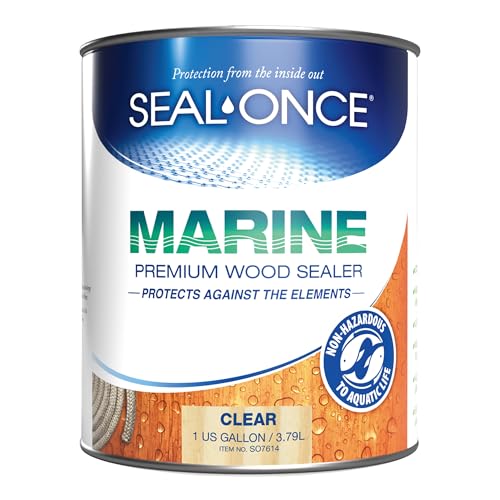
For surface wear, a gentle sandpaper can help smooth out rough edges and remove any paint scratches. After sanding, a coat of paint or sealant can refresh the appearance while providing additional protection against the elements.
Always finish with thorough cleaning using a mild soap solution to remove any residues from adhesives as well as dirt and grime. This simple procedure can extend the lifespan of your cherished pieces, keeping them looking great for years to come.
Repairing Damaged Rattan Seating
For loose strands, using super glue can reinforce weak areas. Apply a small amount to the base of the strand and hold it in place until it sets. Caution: avoid excessive glue, as it can harden awkwardly.
Reweaving Techniques
If entire sections are missing, consider reweaving with synthetic rattan or similar material. Cut the replacement strand about twice the length of the damaged area. Insert one end underneath the existing weave, pulling it through. Weave in an over-under pattern to create a tight fit. Secure the end at the back with adhesive for durability.
Freshening Up Surfaces
Use a soft brush and mild soapy water to clean the surface. Rinse thoroughly and allow to dry completely before applying a protective sealant. For stubborn stains, a mixture of vinegar and water works effectively. Once cleaned, consider reapplying a suitable outdoor sealant to enhance longevity.
Identify the Type of Damage on Your Wicker Furniture
Begin by examining the structure of your seating or tables to detect any missing strands. A careful inspection will reveal whether there are broken, frayed, or completely detached fibers. Look closely at the weaving pattern, as gaps can indicate significant wear.
Assessing Cracks and Splits
Check for cracks or splits in the framework. Feel for any irregularities suggesting instability. If the material feels rough or uneven, it may need reinforcement or replacement. Pay close attention to corners and joints, where stress is typically concentrated.
Surface Damage Analysis
Inspect the surface for discoloration or fading. Sun exposure can cause bleaching, while moisture may lead to mold or mildew. If your piece has developed an uneven texture, it might require cleaning or treatment to restore its original look.
Gather Necessary Tools and Materials for Repairs
I recommend collecting a few key items before beginning any repairs. Firstly, ensure you have a sturdy pair of scissors or a utility knife; these will be crucial for cutting any damaged strands. A selection of replacement materials, such as synthetic resin, natural fiber, or rattan, provides options tailored to your piece’s specific needs.
A strong adhesive is vital for reconnecting strands that may have come loose. Consider using a waterproof variant to ensure longevity, especially if the item is exposed to the elements. Additionally, a paintbrush or small applicator tool helps with precise application of the adhesive.
To tighten loose areas, a set of pliers will be helpful. They allow for a secure grip when reweaving or adjusting strands. Having a measuring tape or ruler is also practical for ensuring accuracy in your repairs.
Finally, protective gloves are essential to shield your hands from sharp edges or rough textures, ensuring a safe and comfortable repairing experience.
Repairing Loose or Detached Wicker Strands
Begin with identifying the loosened or detached strands, taking note of their location and condition. For minor detachments, reweaving can restore stability.
- Gather a suitable adhesive, preferably one designed for outdoor materials, ensuring it is waterproof.
- Remove any frayed edges from the loose strand, giving you a clean section to work with.
- Apply adhesive to the area where the strand connects, then press it back into place, ensuring it aligns with surrounding strands.
- For areas with multiple loose ends, weave the strands back into the grid pattern–this can be done with a small crochet hook or a pair of tweezers.
- Secure the newly positioned strands with temporary clamps or weights until the adhesive cures completely, following the manufacturer’s instructions on time.
In cases of significant separation, consider using a replacement strand cut to length from a remnant or during the repair process:
- Carefully measure the gap needing reinforcement to ensure the replacement fits snugly.
- Insert the new piece into the weave and apply adhesive to both ends that connect with existing strands.
- Reinforce the weave for durability, ensuring the complete section blends seamlessly with the original pattern.
After the repair, let the piece cure undisturbed for the recommended time, then ensure it is adequately supported when returning to use.
Replacing Broken Rattan Pieces
Identify the specific sections of the rattan that require replacement. Measure the dimensions of the damaged pieces for accurate replacements. Select a matching material, such as synthetic or natural rattan, to ensure uniformity in appearance.
Removing Damaged Segments
Carefully cut away the damaged strands using scissors or a utility knife. Be cautious not to damage adjacent areas. If the rattan is woven, note the weaving pattern for easier reassembly. Remove any existing adhesive residues to prepare for a clean installation.
Installing New Pieces
Begin by weaving the new rattan according to the established pattern. Use a sturdy adhesive designed for outdoor use to secure the new material in place. Ensure each segment is firmly attached and holds tension. Allow adequate time for the adhesive to cure before using the item again.
Finish the repair by applying a sealant if necessary, particularly if the piece will be exposed to weather. Regularly check the integrity of the repair to maintain longevity.
Re-Tightening Frames
Ensure a stable base by addressing any loose joints or connections in the structure. Use a Phillips screwdriver to tighten screws and a wrench for bolts. Regularly check for any movement and make adjustments as needed to maintain the integrity of the piece.
Types of Connections to Inspect
| Type of Connection | Maintenance Tip |
|---|---|
| Screws | Use the correct size screwdriver to avoid stripping. |
| Bolts | Check the tightness; apply a wrench for a snug fit. |
| Nails | Gently tap any protruding nails back into place. |
| Glue Joints | Reapply wood glue if joints appear loose, and clamp until it dries. |
Reinforce weak areas with additional brackets or braces where necessary. Invest in corner brackets that can be added to the underside of chairs and tables for extra stability. Always inspect under heavy-use items, as these areas can often show signs of strain.
Routine Checks
During regular maintenance, check for signs of wear or deterioration in joints. As the weather changes, materials can shift, and periodic tightening helps prolong the life of the structure. Set a reminder on your calendar every few months to conduct these assessments.
Refreshing the Finish: Cleaning and Re-staining Wicker
I begin by clearing dust and dirt from the surface. A soft brush or vacuum cleaner with a brush attachment works well for this purpose. Next, I mix warm water with mild soap and use a soft cloth to wipe down the pieces, ensuring not to soak them. This step not only removes grime but also prepares the surface for a fresh coat of stain.
After cleaning, I allow the items to dry completely in a shaded area, preventing direct sunlight from causing damage during the drying process. Once dry, I inspect for any areas that may need additional attention, such as peeling or uneven patches in the existing finish.
For the re-staining process, I select a high-quality outdoor stain suitable for rattan or synthetic materials. I use a paintbrush or a foam applicator to apply the stain evenly, starting with a thin layer. This allows me to control the color depth and prevents drips. After the first coat, I wait for the recommended drying time before assessing if another application is necessary.
I always finish with a clear protective sealant to enhance durability and resistance against weather conditions, applying it as per the manufacturer’s instructions. This final touch significantly improves the lifespan and appearance of my treasured pieces.
Protecting Wicker Furniture from Future Damage
Apply a UV protectant spray specifically designed for natural materials. This will reduce fading and cracking caused by sunlight exposure. Regularly reapply every few months for maximum protection.
Store pieces indoors during harsh weather conditions. If that’s not possible, cover them with breathable tarps. This approach prevents moisture buildup and protects against mold or mildew.
Maintenance Routine
Develop a cleaning schedule using a soft brush or damp cloth to remove dirt and debris. Avoid harsh chemicals that can degrade the finish. Use a gentle soap solution for deeper cleaning when necessary.
Seasonal Check-Up
Conduct seasonal inspections to identify any signs of wear or damage. Tighten screws and bolts as needed, and inspect for any loose strands or fraying. Address minor issues promptly to prevent escalation.
When to Consider Professional Repair Services
Consulting professionals is advisable when the damage exceeds basic repairs or involves intricate structures. For instance, if you encounter extensive cracking or warping that affects stability, it’s wise to seek help.
Signs It’s Time for Professional Assistance
- If multiple strands are severely damaged and replacement is complex.
- In cases where the frame appears unstable or is significantly bent.
- When you’re unsure about matching materials or finishes during restoration.
- If you lack the tools or skills needed for effective repairs.
Benefits of Hiring Experts
- Access to specialized tools and high-quality materials for lasting results.
- Expertise in reweaving or restoring antique items without compromising integrity.
- Time-saving; professionals can often complete repairs faster than DIY attempts.
Evaluating the extent of damage and your own capabilities will guide the decision. Weigh the cost of professional services against potential DIY complications to determine the best course of action.
Maintaining Natural Weave Pieces for Longevity
A weekly cleaning routine keeps dirt and grime at bay. Use a soft brush or vacuum with a brush attachment to remove debris. Follow up with a damp cloth to wipe surfaces, avoiding excessive moisture that can weaken materials.
Conditioning Materials
Applying a specialized conditioner regularly can preserve the natural fibers. Choose a product tailored for similar types of items, ensuring it rejuvenates while enhancing resistance to environmental factors.
Storage Best Practices
During off-seasons, store these pieces in a cool, dry place, ideally indoors or under a protective cover. This minimizes exposure to extreme temperatures and moisture, prolonging their lifespan.


