
 Caleb Turner

Ensure the surface is clean and dry before applying any treatment. Start with a thorough sanding using 120 to 220 grit sandpaper to eliminate any rough spots and old finishes. This process enhances adhesion and creates a smooth base for the protective layer.
Opt for a high-quality penetrating oil or sealant explicitly designed for external applications. These products penetrate deeply, providing long-lasting protection against moisture and UV damage. Apply using a brush or cloth, ensuring even coverage, and allow it to soak in before wiping off any excess.
For enhanced durability, consider multiple coats. Follow the manufacturer’s recommendations for drying times between layers. This not only improves resilience but also helps maintain the natural appearance of the material, preserving its visual appeal while ensuring robustness against the elements.
Lastly, periodically inspect and reapply the treatment as needed, usually once a year, depending on local weather conditions. Regular maintenance prolongs the life of your piece and ensures it remains an attractive addition to your outdoor space.
Preparing Your Surface
Always begin with sanding the surface meticulously. I prefer using 120-grit sandpaper followed by 220-grit for a smooth finish. This step removes any imperfections and opens the pores of the grain, allowing subsequent layers to penetrate properly.

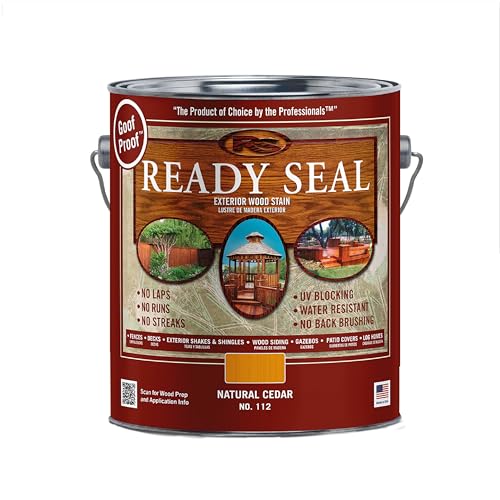
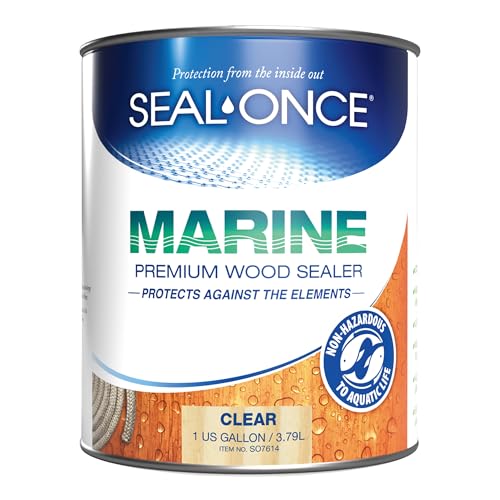
Choosing the Right Product
Selecting a high-quality oil or marine varnish is critical. I often opt for products that contain UV protection to shield against sun damage. Ensure it’s suitable for the type of material you’re working with.
Application Tips
- Apply a thin coat with a brush or cloth, following the grain direction.
- Allow ample drying time between layers, typically 24 hours, to ensure proper adherence.
- Lightly sand between applications with fine-grit paper to remove any roughness.
For maximum protection, consider applying at least three coats, ensuring the final layer is allowed to cure adequately before exposure to the elements.
Maintenance Strategy
Once completed, periodic reapplication of the protective layer is necessary, especially after harsh weather. I recommend checking every six months to assess wear and re-coat as needed. Regular cleaning with soapy water can also help maintain the integrity of the surface.
Choosing the Right Type of Wood for Outdoor Furniture
The best option for outdoor seating and tables is teak. Its high natural oil content makes it resistant to moisture, preventing warping and decay. For a more budget-friendly alternative, consider cedar. This type not only repels insects but also offers decent resistance to the elements.
Ipe Wood
Ipe, often referred to as Brazilian walnut, is incredibly dense and durable. Its natural resistance to rot and insects makes it a strong contender for any exterior project. Additionally, Ipe’s rich coloration can be a striking feature. However, keep in mind that it requires proper tools for cutting due to its hardness.
Redwood
This type is lightweight with a beautiful, warm hue. Redwood contains tannins that provide resistance against decay and insects. Though more susceptible to fading, employing a UV protective finish can help maintain its color. Regular maintenance will ensure its longevity.
When choosing your material, consider climate conditions and specific exposure to sun and rain. Certain varieties handle varying levels of environmental stress better than others. Test samples in your specific conditions if possible. Proper selection will lead to longer-lasting, aesthetically pleasing pieces in any setting.
Preparing the Surface Before Applying Treatment
Begin with thorough cleaning of the material to remove dust, dirt, and any contaminants. I prefer using a mixture of warm water and mild detergent for this task. After cleaning, I let it dry completely to ensure there’s no moisture before proceeding.
Sanding
Next, I choose the right grit sandpaper, starting with 120 grit to eliminate rough spots and imperfections. Afterwards, I switch to 220 grit for a finer finish. It’s essential to sand along the grain to avoid scratches. Pay special attention to edges and corners, as they often suffer wear.
Inspection
After sanding, I inspect the entire area carefully for any remaining imperfections. If I find any cracks or holes, I fill them with a suitable wood filler, ensuring it matches the shade of the piece. Once the filler dries, I sand the repaired areas smoothly to create a uniform surface.
Finally, I wipe down the entire piece with a damp cloth to remove all sanding dust. This step is crucial as it helps ensure proper adhesion of the subsequent treatments.
Selecting the Best Outdoor Finish: Oils vs. Sealants
Oils are a popular choice for protection. They penetrate deeply and enhance the natural beauty of the grain. When using oils, I recommend teak oil or cedar oil for optimal results, as they provide excellent moisture resistance and UV protection. Reapplication is necessary every few months to maintain their appearance and efficacy.
Advantages of Oils
- Deep penetration that nourishes and protects the fibers.
- Natural look, elevating the aesthetics of the surface.
- Easy to apply and touch up, allowing for simple maintenance.
Sealants: The Durable Alternative
Sealants offer a robust protective layer. Polyurethane or marine-grade sealants are ideal for maximum durability. They form a hard film on the surface, shielding against moisture and the elements effectively. A single application can last for years, although they occasionally require sanding for reapplication.
- Strong protective barrier against water and UV rays.
- Long-lasting: less frequent maintenance needed.
- Variety of finishes – from matte to glossy.
Both options have unique benefits that cater to different needs. If you prefer an authentic look and are willing to invest time in maintenance, oils may suit you. If long-lasting protection with minimal upkeep is your goal, sealants are a better fit.
Step-by-Step Application of Outdoor Finishes
Begin by ensuring the selected coating materials are compatible with the type of timber being addressed. It’s essential to perform a patch test on a small area to verify adherence and appearance.
1. Apply the First Coat
Using a high-quality brush or roller, generously apply the chosen protective product. Work in straight lines, covering all areas evenly, and avoid over-saturating any section. Allow this first application to dry according to the manufacturer’s guidelines.
2. Sand Between Coats
Once the initial layer is dry, lightly sand the surface with fine-grit sandpaper to promote adhesion for subsequent applications. Remove dust thoroughly with a clean, damp cloth, ensuring a smooth finish before proceeding.
Repeat the application process, adding a second coat following the initial drying time. Each layer builds protection, enhancing durability against elements. Typically, two to three coats provide optimal resilience.
Final touches require a thorough cure time post-application. Refer to product specifications for exact durations. Proper curing significantly influences the longevity of the protective barrier.
Maintaining and Refreshing Outdoor Furniture Finishes
Regular inspections are necessary to assess the state of protective coatings. Check for signs of wear, such as discoloration or peeling. If the surface appears faded, it often indicates a need for rejuvenation. Prioritize cleaning the area using a mild soap and water solution to remove dirt, grime, and mildew.
Reapplication Techniques
For oiled surfaces, I use a clean rag to apply a fresh coat, ensuring coverage of all corners and edges. Follow the manufacturer’s guidelines for recommended drying times. In cases where sealants have begun to break down, consider lightly sanding the surface before reapplying to enhance adhesion. I typically use fine-grit sandpaper to avoid damaging the wood.
Seasonal Care Tips
In the fall and spring, I adjust my maintenance routine. After winter, I inspect for cracks or splits created by temperature fluctuations. Promptly address any repairs needed before applying new coatings. During the rainy season, I emphasize protective measures by storing items in a dry place whenever possible to extend their lifespan.
Common Mistakes to Avoid When Finishing Outdoor Wood
Avoid applying a finish directly onto unprepared surfaces. Properly sanding and cleaning is critical. This step ensures adhesion of the protective layer, and skipping it can lead to peeling and flaking later.
Using a one-coat application is another common error. Always apply multiple layers for robust protection. Each coat enhances durability and weather resistance, especially when applying sealants or oils.
Ignoring the manufacturer’s instructions can severely compromise results. Each product has specific requirements regarding application and drying times. Following these guidelines ensures optimal performance of the chosen protectant.
Overlooking environmental conditions during application is a mistake I made early on. Temperature and humidity can affect the adherence and drying of the materials. Aim for a dry, temperate day to maximize effectiveness.
Choosing the wrong type of coating is a frequent pitfall. Different products serve various purposes; for example, oils penetrate better but may require more frequent reapplication, while sealants offer longevity but may alter the appearance. Base your choice on your specific needs.
Neglecting maintenance is a significant mistake after the initial application. Periodically checking for signs of wear and promptly addressing them can prevent extensive damage and prolong the life of your project.
Lastly, disregarding local climate conditions can lead to premature deterioration. If you live in an area with high moisture or extreme sunlight, select a finish designed to withstand those challenges. This knowledge will enhance your investment and ensure its longevity.
| Mistake | Consequences | Solution |
|---|---|---|
| No surface preparation | Peeled finish | Sand and clean properly |
| One-coat application | Inadequate protection | Apply multiple layers |
| Ignoring instructions | Poor durability | Follow product guidelines |
| Wrong environmental conditions | Failed adhesion | Choose appropriate weather |
| Inappropriate coating selection | Poor performance | Understand product types |
| Neglecting maintenance | Shortened lifespan | Regular inspections |
| Disregarding climate | Early deterioration | Choose climate-friendly options |


