
 Caleb Turner
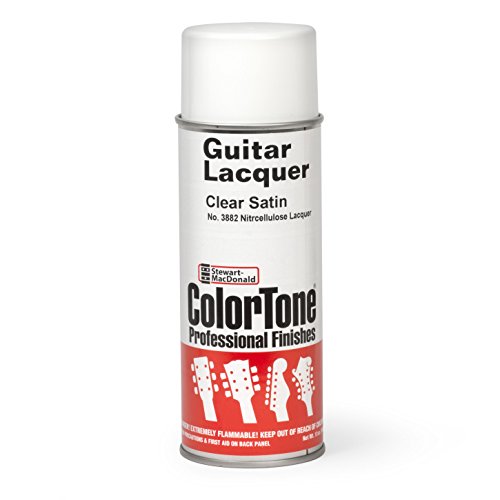
Begin by preparing your surfaces meticulously. Sanding is critical; I recommend using a fine-grit sandpaper to achieve a smooth canvas. Pay attention to the edges and corners, as these areas are prone to imperfections. After sanding, ensure that all dust is removed with a cloth or vacuum. This step significantly enhances adhesion during the coating process.
Choose a suitable sealant that meets your project’s requirements. A clear coating offers transparency, allowing the natural beauty of the grain to shine through. Ensure that the environment is well-ventilated before you start. I usually recommend applying in a garage or outside on a calm day to avoid dust particles settling on the surface.
For application, I prefer using a high-quality brush rather than a spray can. This allows for better control and minimizes waste. Pour a small amount of the substance into a clean container, and dip the brush evenly, removing excess. Apply in long, even strokes, following the grain direction. I find taking my time during this process yields the best results, as rushing can lead to unwanted drips and streaks.


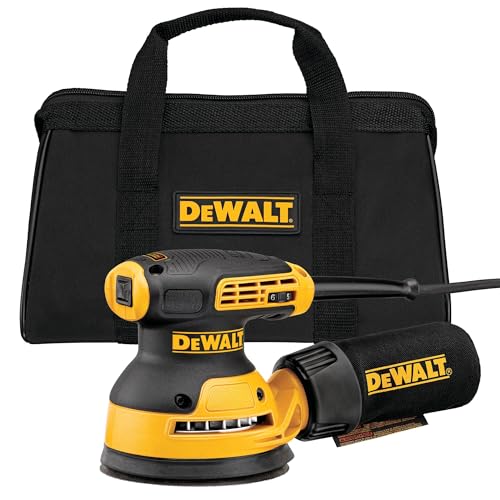
After the first coat dries, sand lightly again with ultra-fine sandpaper. This will eliminate any raised grain and imperfections that might have appeared. Wipe the surface clean and apply a second coat following the same technique. I typically recommend a minimum of three coats for lasting durability.
Once the final layer is on, let it cure for several days to achieve maximum hardness. The wait is crucial; rushing this step can compromise the longevity of your project. When fully cured, you’ll notice the sheen and protection your creation now has, enhancing its beauty and ensuring it lasts for years to come.
Applying Clear Coats for Protection
Before starting, ensure the surface is completely clean and free from dust. I often use a damp cloth to wipe down the entire area, followed by a dry cloth to eliminate any moisture. This step prepares the surface, allowing the subsequent layer to adhere well.
Choosing the Right Type
Opt for a high-quality spray or brush-on clear coating for optimal results. I prefer nitrocellulose or water-based options due to their ease of application and quick drying times. Carefully read product specifications to confirm compatibility with the underlying stain or finish.
Application Technique
For application, I typically use a fine-grit sandpaper (around 220 grit) to lightly scuff the surface between coats. This promotes better adhesion. For spraying, maintain a consistent distance of about 12 inches from the surface. Multiple thin layers are preferable, as they reduce the chance of drips and provide a smoother final outcome. Allow each layer to dry completely before adding another, usually around 30 to 60 minutes.
Choosing the Right Lacquer for Your Project
Opt for a polyurethane-based finish if durability and abrasion resistance are high on your priority list. This type offers excellent protection against scratches and moisture, making it perfect for frequently used items.
If a natural appearance is desired, consider using an alkyd-resin blend. It provides a soft, warm glow, enhancing the character of the grain while ensuring consistent application.
Acrylic lacquer is an excellent choice for projects requiring quick drying times and low odor. It dries faster than other finishes, allowing multiple coats in a single day and facilitating faster project completion.
For outdoor applications, select an exterior-grade lacquer designed to withstand UV rays and weather conditions. These formulations often include additives that help resist fading and deterioration over time.
Evaluate the sheen levels–matte, satin, semi-gloss, or gloss–according to your aesthetic preference. A higher sheen reflects more light, while a matte finish can conceal imperfections.
Before choosing a product, check the manufacturer’s recommendations regarding compatibility with the type of stain or primer used in your project. Some finishes require a specific base to ensure proper adhesion and longevity.
Lastly, review the drying and curing times listed on the label. Being aware of these timelines aids in planning your workflow effectively.
Preparing the Surface for Lacquer Application
For optimal results, ensure the surface is clean and smooth. Begin by thoroughly cleaning the item with a damp cloth to remove dust and debris. Allow it to dry completely before proceeding.
Sanding Techniques
Use a fine-grit sandpaper, typically 220-grit, for initial sanding. Sand along the grain to avoid scratching the surface. Pay attention to any imperfections such as dents or scratches–use a wood filler if necessary, and sand it down once dried to create a uniform surface.
Final Preparation
After sanding, wipe the surface again using a tack cloth to eliminate any remaining dust particles. This step is critical; leftover dust can compromise adhesion and result in a rough finish. Ensure the environment is well-ventilated, as this aids in the drying process and minimizes dust settlement.
Applying the First Coat of Lacquer Evenly
To achieve a smooth application of the initial layer, I ensure the environment is free from dust and debris. A clean workspace is paramount for a flawless finish. I gather my materials: high-quality lacquer, a suitable applicator such as a brush or spray gun, and a clean cloth for any required touch-ups.
Choosing the Right Applicator
The type of applicator I choose significantly impacts how the coating adheres. For larger surfaces, I opt for a spray gun, which allows for an even distribution across the area. If I’m working on smaller details, a brush can provide precision, but I select one with synthetic bristles to minimize streaks.
Application Technique
When I begin applying, I start from one edge and move steadily across the surface, using long, even strokes or sweeping motions while maintaining a consistent distance from the material. I avoid excessive overlapping as it can cause unsightly marks. It’s crucial to keep the applicator loaded without over-saturating it; this helps prevent drips and runs.
| Tip | Explanation |
|---|---|
| Maintain a Wet Edge | This prevents visible lines and streaks from forming, creating a seamless appearance. |
| Thin Coats | Applying multiple thin layers yields better results than one thick coat, promoting proper drying and bonding. |
| Avoid Windy Conditions | External conditions can lead to uneven settling of the finish, affecting the coat’s uniformity. |
Once the first layer is applied, I leave the surface undisturbed to dry completely as per the manufacturer’s guidelines. After drying, I inspect the finish under good lighting to identify any areas needing touch-up, ensuring an impeccable foundation for the subsequent layers.
Techniques for Sanding Between Coats of Finish
For optimal results, I recommend using a sanding block or orbital sander for uniform pressure across the surface. Start with a fine grit sandpaper, such as 320 or 400 grit, to lightly smooth the surface after each application. This practice ensures a smooth finish while avoiding deep scratches that can show through subsequent layers.
Step-by-Step Process
- Allow the previous layer to cure fully before sanding–typically 2 to 4 hours, depending on environmental conditions.
- Use a clean, dry cloth to remove any dust from the surface after sanding.
- Feel for imperfections with your hand; if the surface is smooth, proceed to the next coat.
Avoiding Common Pitfalls
- Do not sand too aggressively. The goal is to create a fine texture for adhesion, not to remove the underlying layer.
- Ensure the sandpaper is not worn out; replace it regularly to maintain effectiveness.
- Keep the area well-ventilated to minimize dust accumulation on the surface.
This approach leads to a high-quality result, enhancing both the appearance and durability of the final product.
Proper Drying Times Between Lacquer Applications
The key to achieving a flawless finish lies in adhering to the recommended drying times. To maximize adhesion and minimize flaws, I allow specific intervals between applications of the coating.
Standard Drying Times
- For conventional nitrocellulose lacquer, a drying time of 30 minutes to 1 hour is typical.
- For water-based formulas, aim for 1 to 2 hours before applying another layer.
- Sprayed finishes may dry faster; however, I still advise waiting a minimum of 30 minutes regardless of the method.
Environmental Factors
Temperature and humidity significantly affect drying times. In humid conditions, I extend the wait to 2 hours to ensure each coat cures properly. Conversely, within a climate-controlled environment, I may proceed earlier. Here’s a quick reference:
- Warm, dry conditions: 30 to 60 minutes.
- Cool or humid environments: 1 to 2 hours.
Patience is paramount. I avoid rushing the process, as inadequate drying can lead to a soft finish that’s prone to damage. By following these guidelines, my efforts result in a more durable and visually appealing outcome.
Final Touches and Maintenance of Lacquered Pieces
To enhance the sheen and depth of the surface, I recommend buffing the final coat using a soft cloth or a microfiber towel. This step not only adds luster but also helps in removing any fine dust particles that may have settled during the drying period.
Regular maintenance includes cleaning with a damp cloth. Mix a mild soap solution if necessary, but avoid harsh chemicals that could mar the finish. For added protection, apply a specialized wax or polish designed for lacquered surfaces every few months.
Inspection and Repair Tips
Periodically inspect for scratches or chips. If such imperfections occur, sanding the affected area lightly with fine-grit sandpaper followed by an application of touch-up lacquer can restore the original appearance. Always feather the edges to blend seamlessly with the surrounding finish.
Storage and Placement Advice
Keep items away from direct sunlight and extreme temperatures to prevent discoloration or damage. Using coasters or placemats can protect against heat and moisture, extending the life of the surface significantly.


