Caleb Turner

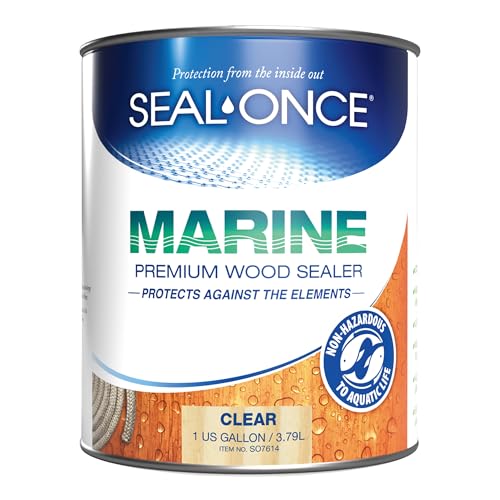
Applying a protective layer directly on raw timber can significantly enrich its aesthetic appeal while ensuring longevity. Begin by selecting a high-quality, clear wood sealer or penetrating oil. These products penetrate the surface, showcasing the natural patterns and grain of the wood while providing resistance against moisture and degradation.
Before the application, it’s crucial to prepare the surface adequately. Sand the pieces using fine-grit sandpaper to create a smooth texture and remove any impurities. A clean, dust-free surface ensures optimal bonding with the chosen product, which can lead to a more effective seal. Always wipe down the wood with a damp cloth post-sanding to remove any residual dust particles.
When applying the protective agent, use a brush or a clean cloth to evenly distribute the product, working it into the wood in the direction of the grain. Multiple thin coats produce a better finish than a single thick application. Allow ample drying time between layers as specified by the manufacturer to achieve a durable and attractive outcome.


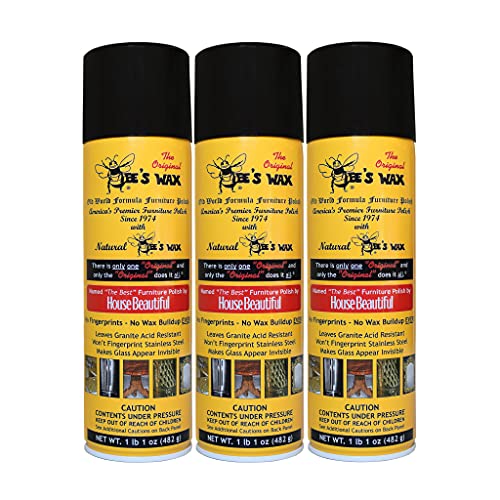
Finally, consider applying a final coat of wax or a specialized topcoat for additional protection, especially for pieces that will be exposed to regular use or varying temperatures. Regular maintenance, such as reapplication every few years, will preserve the integrity and allure of rustic wooden creations.
Tips for Treating Wooden Creations
Prioritize the application of high-quality sealants or stains specifically designed for wooden items. These products not only enhance the aesthetics but also significantly increase durability against moisture and UV rays. Make a test patch to ensure compatibility before full application.
Application Techniques
Utilize a natural bristle brush or a spray applicator for even distribution. Start at one end and work towards the other, maintaining a wet edge to avoid overlaps and streaks. Thin coats yield better results, so apply multiple layers rather than one heavy coat, allowing each to cure fully before the next.
Maintenance Strategies
Regularly inspect for any signs of wear or damage. Clean with a mild soap solution and a soft cloth to preserve surfaces. Reapply stain or sealer every couple of years to maintain a protective layer, ensuring longevity and beauty of your crafted pieces.
Choosing the Right Finish for Log Furniture
For optimal protection and aesthetics, I recommend using a high-quality penetrating oil or a semi-gloss polyurethane. These options enhance the natural beauty of the wood while providing durability.
Consider the Environment
Select a product that is suitable for indoor or outdoor use. If the piece will be exposed to moisture or UV rays, an outdoor-rated semi-transparent stain or a marine-grade finish is advisable to prevent damage.
Evaluate Your Desired Look
Assess the overall appearance you wish to achieve. Oils will often preserve the natural color of the wood, while stains can alter its hue significantly. Testing samples on a hidden area can guide you to the right choice.
Regular maintenance, such as reapplication every few years, ensures the longevity of your selected coating, keeping your pieces looking fresh and enhancing their lifespan.
Preparing Log Surfaces for Finishing
Before applying any coating to the wooden structures, thorough preparation of the surfaces is critical. Sanding is the first step; I use medium-grit sandpaper (120-150 grit) to smooth out rough patches. This process helps in achieving a better bond with the coating and enhances the final appearance.
Steps for Surface Preparation
- Inspect each piece for dirt, moisture, or damage. Clean with a damp cloth to remove debris.
- Sand the entire surface, paying special attention to knots and imperfections.
- Use a vacuum or tack cloth to eliminate dust created during sanding.
- If the wood has previous finishes, I strip those layers carefully to ensure proper adhesion of new coatings.
- I recommend checking moisture levels with a moisture meter; ideally, it should be below 14% for optimal application.
For areas with wood grain patterns or grooves, I utilize a sanding sponge or a flexible sanding block. This technique helps maintain an even surface across all profiles.
Final Touches
- Mask off any areas that shouldn’t receive the coating.
- I sometimes apply a wood conditioner to ensure an even application, particularly for softer woods.
- Conduct a final inspection to confirm that all surfaces are clean and dust-free before proceeding with coating application.
Accurate preparation guarantees a flawless look and extends the life of the applied materials, enhancing the natural beauty of the aforementioned items.
Applying Stains for a Desired Look
Choose a stain that aligns with the aesthetic you want to achieve. Oil-based stains penetrate deeply and enhance the grain, offering a rich finish. Water-based stains dry quickly and provide a more uniform appearance but may require more applications for desired depth.
Before applying, test the stain on a scrap piece of wood or an inconspicuous area. This helps in visualizing the final effect and adjusts your approach based on the wood species.
Apply the stain using a brush or a clean cloth. I prefer using a cloth for better control and less mess. Work in sections to ensure even coverage, wiping off excess within 5 to 15 minutes, depending on the desired intensity. More time means darker tones.
For a more textured finish, consider layering stains. Allow the first application to dry completely before adding another color. This will create a beautiful depth and complexity in the appearance.
Once satisfied with the coloration, seal the surface with a protective clear coat. This will enhance the stain’s richness while adding durability. I often choose between matte and glossy finishes, depending on the look I want. Each option brings out different qualities of the stained surface.
Sealing Timber Creations to Protect Against Moisture
I recommend using a high-quality, water-repellent sealant designed for wood surfaces. Ensure the material is specifically formulated to prevent water penetration while allowing the wood to breathe. This will help in maintaining the integrity of the structure over time.
Types of Sealants
Here are common options for protecting your timber items:
| Sealant Type | Benefits | Drawbacks |
|---|---|---|
| Polyurethane | Highly durable, clear finish, resists abrasion | Can yellow over time, requires multiple coats |
| Linseed Oil | Natural appearance, penetrates deeply | Long drying time, may need frequent reapplication |
| Acrylic Sealers | Fast-drying, UV resistant, flexible | May require more maintenance, less durable |
| Epoxy Coatings | High water resistance, thick protective layer | Can be difficult to work with, long curing time |
Application Process
Before applying the sealant, ensure the surface is clean and dry. Use fine-grit sandpaper to smooth rough areas, which helps the sealant adhere better. Apply the chosen product with a brush or roller, following the grain of the wood.
I usually recommend applying at least two coats for optimum protection, allowing adequate drying time between applications. This not only enhances the durability of the surface but also promotes a more polished appearance.
Techniques for Achieving a Smooth Finish
I recommend using a series of sandpaper grits for optimal results. Begin with a coarse grit, around 80 or 120, to remove any rough spots and imperfections. Gradually progress to finer grades, concluding with 220 grit or higher. This method helps in creating a silky texture that enhances the appearance of the wood.
Before applying any coating, ensure the surface is free from dust. Use a vacuum or a tack cloth to eliminate particles. If necessary, wipe the surface with a damp cloth and allow it to dry thoroughly.
Utilizing a sanding block or an orbital sander can improve control and consistency during the sanding process. Circular motions work best for even abrasion, especially on rounded edges.
After sanding, I suggest treating the surface with a pre-stain conditioner. This product helps maintain an even color and prevents blotchiness when adding pigments later.
For an impressive sheen, consider using a polyurethane or lacquering product. Applying a thin layer with a high-quality brush or foam applicator will prevent streaks and drips. Allow each coat to dry completely before lightly sanding again with fine grit to ensure adherence of subsequent layers.
Finally, buff the surface with a soft cloth after the final coat is applied and dried. This step enhances the smoothness and gives an appealing finish, making the wood feel as good as it looks.
Choosing Between Oil-Based and Water-Based Finishes
I recommend considering oil-based products for their deep penetration and durability. These options provide a rich, warm glow and enhance the natural grain, offering long-lasting protection against moisture and wear. They dry slowly, allowing for easier application and manipulation. However, ventilation is crucial due to potent fumes during application.
On the other hand, water-based alternatives are excellent for those seeking a quick-drying solution. They clean up easily with soap and water, making them user-friendly. The finish dries clear, maintaining the original color of the wood, but may require more frequent reapplication compared to oil-based choices. It’s important to note that water-based finishes might raise the grain of the wood, necessitating additional sanding.
Testing both types on scrap pieces can help in making an informed decision. Each formulation affects the final appearance, feel, and durability. Assessing the intended use and environmental exposure of your pieces will guide you towards the most suitable option.
Maintaining the Finish Over Time
Regular inspections are key. I check for signs of wear, discoloration, or damage at least twice a year. Noticing a problem early can prevent more significant issues later.
Cleaning the surfaces with a mild soap solution keeps them looking fresh. I use a soft cloth to avoid scratches and ensure no moisture remains. It’s crucial to avoid harsh chemicals, as they can strip protective layers.
When I detect fading or dullness, applying a rejuvenating product designed for the chosen protective coat restores the original look. This is particularly effective for oil or water-based coats, as they often require periodic reapplication to maintain their appearance and protective qualities.
I always pay special attention to high-traffic areas and spots exposed to sunlight. These sections may need extra care or more frequent touch-ups compared to less used parts.
If I notice significant damage, I sand the affected area lightly and reapply the protective layer. This ensures that the integrity of the surface is maintained and enhances durability.
Lastly, I make it a habit to follow the manufacturer’s guidelines for specific maintenance routines. Sticking to the recommended care plan maximizes the longevity of the applied products.
Common Mistakes to Avoid When Finishing Log Furniture
Avoid rushing the application process. Each layer needs adequate time to dry, as skipping this step can lead to uneven surfaces and compromised durability.
- Neglecting surface preparation is a major error. Ensure all dust, dirt, and old finishes are thoroughly removed to promote adhesion.
- Using inappropriate materials or techniques can result in subpar outcomes. Invest time in selecting the right tools for application.
- Over-saturating the wood can lead to an undesirable appearance. Apply substances in thin, even coats to maintain a clean look.
Overlooking the test area is another common oversight. Always test products on a small, inconspicuous spot to gauge the final result.
- Failing to account for environmental factors, such as humidity and temperature, can negatively impact curing times and finish quality.
- Skip the sealer at your peril; it’s vital for moisture protection. Ensure this step is not overlooked.
- Ignoring maintenance recommendations can decrease longevity. Regular care is imperative for ongoing protection.
Using incompatible products leads to adhesion failure. Research compatibility between stains, finishes, and cleaning agents to avoid this pitfall.
Inadequate ventilation during the process can pose health risks and affect the drying process. Ensure good airflow is present while working.
FAQ:
What types of finishes are best for log furniture?
Log furniture requires finishes that protect the wood while enhancing its natural beauty. Oil finishes, such as tung oil or Danish oil, penetrate the wood and provide a warm, rich appearance. Varnishes and polyurethane offer a harder finish, ideal for items that will experience heavy use. Water-based finishes are easier to clean up and have lower odor but may require more frequent reapplication. Choosing between these options depends on your preference for aesthetics and durability.
How can I prepare log furniture for finishing?
Preparing log furniture for finishing involves several key steps. First, ensure the wood is clean and free from dust or debris. Sand the surfaces using a fine-grit sandpaper to create a smooth texture and to open up the wood’s pores for better absorption of the finish. If the logs are rough or have bark still attached, remove the bark or sand it down to ensure an even application. Finally, wipe down the furniture with a damp cloth to remove any dust particles before applying the finish.
What is the best way to apply a finish to log furniture?
Applying a finish to log furniture can be accomplished using several methods. A brush or roller can allow for even coverage, especially in larger areas. For intricate details or smaller sections, a cloth or sponge can help ensure the finish reaches every nook and cranny. It’s best to apply the finish in thin layers, allowing each coat to dry fully before adding another. Always follow the manufacturer’s recommendations for drying times and the number of coats needed for optimal protection and appearance.
How often should I reapply the finish on my log furniture?
The frequency of reapplication depends on the type of finish used and the conditions the furniture is exposed to. Generally, oil finishes may need to be reapplied every 1-2 years, while varnishes can last 3-5 years under normal usage. Regular inspection is recommended; if the finish appears dull or if water does not bead up on the surface, it is likely time for a new coat. Factors like exposure to sunlight and moisture can significantly impact how often a finish needs to be renewed.