
 Caleb Turner
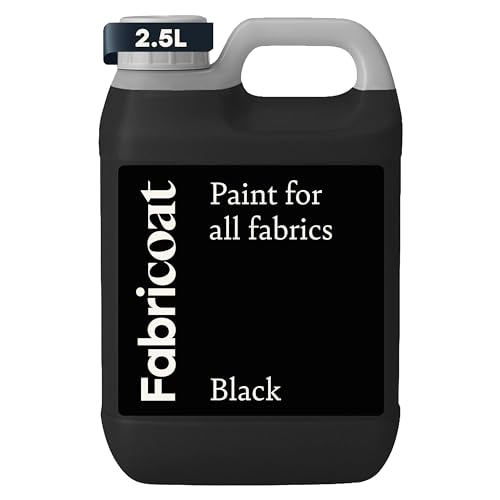
For an instant makeover, I recommend using a specialized fabric colorant designed for delicate textiles. This approach not only refreshes your item’s appearance but also ensures that the texture remains soft. Begin by cleaning the surface thoroughly to remove any dirt and oils that might prevent the color from adhering properly.
Create a space that allows for thorough ventilation, ideally outdoors or in a well-ventilated room. Lay down a drop cloth to protect the surrounding area from any potential spills. Prepare the dye according to the instructions, paying close attention to the quantity needed for complete coverage. It’s advisable to mix more than you think you will need, as the absorption might vary based on the material’s density.
Utilize a spray bottle or a sponge applicator for the application process, ensuring an even distribution of the colorant. I prefer using a spray bottle for larger sections, as it allows for better control and less mess. A gentle blotting technique can help avoid pooling, which can create uneven patches. Once the application is complete, allow sufficient drying time for the shade to fully set and enhance the overall effect.
After drying, remember to finish with a reliable fabric conditioner to restore softness and preserve the look. Regular maintenance will help keep your restored items looking fresh and appealing long-term. Following these practical steps will help you achieve a stunning transformation for your beloved upholstered pieces.
Updating Textile Pieces
For a successful transformation of your fabric pieces, I recommend using spray fabric paint specifically designed for upholstery. This option allows for a more uniform application and prevents the risk of water damage from traditional dyeing methods.


Preparation Steps
First, clean the surface thoroughly using a vacuum cleaner followed by a damp cloth to remove any residue. Ensure the area is dry before starting the painting process. Collect drop cloths to protect surrounding areas, as the spray can easily overshoot.
Application Process
Hold the spray can about 6-12 inches away from the surface and apply in light, even strokes. Multiple thin coats will yield better results than one heavy coat. Allow each layer to dry completely before applying the next. This method maintains the fabric’s texture while offering enhanced color saturation.
After completing the painting, let the upholstery cure for at least 24 hours. Avoid using any harsh chemicals during cleaning in the following weeks to ensure the longevity of the new hue.
Choosing the Right Fabric Dye for Velvet
I recommend selecting a dye specifically formulated for upholstery and synthetic materials, as these provide better adhesion and durability. Look for options labeled for “synthetic fibers” or “polyester blends” to achieve optimal results.
- Color Type: Consider whether you want a solid or custom shade. Mixing colors can yield unique results, but always conduct a test on a small area first.
- Application Method: Choose between liquid dyes for immersion or spray dyes for targeted application. Immersion often results in an even finish, while spray allows for more control.
- Brand Reputation: Research brands with positive reviews and proven effectiveness on similar materials. Trusted names typically offer consistent quality.
- Environmental Considerations: Opt for non-toxic, eco-friendly dyes if possible. These options are safer for both you and the environment.
Always read product instructions carefully to understand the preparation, application, and setting processes. Preparing the fabric properly before application ensures better absorption and a more vibrant finish.
- Ensure the surface is clean and free of stains.
- Use a suitable pre-treatment if necessary.
- Follow setting times as recommended to lock in color.
Final results can vary based on fabric texture and initial hue, so the careful selection of dyes contributes greatly to the desired transformation.
Preparing Plush Upholstery for Color Transformation
Remove all cushions, pillows, and any detachable parts to ensure a thorough application of coloration. This allows for better access to all areas and prevents splotches or uneven coverage.
Thoroughly clean the surface with a vacuum equipped with an upholstery attachment. This step eliminates dust and debris that could interfere with adherence and the final look.
Test a small, inconspicuous section to check the fabric’s reaction to the chosen product. This helps gauge how well the material absorbs the product without risking visible damage.
Ensure the area is well-ventilated. Open windows and doors to promote airflow, making the environment safer and minimizing strong odors during the process.
Protect surrounding areas with drop cloths or old newspapers to prevent accidental staining on floors or nearby objects. Take care to create a clean workspace.
Gather all necessary tools and materials: gloves, brushes, spray bottles, and the selected pigment. Having everything on hand speeds up the process and reduces the chances of mishaps.
Testing Dye on a Small Inconspicuous Area
I recommend selecting a hidden part of the piece, such as the underside or inside seam, for initial application. This method allows me to observe how the material reacts without affecting the visible surfaces. Using a cotton swab or small brush, I apply a small amount of the chosen color and allow it to set for the time specified in the dye instructions.
After letting it dry completely, I assess the texture and hue. Observing any changes in the fabric’s feel or color intensity is crucial, as some materials may react unpredictably. If satisfied with the results, I can confidently proceed to treat the main areas.
If the initial test reveals issues like fading or uneven color, I can adjust my approach–perhaps considering different products or preparing the surface differently. Understanding the characteristics of the fabric ensures a successful outcome without jeopardizing the overall appearance.
Step-by-Step Guide to Transforming Your Plush Upholstery
Thoroughly clean the fabric using a gentle vacuum or a brush to eliminate dust and debris. Make certain the surface is completely dry before proceeding with the color application.
Necessary Materials
- Fabric paint suitable for upholstery
- Brushes and sponges for application
- Protective gloves and mask
- Plastic sheeting or drop cloths to cover surrounding areas
- Water for mixing, if applicable
Application Process
- Prepare the chosen hue according to the manufacturer’s guidelines, mixing thoroughly to ensure consistent color.
- Using a brush or sponge, apply the coloring in small sections, working with the fabric’s nap to avoid uneven results.
- Ensure even coverage, applying multiple thin layers if necessary, allowing each layer to dry fully before adding more.
- Pay attention to furniture crevices and seams, using a smaller brush for these hard-to-reach areas.
- After achieving the desired tone, let the piece dry completely for at least 24 hours.
Finally, check for any missed spots and address them promptly. By following these steps methodically, the revitalization of your plush upholstery should yield impressive results.
Setting the Dye: Techniques and Tips
For successful absorption, a pre-treatment with a fabric fixative may enhance the color retention in the fibers. I apply this after preparation and before the application of color. This step significantly increases the longevity and intensity of the shade.
Maintaining the correct temperature while applying the color is critical. I use warm water for the mixture, as it allows the pigments to saturate more effectively. It’s crucial not to exceed the recommended temperature, as overheating can damage the structure of the material.
Even Color Application
To ensure uniform results, I often utilize a spray bottle to mist the solution evenly across the surface. This technique prevents puddling and helps achieve consistent saturation. A soft brush can be beneficial to work the solution into the fabric gently.
Post-Application Care
After applying the color, I allow sufficient drying time before using the item again. Gentle heat, such as from a fan or low setting on an iron, facilitates the drying process. Once dry, I lightly brush the fabric to restore its original texture.
Post-Dyeing Care for Velvet Upholstery
To maintain the quality and appearance of newly treated fabric, I recommend gentle cleaning techniques. Use a soft brush to remove dust and debris periodically. Avoid harsh chemicals that could affect the coloration. Instead, opt for a solution of mild soap and water.
For deeper cleaning, test the solution on a concealed spot first to ensure no adverse reaction occurs. Blot spills immediately with a clean cloth, avoiding rubbing, which could damage the material.
| Care Tips | Recommendations |
|---|---|
| Dusting | Use a soft brush or lint roller weekly. |
| Spill Management | Blot with a clean, dry cloth; do not rub. |
| Deep Cleaning | Use a mild soap and water solution; test first. |
| Fading Prevention | Avoid direct sunlight; consider window treatments. |
| Steam Cleaning | Adopt a low-temperature setting for refreshing. |
Frequent rotation of cushions will distribute wear evenly. I suggest being cautious with furniture placement to minimize exposure to potential stains or damage. These steps will ensure longevity and enhance the beauty of your refreshed piece.
Common Mistakes to Avoid When Dyeing Velvet
One major oversight is skipping the preparation phase. Properly cleaning the upholstery is crucial. Any dust or debris can lead to uneven absorption of color.
Another frequent error is choosing the wrong coloring product. It’s vital to select a type specifically designed for this type of fabric, as other options may not provide the desired results.
Avoid using too much liquid during the application. Over-saturation can lead to drips and streaks, creating an uneven finish that could be challenging to correct.
Failing to test a small area is a common mistake. This step serves as a vital indicator of how the fabric will respond. Skipping this can lead to unpleasant surprises on the main section.
Not setting the color properly is another pitfall. Ignoring heat-setting techniques can result in fading over time, negating your efforts.
Sometimes, impatience during the drying process leads to unintended marks. It’s essential to let the material dry completely before using it again.
Lastly, neglecting post-treatment care can impact the longevity of the new hue. Employ gentle cleaning methods and protective sprays designed for this specific type of fabric.


