
 Caleb Turner

Begin your project by gathering the necessary materials: a soft brush, a clean cloth, a light stain product, and water. This technique enhances the grain while providing a subtle hue to the wood, resulting in a refreshed appearance that retains its natural charm.
First, ensure the surface is clean and free of dust. Lightly sand the area with fine-grit sandpaper to promote adhesion. After sanding, wipe off any debris using a damp cloth to prepare for application. Allow the wood to dry completely before proceeding.
Mix the stain with water according to the manufacturer’s instructions, aiming for a lighter consistency. Use a soft brush to apply the mixture evenly across the surface. Work in small sections to control the application better and avoid streaks. After a few minutes, wipe off excess with a clean cloth, revealing a beautiful, subtle finish.
Finally, let it cure according to product guidelines before subjecting it to heavy use. This method revitalizes and enhances the beauty of your wooden items, creating a pleasing aesthetic that complements any interior.
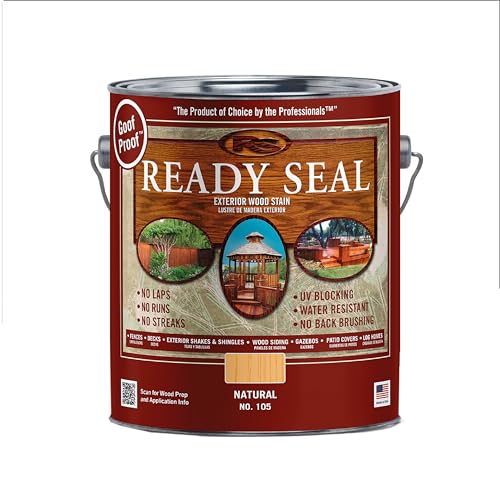


Choosing the Right Type of Paint for a Tan Wash
For achieving a soft, muted finish, acrylic-based paint works best. It dries quickly, allowing for easier layering and blending, which is beneficial when mixing shades to achieve that desired soft effect. Use a high-quality acrylic paint with a satin or eggshell sheen to enhance durability while maintaining a subtle gloss.
Alternatively, consider using chalk paint. This type of paint offers a matte finish and adheres well to various surfaces without extensive prep work. It’s perfect for achieving a rustic or distressed look and can be easily sanded or waxed for added texture.
Oil-based options can be more challenging due to their longer drying times and odor, but they provide a stunning, high-gloss finish. This is ideal if you want a more polished appearance. Ensure proper ventilation while working with oil-based paint and allow adequate curing time.
| Paint Type | Finish | Best Uses |
|---|---|---|
| Acrylic Paint | Satin/Eggshell | Multi-surface applications, quick drying |
| Chalk Paint | Matte | Rustic styles, minimal prep needed |
| Oil-based Paint | Gloss | High-polish looks, extensive durability |
Whichever option chosen, test it on a small, inconspicuous area first. This will help ensure compatibility with your specific piece and desired outcome. Choosing the right paint will profoundly impact the final appearance and longevity of the project.
Preparing the Surface for a Tan Wash
Begin with a thorough cleaning of the item to eliminate dirt, dust, and grease. A mixture of warm water and mild soap works well for this task. Use a soft cloth or sponge, ensuring not to saturate the surface excessively.
After cleaning, inspect the piece for any imperfections. Fill in scratches, dents, or holes with wood filler. Allow the filler to dry completely according to the manufacturer’s instructions.
Sanding is the next vital step. Utilize medium-grit sandpaper (around 120 grit) to smooth out the surface. Target rough areas and the filled spots, ensuring a uniform texture. Follow up with fine-grit sandpaper (220 grit) for a polished finish.
Wipe down the surface again with a damp cloth to remove any dust created from sanding. For an optimal result, allow the surface to dry completely. This prevents moisture from affecting the application process.
Consider applying a primer if the surface is particularly porous or if there are significant color variations. A primer enhances paint adhesion and provides a more consistent base for the application.
Finally, ensure the work area is well-ventilated. Adequate airflow reduces the risk of dust settling on the prepared surface and promotes faster drying times.
Mixing the Perfect Wash Solution
I prefer a ratio of 1 part paint to 4 parts water for achieving a balanced substance. This dilution allows for a subtle hue while maintaining the integrity of the wood beneath. Begin with a water-based acrylic or latex paint, specifically in shades of beige or light brown, to achieve the desired aesthetic. Always stir thoroughly to ensure a uniform consistency without clumps.
Choosing the Right Vessel
Select a clean, non-reactive container for mixing. Metal can sometimes react with paints, so a plastic bucket works well. Utilizing a whisk or a stirring stick enhances mixing efficiency and ensures that the pigment is evenly distributed throughout.
Testing the Mixture
Before applying broadly, test a small area. This practice helps evaluate the results and ensures satisfaction with the color intensity. If needed, adjust the water-to-paint ratio incrementally until achieving the perfect shade. Don’t hesitate to take notes for future reference.
Store any unused solution in a sealed container, as this can preserve the mix for future projects. However, note that settling may occur, so re-stir the mixture before the next use.
Applying the Tan Wash Evenly on Furniture
To achieve an even application, I begin with a high-quality brush or a soft cloth, depending on the desired finish. The key is to work in small sections, ensuring I don’t let the mixture dry before I have a chance to manipulate it. I dip the brush or cloth into the prepared solution, removing any excess to avoid drips.
Technique and Direction
Applying in consistent strokes is vital. I always go with the grain of the wood, which helps to blend any overlapping areas seamlessly. This technique not only enhances the natural patterns but also allows for a more uniform appearance across the surface. After covering a section, I quickly use a clean cloth to buff away any excess product, which prevents pooling and creates a softer finish.
Layering for Depth
If I am aiming for a richer tone, I let the initial layer dry completely before adding another. Each subsequent layer should be thin; building up gradually allows for better control over the final hue. I inspect my work from various angles to ensure consistency, making adjustments as needed before the product sets.
Using Brushes Versus Rags for Application
I prefer using brushes for applying the mix due to their ability to reach into intricate details and crevices. A high-quality, synthetic bristle brush offers excellent control, allowing me to create an even layer without leaving streaks. The key is to choose a brush with a size appropriate for the surface area; a smaller brush works better for ornate details, while a larger one covers more expansive flat surfaces efficiently.
Rags, on the other hand, are ideal for achieving a softer finish. They provide a different texture, especially when I want a more distressed look. I often opt for old cotton t-shirts or lint-free cloths, ensuring that the material is absorbent enough to collect and distribute the mixture evenly.
Each method has its advantages. Brushes allow for precision, while rags excel in blending and softening edges. Depending on the desired effect, I might even combine both techniques – using a brush for the initial application and rags for any final touch-ups or blending. This dual approach often yields a harmonious look, enhancing the aesthetic appeal of the piece.
Whichever application method I choose, it’s crucial to work in thin layers. This prevents pooling and unevenness, ensuring a professional appearance that highlights the beauty of the underlying material. Patience is key; letting each layer dry completely before adding another layer contributes to the overall success of the project.
Techniques for Achieving Desired Transparency
I recommend adjusting the dilution of your mixture to control transparency. Adding more water helps achieve a lighter effect, while less water delivers a richer hue. Test different ratios on scrap material until the desired shade emerges.
Utilizing thin layers for application allows for better control over the final appearance. Start with a base layer, then build up coverage gradually. This technique is especially useful for intricate designs or when working with varying wood grains.
I also suggest using a light sanding technique between layers. A soft sanding with fine-grit paper can slightly reduce the opacity without affecting the underlying finish, allowing the natural wood to subtly show through.
Pay attention to the timing of your application. Working with wet products promotes more blending, enhancing the overall look. Conversely, if a more defined finish is preferred, waiting until the previous layer is slightly dry can create sharper contrasts.
Experimenting with additives like glazing agents can further modify the finish. Mixing a clear glaze with your blend can enhance depth while maintaining transparency, allowing light to reflect beautifully.
Don’t overlook environmental factors such as humidity and temperature; these can influence drying times and gloss levels. Adjusting your process according to these conditions can significantly impact the achieved effect.
In addition, creating texture with tools like sponges or stippling brushes introduces unique characteristics to the surface. These methods can break up the uniformity and draw more attention to the natural elements of the material.
Sealing the Tan Wash with the Right Finish
Opt for a matte or satin finish to enhance the subtlety of the color while providing protection. Avoid high-gloss finishes, as they can overpower the washed look.
- Water-Based Polyurethane: This is ideal for indoor pieces. It dries clear and is non-yellowing, ensuring the integrity of the applied color remains intact.
- Oil-Based Polyurethane: Provides a durable and robust coating, suitable for pieces that will receive heavy use. It does, however, have a slight amber tint, which may alter the final color slightly.
- Wax Finish: Offers a more natural feel and can be applied over stains. It’s important to apply wax sparingly and remember that it may require more frequent reapplication than other finishes.
Before applying any finish, ensure the applied color is completely dry. Conduct a light sanding with fine-grit sandpaper to encourage adhesion and remove any imperfections. Afterward, apply the chosen finish using a clean brush or lint-free cloth. For optimal results, allow each coat to dry thoroughly before lightly sanding and adding additional layers as necessary.
- Use a brush for even coverage, ensuring to work the finish into the grain.
- For a more rustic appearance, consider applying a second coat of finish using a cloth to create a softer texture.
- Always test the finish on a small area before full application to verify the final effect.
In conclusion, taking time to select the appropriate sealing method can significantly affect the longevity and appearance of the treated piece. Prioritize protection while maintaining the aesthetic qualities achieved during the application process.
Caring for and Maintaining Tan-Washed Furniture
To keep your light-stained pieces looking their best, I recommend using a soft, damp cloth for regular dusting. Avoid abrasive materials that could scratch the surface.
For deeper cleaning, a mixture of mild soap and water can be effective. Wipe down the surfaces gently and dry them immediately with a clean microfiber cloth to prevent moisture absorption.
Refrain from using harsh chemicals, as they can damage the finish. I avoid products containing ammonia or bleach, opting instead for natural alternatives when possible.
To preserve the look, I apply a layer of furniture polish or beeswax every few months. This not only enhances the sheen but also provides a protective barrier against spills and wear.
Additionally, placing coasters under drinks and avoiding exposure to direct sunlight can prevent fading and heat damage. I also make sure to rotate items on display to minimize uneven wear.
Inspect joints and areas of frequent use periodically. Tighten any loose screws or hinges to maintain structural integrity and functionality.
In case of scratches or minor damages, a touch-up with similar color stain or a marker can blend imperfections seamlessly. Always test in an inconspicuous area first to ensure compatibility.
By following these straightforward steps, I manage to keep my light-washed items looking fresh and inviting for years to come.


