
 Caleb Turner
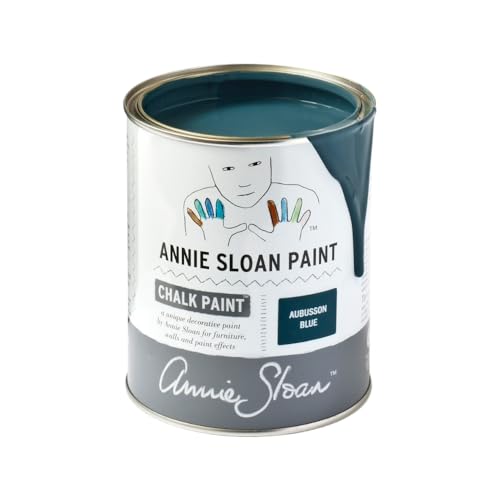
To achieve a beautifully aged look on your items, first apply a thin layer of the chalk-infused mixture of your choice. This base coat serves as the foundation for the desired antique effect.
After the base layer has dried, lightly sand the edges and surfaces where natural wear would occur. Focus on corners, handles, and other high-contact areas to enhance the realistic appearance of use. This step is crucial for mimicking the genuine patina of vintage pieces.
Next, consider applying a contrasting hue to accentuate details. A darker shade will bring depth and highlight the texture created by the sanding process. Allow this second coat to dry completely before proceeding with finishing elements.


For the final touch, apply a clear wax or a protective coating to seal your work. This not only enhances the overall look but also provides durability against everyday wear. Buff it to achieve a subtle sheen, giving your revitalized item a polished finish.
Techniques for Creating a Worn Look with Chalk Coating
Begin by applying a base layer of your chosen coating to the entire piece, ensuring even coverage. Let it dry completely before proceeding. Once dry, take a fine-grit sandpaper or a sanding block to areas that naturally show wear, like edges and corners. Light pressure allows for subtle exposure of the original surface beneath.
For added depth, consider using a damp cloth or sponge to wipe down the sanded areas. This softens any harsh lines and blends the wear more naturally into the surrounding areas. If a lighter touch is desired, a cheesecloth can also work wonders for creating a subtle worn effect.
Enhancing the Look with Wax
Once you achieve desired results, apply a clear or colored wax for protection and a finished appearance. Use a soft brush or cloth to work the wax into the surface, paying extra attention to the distressed areas. Buff the piece after the wax sets to a soft sheen. This not only offers durability but also enhances the beauty of the finish you created.
Final Touches for Character
For an authentic aged feel, experiment with layering different colors of coating. After the first layer is dry, apply a second color, then sand it back to reveal hints of the original base coat below. This technique adds complexity and character to the piece, making it truly unique.
Choosing the Right Color Palette for Distressing
Selecting an appropriate color scheme is fundamental for creating an appealing aged effect. I recommend starting with a base hue that complements your space. For instance, soft neutrals like cream or light gray serve as excellent canvases.
Pairing your base coat with contrasting shades enhances depth. Here are some color combinations to consider:
- Base: Soft beige + Highlight: Turquoise
- Base: Light gray + Highlight: Charcoal
- Base: Pale blue + Highlight: Antique white
- Base: Sage green + Highlight: Rich brown
Another option is a monochromatic scheme, using varying tones of a single color. This approach can create a cohesive, stylish look. I often find that layering darker and lighter shades adds richness and interest.
Experimenting on small surfaces is wise. Testing your palette helps visualize the final outcome without committing to a large piece. Swatches allow for safe exploration before the main application.
Consider the ambiance you wish to create. Warm colors invite comfort, while cool tones can evoke tranquility. Choose colors that resonate with your personality and the atmosphere of your home.
Finally, don’t forget about the finish. A matte look often emphasizes the vintage charm, whereas a satin finish can enhance the vibrancy of your colors.
Preparing Your Furniture for Painting
Clean the surface thoroughly using a mixture of warm water and mild soap. This removes dirt and oils that could interfere with adhesion. After cleaning, let it dry completely.
Inspect for any damage like scratches or chips. Repair these imperfections with wood filler or sandpaper. Sand the surface lightly to ensure better grip for the new layer.
If the piece has a glossy finish, using medium-grit sandpaper can enhance adhesion. Follow up with fine-grit paper for a smooth finish.
Wipe down the entire area with a damp cloth to eliminate any dust from sanding. Once it’s dry, use a primer if the original paint is dark or if you’re using a light tint on a dark piece.
| Step | Action |
|---|---|
| 1 | Clean the surface |
| 2 | Inspect for damages |
| 3 | Sand the area |
| 4 | Wipe with a damp cloth |
| 5 | Apply primer if necessary |
Make sure to gather all tools needed for the process before beginning. Having brushes, rollers, and drop cloths ready will streamline your project.
Lastly, consider the environment. Choose a well-ventilated space, and ensure you are aware of any temperature and humidity considerations that may affect your application.
Application Techniques for Annie Sloan Chalk Paint
For a smooth finish, I apply a thin layer of color evenly across the surface. Using a flat brush allows for better control and reduces streaking. I always work in manageable sections to maintain a wet edge, preventing any visible lines.
To achieve texture, I sometimes use a natural bristle brush. This method creates a unique, soft texture. It’s also helpful to experiment with a distressing technique by applying heavier strokes in areas I want to highlight.
Dry brushing is another technique I enjoy. I dip the brush lightly into the mixed color, then wipe off excess paint. This allows for a subtle, layered appearance that can enhance the character of the piece.
When I want to create a more aged look, I apply a wash of water or a lighter color over the dried layer. This method softens the overall appearance, adding depth.
Always remember to sand lightly between layers for better adhesion. I prefer using a fine-grit sandpaper, which smoothes any rough spots and prepares the surface for the next application.
To seal the finish, I opt for a clear wax or a lacquer, depending on the desired sheen. Applying these products enhances durability while ensuring that the color remains vibrant.
Creating Distressed Effects with Sanding and Wax
To achieve a weathered look, I recommend using fine sanding paper after the initial coat dries. Begin with a medium grit and then switch to a finer grit for subtle touches. Focus on corners and edges where natural wear occurs. Lightly sand these areas to reveal the underlayer, creating a contrast that enhances the aged appearance.
Applying Wax for Finish
After sanding, using clear or dark wax helps to deepen the tones and add richness. Apply the wax with a soft cloth or a brush, working it into the surface. For a more pronounced effect, consider using dark wax in combination with clear to accentuate the sanded areas. Buff the surface after the wax application to achieve a smooth, polished finish that enhances the overall texture.
Final Touches
I suggest using a clean, dry cloth to remove excess wax, ensuring that the finish isn’t overly slick. Pay attention to the saturation of color in areas exposed by sanding; adjusting your technique here will create depth and character. Regularly assess the look as you work, allowing for adjustments to achieve the desired look.
Common Mistakes to Avoid When Distressing
Avoid overly aggressive sanding. This can lead to uneven surfaces and damage the base layer of your creation. Instead, choose a fine-grit sandpaper and gently work in layers, inspecting your progress frequently.
Neglecting to test colors on a small section is another frequent error. Always apply a sample on a hidden area to ensure it complements your vision before committing to the entire piece.
Ignoring Surface Preparation
Skipping the cleaning stage can drastically impact final results. Always clean the surface to remove dust, grease, and residues to enhance paint adhesion.
Overloading Wax
Applying excessive wax can lead to a sticky finish. Instead, use a small amount on a lint-free cloth and build up layers gradually, allowing each layer to cure properly before adding more.
Maintaining Your Distressed Finish Over Time
To preserve the aged appearance you’ve created, regularly dust the surface using a soft, dry cloth. This minimizes buildup that can dull the finish. For deeper cleanings, a damp cloth with mild soap works wonders–just avoid soaking the wood.
Consider applying a layer of clear wax every 6-12 months. This addition not only protects the underlying color but also enhances the character of the texture. When waxing, use a soft cloth in circular motions for an even application, allowing it to cure properly before using the piece.
Beware of direct sunlight, which can lead to fading over time. If possible, position your item away from strong light sources. If the location can’t be changed, consider using sheer curtains to diffuse the sunlight.
Monitor for moisture exposure. High humidity can warp or damage the paint, so avoid placing these items in damp areas like basements or near radiators. If condensation occurs, dry the surface gently and promptly.
For touch-ups, it’s best to use the original paint and apply it sparingly to maintain the aged look. Once dried, follow up with a bit of fine sandpaper to blend seamlessly into the existing texture.
Finally, remain mindful of heavy use. If the piece undergoes frequent contact, reinforcing the edges and corners with additional wax or a protective sealant can prolong the aesthetics and integrity of your masterpiece.
FAQ:
What tools and materials do I need to distress furniture using Annie Sloan Chalk Paint?
To distress furniture with Annie Sloan Chalk Paint, you’ll need a few basic tools and materials. First, select your paint color from the Annie Sloan Chalk Paint range. You’ll also require a clean, dry brush for applying the paint, sandpaper or a sanding block to achieve the distressed look, and a wax or clear coat for sealing the finish. Additionally, having a cloth on hand for cleaning excess paint and dust is helpful. If you want to incorporate specific distressing techniques, consider having a damp rag for wet distressing. Pair these materials with your creativity, and you’ll be ready to start your project.
Can I distress furniture without prior painting experience?
Yes, you can easily distress furniture even if you have no prior painting experience. Annie Sloan Chalk Paint is user-friendly and does not require a complicated application process. Start by applying a base coat of chalk paint to your furniture. Once dried, use sandpaper to gently rub the edges and corners of the piece, revealing the base layer or wood beneath. This technique creates a natural, worn appearance. Take your time and practice on a small area if you feel uncertain. The beauty of this method is its forgiving nature; even minor mistakes can contribute to a unique look.
How do I achieve different levels of distressing on my furniture?
Achieving various levels of distressing on furniture involves adjusting the amount of pressure and technique used while sanding. For a light distress, lightly sand the edges and corners, focusing on areas that would naturally wear over time. For a more pronounced distressed look, apply more pressure or sand larger areas. You can also use a damp cloth to wet distress, which creates softer, more blended edges as the paint lifts slightly. Experiment with different techniques on scrap wood or inconspicuous areas of your furniture until you reach the desired effect.
What colors work best for distressing furniture with Annie Sloan Chalk Paint?
When choosing colors for distressing, consider contrasts that highlight the distressed areas. Lighter colors, such as Old Ochre or Paris Grey, work well with darker waxes for a more aged appearance. Alternatively, darker colors like Graphite can be used as a base to create dramatic contrasts when sanded. You can also layer colors, applying one shade and then distressing to reveal a different hue below, adding depth and character to the piece. The key is to select combinations that complement each other, so don’t hesitate to experiment with different palettes.
How can I protect my distressed furniture after painting?
To protect your newly distressed furniture, it’s important to apply a suitable topcoat. Annie Sloan offers a clear wax that not only seals the paint but also enhances its durability and provides a soft sheen. After allowing the paint to dry completely, apply the wax using a clean cloth or brush, working it into the painted surface. For added protection, especially in high-traffic areas, consider using lacquer or a polyacrylic finish. Make sure to follow the product instructions and allow sufficient drying time between coats for the best results.


