
 Caleb Turner
Measure the dimensions of the item first. Length, width, and height are critical for understanding how it will interact with the entryway. This allows for precise calculations and avoids unexpected challenges during the move.
Next, assess the size of the opening. Use a tape measure to get the width and height of the threshold, accounting for any molding or other obstructions that may reduce the usable space.
Consider the angles and pathways leading to the entry. It’s essential to visualize how the piece will maneuver through corners or down hallways. Sometimes, tilting or turning the item at certain angles can make a significant difference in clearance.
Having a helper can streamline the process. With two people, adjusting the position becomes easier, allowing for adjustments during your measurements and preparations.


Finally, don’t hesitate to take apart the item if necessary. Many pieces can be disassembled for easier transport, simplifying the operation considerably while ensuring nothing gets damaged along the way.
Measure the Dimensions of the Furniture
Begin by obtaining the precise measurements of the item. Use a tape measure to capture the height, width, and depth. Ensure accuracy by measuring at multiple points in case the shape is irregular.
Key Measurements to Take
- Height: Measure from the highest point to the base.
- Width: Measure across the widest part.
- Depth: Measure from the front to the back.
Tips for Accurate Measurement
- Keep the tape measure straight and taut for accurate readings.
- If possible, have a second person assist to hold one end of the tape measure.
- Consider any detachable parts, such as legs or cushions, as they can affect the overall size.
Record the dimensions to have a reference while evaluating the entryway. Being methodical in this process minimizes the likelihood of fitting issues.
Know the Door Frame Measurements
Measure the height and width of the door frame. The standard door dimensions are typically 80 inches in height and 36 inches in width. However, this can vary, so it’s crucial to confirm the actual measurements of your specific entryway.
Pay attention to any hinges or protrusions that might affect the clearance. Assess if there’s any molding or trim around the frame that could reduce the effective size of the opening.
Consider the door swing direction. If it opens inward, ensure there’s enough space inside the room for easier navigation. If it swings outward, be aware of the area outside, as it may impact how you maneuver large items.
When measuring, be accurate. A slight error can result in a challenging maneuver later. Use a tape measure for precise readings, and jot down your findings for reference.
Check for Doorway Obstructions
Inspecting the entryway for any barriers is a necessity. This includes examining both the immediate area around the portal and the surroundings to ensure a clear passage.
Identify Potential Blocks
- Furniture: Look for any items, such as small tables or coat racks, that may be placed near the doorway.
- Lighting: Ensure that light fixtures don’t protrude into the space where the item will move.
- Door Stop or Threshold: Check if any fixed elements at the base of the door might cause interference.
- Decor: Watch for wall decorations or artwork that could obstruct movement.
Assess the Clearance
Measure the distance from the floor to the bottom of the door frame and the distance from the frame to the nearest walls. Ensure that these measurements provide adequate room for maneuvering.
Consider removing any items that could impede the path before attempting to bring in the new piece. A clutter-free area significantly increases the likelihood of smooth navigation through the entryway.
Assess the Angle of the Door Opening
To ensure a smooth passage for larger items, I always evaluate the angle at which the door opens. A door that swings inward may provide more room than one that opens outward, or vice versa, depending on the spatial arrangement. Knowing the degree of swing can significantly influence my approach.
Testing the Swing Radius
I measure the distance from the door hinge to the outer edge of the door. This measurement allows me to visualize how much space is available when the door is fully opened. If necessary, I will temporarily remove or change the position of objects near the door to maximize accessibility.
Calculating the Required Angle for Entry
In addition to assessing the swing radius, I consider the angles needed for maneuvering items. I typically position the item at various angles while near the doorway to identify the most effective approach. This practice helps me visualize any adjustments needed for successful navigation, especially for bulky pieces.
| Door Type | Swing Radius (inches) | Optimal Angle for Entry |
|---|---|---|
| Inward Opening | 36 | 45° |
| Outward Opening | 30 | 60° |
| Double Doors | 40 | 90° |
Consider the Furniture’s Shape and Design
Analyze the contours and specifics of the item. Bulky or irregularly shaped pieces can pose challenges. Pay attention to rounded edges and protrusions; these features may increase the overall breadth during maneuvering. A sectional sofa, for instance, may be broken down into smaller segments, easing transportation through tight spots.
Items with expansive armrests or intricate designs may complicate passage, especially in cramped areas. If the piece has a detachable element, like legs or shelves, removing them can result in a more streamlined profile. Take note of height as well; tall items risk hitting door frames or ceilings during movement.
Evaluate how the design impacts movement. Pieces with a rectangular base generally slide more easily, while oddly shaped objects may require strategic angling. I’ve found it helpful to visualize the process; imagining the item’s trajectory often highlights potential issues before any attempt is made.
In specific cases, consider whether the item is flexible or rigid. Softer materials can sometimes be squeezed through gaps where harder constructions cannot. Keep as much of the original form intact as possible, as bending or forcing may cause damage.
Remove Door Hardware if Necessary
Consider unscrewing the door handle or knob, as this can create additional space. Use a screwdriver to remove the screws securing the hardware, allowing for easier manipulation of the door itself.
Take advantage of the opportunity to detach the latch plate if your measurements show tight clearance. This simple step can yield significant extra room, especially with bulkier pieces.
Adjust Hinges for Wider Clearance
If space allows, adjust the hinges. By removing the door from its frame temporarily, you can further widen the entrance. Some hinges have removable pins that make this process straightforward.
Reassembly After Successful Passage
Once the item is positioned within the desired area, reattach all hardware securely. Double-check that the door functions properly after reinstalling any components removed during the maneuvering process.
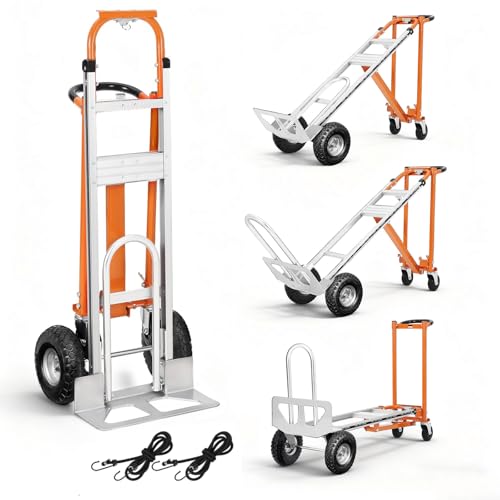
Utilize a Furniture Dolly for Assistance
Using a dolly simplifies the relocation of large items, making it easier to maneuver through narrow entries. Start with securing the piece to the dolly using straps to prevent slipping during transport.
Choose the Right Type of Dolly
Select a dolly that matches the dimensions and weight of the item. Consider using a four-wheel dolly for stability, especially with bulky objects. For heavier pieces, opt for a heavy-duty model designed to support significant weight without bending or breaking.
Maneuvering Techniques
When navigating obstacles, tilt the dolly slightly to shift the weight distribution. This technique helps in controlling the piece as I approach the entryway. Always keep a firm grip on the handle and use body strength to guide rather than relying solely on arm power.
Enlist Help for Large or Heavy Items
Recruiting assistance is a practical approach when managing sizable or hefty pieces. Having an extra pair of hands makes maneuvering significantly easier, particularly in tight spots. Coordinate with friends or family members who are willing to help, ensuring they understand what is required during the process.
Communicate Clearly
Before the lifting begins, discuss the plan in detail. Explain entry points, specific angles required for moving, and highlight any potential challenges. Clear communication minimizes confusion and makes the entire process smoother.
Assign Roles
Assign specific responsibilities to each person involved. For instance, one individual can take charge of lifting, while the other guides through the doorway or directs the team. This division of labor enhances efficiency and reduces the risk of damage to the item or surroundings.
Consider recruiting individuals who are physically capable of handling weighty objects. Their strength and experience will prove beneficial in navigating difficult passages. If you find it particularly demanding, professional movers can provide expertise and safety during the relocation process.
Finally, don’t hesitate to ask for help, as collaboration often leads to better outcomes. Seeking assistance combines strength and strategy for successful transitions in tight spaces.
Plan for Alternative Entry Points if Needed
If standard access routes are too tight, I consider alternatives such as windows, back doors, or garages. It’s wise to evaluate the dimensions of these openings beforehand.
Here are some steps to prepare for alternate entry points:
| Step | Action |
|---|---|
| 1 | Measure the width and height of potential entry points. |
| 2 | Ensure that the pathway is clear and unobstructed. |
| 3 | Consider the need for tools to remove screens or security bars if accessing through a window. |
| 4 | Enlist assistance for lifting and positioning items if using a non-standard entry. |
| 5 | Think about utilizing protective materials, such as blankets, to avoid damage during the process. |
Considering an alternate entry can prevent stress during the transport process. Pre-planning lays the groundwork for a smoother experience.
FAQ:
What measurements should I take to determine if my furniture will fit through the door?
To ensure your furniture can fit through a door, you’ll need to measure both the furniture and the door frame. Start by measuring the width, height, and depth of the piece of furniture. Then, measure the width and height of the door frame and its opening. Make sure to also consider the door’s swing direction, as this could affect the available space when moving the furniture. It’s advisable to leave some additional clearance when comparing measurements to account for maneuvering the item through the door.
Can I use the same method for different types of doorways?
Yes, the same measurement technique can be used for various types of doorways, but you might need to adjust your approach based on specific features. For instance, if you have a double door, ensure that both doors can open wide enough to accommodate your furniture. In cases of sliding doors, the width of the opening becomes crucial. Additionally, for curved or irregular doorways, it may be necessary to use more intricate angles and measurements, taking the shape into account when evaluating the fit of your furniture.
What should I do if my furniture is slightly too large to fit through the door?
If your furniture is too large to fit through the door, you have a few options. One possibility is to disassemble the furniture if it allows for it; removing legs or other detachable parts can reduce its dimensions. Another approach is to explore alternative entry points, such as windows or larger openings, depending on the layout of your home. If those methods are not feasible, using professional movers with experience in navigating tight spaces could also be a solution.
Are there any tools I can use to help measure my furniture and door openings accurately?
Several tools can assist you in getting accurate measurements for both furniture and door openings. A tape measure is the most straightforward tool for measuring dimensions. For more precise measurements, especially in tight or awkward spaces, a laser measuring tool can be very helpful. Additionally, a furniture dolly can be beneficial for moving and maneuvering larger items once you determine they will fit. Using a pencil and paper or a digital device to jot down measurements can also help keep everything organized as you work through the process.


