
 Caleb Turner

Begin with a thorough clean; remove dust, dirt, and debris using a soft brush or cloth. A gentle soapy water solution can help eliminate stubborn stains, ensuring your pieces are spotless before shielding them from the elements.
Consider utilizing protective tarps or specialized weather-resistant covers that fit snugly around your items. These materials guard against moisture and snow, preventing mold and mildew from developing over time. Ensure the covers have secure fastenings to withstand wind gusts.
Additionally, storing these items indoors can provide optimal protection. If space allows, wrap each piece in breathable fabric to avoid trapping moisture. Elevate them off cold surfaces using pallets or bricks, allowing airflow and preventing condensation from accumulating.
Lastly, remember to inspect your items regularly throughout the season. Early detection of any damage lets me address issues promptly, ensuring the longevity of my outdoor decor.
Preparation Steps for Protection
Select high-quality tarps or covers specially designed for outdoor settings. Look for durable, water-resistant materials that can withstand harsh conditions. Measure each piece meticulously to ensure a snug fit, preventing wind from lifting the fabric during storms.

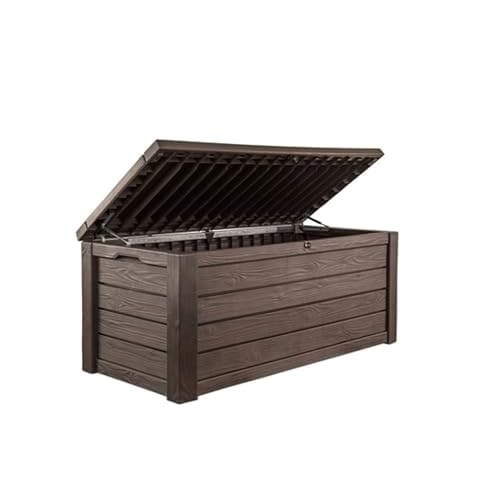

Securing the Covers
<pUtilize bungee cords or straps for securing each cover tightly around your items. This helps avoid any moisture or debris from entering. If your setup includes multiple pieces, consider using a larger cover to group them together, which simplifies the process and enhances stability.
Regular Maintenance
<pPerform checks throughout the season. Remove any accumulated snow or ice on the surface of your protective gear to prevent buildup and potential damage. Inspect the items periodically for signs of wear on the covers, replacing them as necessary to ensure ongoing protection.
Choosing the Right Cover Material for Rattan Furniture
I recommend using breathable materials such as polyester or polyethylene for optimal protection against moisture and temperature changes. These fabrics prevent mildew and condensation while ensuring the cushions and woven components remain in good condition.
Durability and Weather Resistance
Opt for a heavy-duty option when tackling outdoor elements. Look for covers that feature UV resistance to avoid fading from sun exposure. Reinforced seams enhance longevity and prevent tearing, making a significant difference in performance over time.
Ease of Use and Maintenance
Select covers that are lightweight and easy to handle. Features like drawstrings or Velcro straps facilitate a secure fit and quick adjustments. I find that materials that are machine washable or easy to wipe clean simplify maintenance, ensuring my seating remains fresh and appealing during off-seasons.
Preparing Rattan Furniture for Winter Storage
Before storing, I ensure I clean every piece thoroughly with a mild soap solution to remove dust and dirt. This prevents any mold or mildew from forming during the cold months. I dry each item completely, paying extra attention to the joints and crevices where moisture may linger.
Next, I inspect for any damage. If I find loose or broken strands, I repair them promptly to prevent worsening. A coat of furniture oil or sealer helps nourish the surface and shields it from the elements during storage.
I choose a dry, ventilated space for storage, as humidity can significantly impact the material. While arranging the pieces, I place them off the ground using pallets or blocks to avoid contact with potential moisture. This also allows air circulation around each item.
Lastly, I cover everything with a breathable fabric to minimize dust while allowing moisture to escape. I make sure to check on the items periodically throughout the season to ensure they remain in impeccable condition.
Cleaning Rattan Furniture Before Winter Covering
Before tucking away your woven seating, I ensure it’s spotless to prevent mold and damage. Here’s my method:
- Remove loose debris with a soft brush or vacuum, focusing on crevices.
- Create a soapy solution using mild dish soap and warm water.
- Dip a soft cloth into the mix, wring it out, and gently wipe all surfaces systematically.
- For stubborn stains, I apply a paste made of baking soda and water, letting it sit for a few minutes before scrubbing lightly.
- Rinse the cloth with clean water and wipe down all areas to eliminate soap residues.
- Let the pieces dry completely in a well-ventilated area, avoiding direct sunlight to prevent fading.
Final Touches
A layer of furniture oil can be applied to maintain the finish and provide extra protection against moisture. I recommend checking the manufacturer’s instructions to verify compatibility.
- Use a clean, soft cloth for application.
- Buff the surfaces to achieve an even sheen.
- Always remove excess oil to prevent sticky residues.
Tidiness and care enhance longevity, making sure your pieces stay in prime condition until you unveil them again.
Measuring Your Rattan Furniture for Custom Covers
First, gather a measuring tape and a notepad. Ensure your workspace is clear. Measure the width, depth, and height of each piece of outdoor seating or table. If the item has irregular shapes, take measurements at the widest and tallest points.
Detailed Measurements
For lounge chairs, measure the seat, backrest, and armrests separately to account for contours. For tables, include the height of the legs to determine clearance and any overhang. Additionally, consider adding a few inches to each measurement to allow for ease of fitting.
Double-Check Dimensions
After noting down your measurements, double-check to ensure accuracy. It’s advisable to revisit challenging angles or curves. If possible, enlist someone to assist; an extra pair of hands can help hold the tape in hard-to-reach areas.
Securing Covers Against Wind and Rain
To prevent the tarps from being blown away or collected with moisture, it’s crucial to use weighted straps or bungee cords. I often find that securing the fabric tightly, especially around the base, significantly reduces movement during harsh weather conditions.
Recommended Fastening Techniques
Utilizing clips or ties can enhance stability. I prefer using adjustable straps that can be tightened around the legs or frames. Make sure to check the fabric for proper placement of these fasteners to ensure a snug fit.
Creating a Water-Resistant Barrier
For additional protection against rain, it’s beneficial to tilt the covers slightly. Setting them at an angle helps water runoff efficiently and prevents pooling. Always inspect the covers regularly for signs of wear or damage, replacing them as necessary to maintain effectiveness.
| Fastening Method | Effectiveness | Ease of Use |
|---|---|---|
| Weighted Straps | High | Moderate |
| Bungee Cords | High | Easy |
| Clips/Ties | Moderate | Easy |
Ultimately, combining these methods provides reassurance that your investment remains undamaged during the winter months.
Optimal Storage Locations for Covered Rattan Furniture
Indoors is the best option. A garage or basement offers protection from extreme temperatures and moisture. If indoor space is limited, a sheltered porch or a carport serves well, protecting against direct weather elements.
Considerations for Outdoor Storage
If indoor storage isn’t feasible, select an area that minimizes exposure:
- Location away from heavy winds to avoid cover displacement.
- Shade from trees or structures to reduce sun fading and moisture accumulation.
- On a flat, dry surface to prevent damage from standing water.
Preparation Steps for Storage Areas
Ensure the storage environment is suitable:
- Clear the space of debris and dirt.
- Inspect for pests; use measures to eliminate any infestations.
- Consider using pallets or shelving to elevate items off the ground, preventing moisture absorption.
Choosing these optimal locations and preparing adequately contributes significantly to maintaining the quality of your outdoor pieces during the colder months.
Maintaining Woven Outdoor Seats During Cold Months
Inspect the pieces regularly for any signs of moisture accumulation or dirt buildup. Addressing these issues promptly can prevent long-term damage. A gentle wipe-down with a damp cloth should suffice to keep the surfaces clean and dry.
Protecting Against Humidity
Humidity can be detrimental. Ensure that any moisture from rain or snow is wiped away. If possible, utilize a fan or dehumidifier in the storage area to maintain an optimal environment.
Regular Checks and Adjustments
Monthly inspections for wear and tear are beneficial. Tighten any loose fittings and ensure no pests have made a home in the area. Consider applying touch-up paint on any scratches to maintain appearance and durability.
| Type | Recommended Action |
|---|---|
| Moisture Damage | Wipe with a damp cloth; use a dehumidifier if possible. |
| Pest Inspection | Check monthly; apply appropriate deterrents if necessary. |
| Loose Parts | Tighten fixtures regularly to prevent accidents. |
Storing outdoor items properly ensures they last through seasons. Always prioritize maintaining an even temperature and avoiding areas prone to excessive moisture.
Spring Preparation: Uncovering and Inspecting Rattan Furniture
Begin by removing any protective layers carefully. I suggest using a soft brush or cloth to clear off any accumulated dust or debris from the surfaces. Once uncovered, check for signs of wear or damage, such as loose joints or fraying strands.
Next, conduct a thorough examination:
- Inspect all structural components for any cracks or breaks.
- Look for discoloration or signs of mold, which can develop during storage.
- Assess the condition of cushions and upholstery; replace or clean them if necessary.
If any repairs are needed, now is the time to address them. Tighten screws and bolts, and replace any damaged parts to ensure longevity. Apply a suitable conditioner or sealant designed for your piece’s material to maintain its luster and protect against future damage.
Once everything is in order, consider relocating the items to a suitable outdoor setting, avoiding direct sunlight. This allows them to acclimate to the new environment gently.
Finally, assess the placement of the items. A shaded area or a spot with adequate airflow helps prevent moisture buildup and prolongs the aesthetic appeal of the pieces.
FAQ:
What materials are best for covering rattan furniture during winter?
For covering rattan furniture in winter, the best materials are waterproof tarps or breathable fabric covers designed specifically for outdoor furniture. Waterproof tarps provide protection against moisture and snow, preventing mold and mildew. Breathable covers allow moisture to escape, which helps to keep the furniture dry. Make sure the covers are UV resistant to protect against sunlight exposure during the warmer months.
How can I protect my rattan furniture from moisture and cold during winter?
To protect your rattan furniture from moisture and cold in winter, start by cleaning it thoroughly to remove dirt and debris. Use a protective coating such as a sealant suitable for rattan. After cleaning, cover the furniture with waterproof and breathable covers or move it indoors if possible. Elevating the furniture off the ground using blocks can also help prevent moisture from seeping into the rattan. Lastly, consider using desiccants or moisture absorbers in the storage area to reduce humidity.
Is it necessary to disassemble rattan furniture for winter storage?
Disassembling rattan furniture for winter storage is not strictly necessary, but it can be beneficial depending on the type of furniture and the amount of storage space available. By taking apart larger pieces, you can save space and reduce the risk of damage. However, if your furniture is designed to withstand winter conditions, simply covering it adequately may be sufficient. Ensure that any disassembled parts are stored in a dry place to prevent moisture damage.
What should I do if my rattan furniture gets wet during winter?
If your rattan furniture gets wet during the winter, the first step is to dry it off as quickly as possible to prevent mold and mildew. Use a soft cloth or sponge to absorb excess water. Place the furniture in a well-ventilated area to air dry. Avoid direct heat sources, as they can cause the rattan to crack. Once dry, you may want to apply a fresh coat of protective sealant to help safeguard it for future use.
How do I clean rattan furniture before storing it for winter?
Cleaning rattan furniture before winter storage involves a few simple steps. Begin by dusting the furniture with a soft brush or a vacuum with a brush attachment to remove any dirt or debris. Next, mix mild soap with warm water and use a soft cloth to wipe down the surfaces. Rinse with a damp cloth to remove any soap residue. Finally, allow the furniture to dry completely before covering or storing it to prevent moisture buildup.
What materials are best for covering rattan furniture during winter?
When selecting materials to cover rattan furniture for winter, it’s important to choose durable, weather-resistant options. High-quality tarp or heavy-duty plastic sheeting can be effective as they keep moisture and snow away from the furniture. Additionally, breathable fabric covers are great for preventing mold and mildew while protecting against harsh weather. Ensure that whatever material you choose is UV resistant to prevent sun damage during the warmer months.


