 Caleb Turner

Begin with defining a focal point; this could be a striking headboard or a visually appealing piece of art above the bed. Position your mattress centrally under this focal feature to create harmony in the room.
Next, consider the dimensions and layout of your space. Make sure to leave enough walking area around the sides of the bed. I generally prefer at least 24 inches on either side for ease of movement and accessibility.
Integrating complementary pieces is critical. For instance, pair a minimalist nightstand with a larger wardrobe to maintain balance. Use a consistent color palette to create visual cohesion and choose materials that harmonize. Personally, I find that a mix of wood finishes can add warmth without overwhelming the senses.
Utilize rugs to demarcate areas, especially if the sleeping area is part of a larger room. A well-placed rug underfoot warms the space and adds texture, making it feel more inviting.
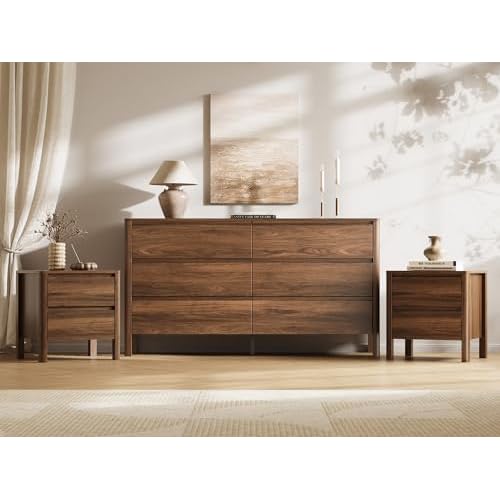

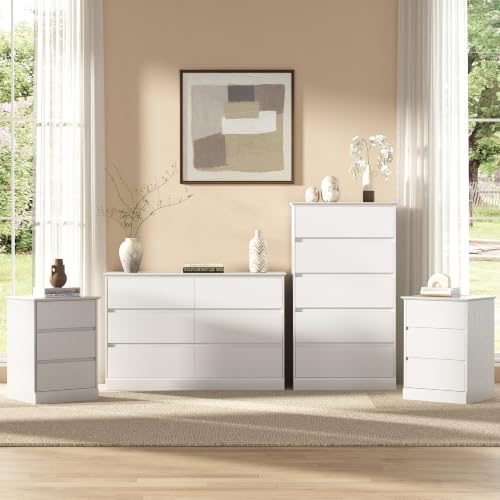

Lastly, incorporate functional accessories like lamps that not only serve a purpose but also enhance the overall aesthetic. I often opt for pieces that reflect my personal style while complementing the general theme of the space.
Tips for Harmonizing Bedroom Elements
When selecting pieces for your personal space, prioritize a unifying color palette. Choosing shades that complement each other will create a cohesive look. Stick to two or three main colors to simplify the decision-making process.
Consider varying textures to add depth. For example, mix smooth surfaces with upholstered items. This juxtaposition adds interest while maintaining harmony.
- Select a primary piece, such as a bed, and build around it.
- Choose side tables and dressers that share similar finishes.
- Incorporate accents like rugs or curtains that reinforce your color theme.
Balance the visual weight of larger items with lighter accents. Contrast a heavy wooden frame with airy fabrics to avoid overwhelming the space.
- Layer lighting with bedside lamps and overhead fixtures for functional elegance.
- Use art or decor that reflects your style while staying within your color scheme.
- Test different arrangements before settling on a final setup.
Avoid overcrowding by ensuring enough negative space. This allows each element to breathe, enhancing the overall aesthetic.
Choose a Color Palette for Your Sleeping Space
Opt for a harmonious color scheme that resonates with your style and promotes relaxation. I prefer selecting three main colors: a dominant shade, a secondary accent, and a neutral base. For instance, using a calming blue as the primary hue evokes tranquility, while soft white serves as the grounding element. An earthy green can act as the accent shade, adding a touch of nature.
Consider the psychology of colors. For instance, warm tones like soft yellows or terracotta create a cozy atmosphere, ideal for intimate areas. Cooler shades like gray or lavender can offer a serene vibe, promoting restful sleep. I often blend these approaches to create depth and interest in my space.
When selecting shades, test them with actual paint samples on walls for accurate representation in different lighting. Light can dramatically alter how colors appear throughout the day. Small swatches provide a clearer vision for how the combination feels in the room.
Textures play a role, too. Incorporating various materials, such as wood, metal, or fabric, enhances the aesthetic cohesion. For a cohesive experience, I choose bedding, curtains, and decor that align with the chosen palette to establish visual continuity.
Lastly, don’t hesitate to incorporate personal elements, such as artwork or accessories that tie into your color choices. These small touches can add individuality while remaining within the overall scheme. Balancing colors and textures allows for a polished, inviting space that reflects personal taste and comfort.
Select a Focal Point for Furniture Arrangement
Choosing a central element for your space profoundly impacts the overall layout. I often opt for items like a bed, artwork, or a striking piece of decor as my focal point, depending on the room’s character and my personal style.
- Bed Placement: Positioning the bed against the wall opposite the entrance creates a dramatic point of interest. I position nightstands on either side for symmetry.
- Artwork or Mirror: Hanging a large piece or mirror above a dresser draws attention and can enhance natural light, giving depth to the atmosphere.
- Seating Area: If a cozy nook exists, I arrange chairs and a small table around an accent piece, inviting interaction and warmth.
Consider Proportions
Ensuring that the chosen focal point harmonizes with nearby items is paramount. I always measure the space first and keep proportions in mind. A large bed demands substantial room, while smaller accessories should complement it without overcrowding.
Balance and Flow
After establishing the focal point, I assess the room’s layout for balance. It’s crucial to avoid clustering all significant items in one area. Spreading smaller pieces evenly allows the eye to travel smoothly through the space, creating a sense of harmony.
By intentionally selecting and arranging a focal element, I can transform the ambiance of my sleeping quarters, making it functional yet aesthetically appealing.
Measure Your Space for Optimal Layout
To achieve a well-organized sleeping area, accurately gauge your available space. I recommend using a measuring tape to obtain the length and width of the room. Take note of doorways, windows, and any other architectural features that may affect placement.
Creating a Scale Drawing
Once measurements are taken, create a scaled floor plan on graph paper or utilize a room planner app. This will allow for more precise visualization and testing of various setups without heavy lifting. Each square on the graph paper can represent a specific amount of space, making it easy to position elements like the bed, nightstands, and dressers. Aim for traffic flow and ensure no piece blocks access to essential areas.
Allowing for Access and Comfort
Plan for sufficient clearance around each piece to maintain comfort and functionality. For instance, I usually allow at least 30 inches between the bed and any adjacent furniture. This ensures easy movement. Allocate additional space for opening drawers and doors. After drafting several options, I choose the layout that feels most inviting yet practical, taking care not to overcrowd the area with excess items.
Mix Different Furniture Styles Harmoniously
To achieve a balanced look, I combine diverse design aesthetics by selecting a unifying element. This could be a common color or material that appears in each piece, anchoring the space visually. For instance, if I have a contemporary bed, I might choose a rustic nightstand made of distressed wood that shares the same color palette as the bedding.
Incorporate Similar Textures
Bringing together contrasting styles requires attention to texture. If I include a velvet accent chair, I look for a wooden dresser that has a similar finish. This creates a visual dialogue between pieces and softens the transition between styles. Leather and fabric also work well together, allowing me to mix mid-century modern elements with more classic pieces seamlessly.
Focus on Scale
Prioritizing the scale of each item ensures that no single piece overwhelms the rest. When I opt for a robust and heavy platform bed, I choose lighter, more open nightstands that won’t compete for attention. Maintaining proportion is essential; mixing chunky items with sleek, slender ones can unify the look while still allowing each piece to shine in its own right.
By selectively blending styles and keeping a keen eye on texture and scale, I achieve a cohesive yet eclectic environment that feels personalized and inviting.
Incorporate Proportions and Scale
To achieve a harmonious environment, I always assess the size of each element I choose for my space. Scale affects how I perceive the room, and understanding it is key. Here’s what I recommend:
- Choose larger pieces for expansive areas. Oversized beds or armoires can create a bold statement, preventing the space from feeling empty.
- Utilize smaller items in tighter quarters. A petite nightstand or slim chair keeps the area from feeling cramped.
- Maintain consistency in dimensions. When combining various elements, I ensure they share similar proportions. For instance, pairing a chunky dresser with a delicate side table looks disjointed.
- Use visual weight effectively. Heavier or darker pieces should be balanced with light or airy components to prevent overwhelming the eye.
- Scale up accessories. I often select larger artwork or decor items to create focal points that draw attention without cluttering the space.
Taking precise measurements helps too. I always jot down dimensions of my area and planned pieces, assessing their fit before making any purchases. This practical approach ensures a cohesive look while enhancing comfort and utility in my personal retreat.
Plan for Functionality and Flow
Establishing a practical layout is fundamental for a harmonious atmosphere. First, prioritize the arrangement of larger items, ensuring they aren’t blocking pathways. A clear route allows for easy movement, which can significantly enhance the experience of the space.
Identify key activities you’ll perform in this environment, such as sleeping, reading, or dressing, and arrange items accordingly. For instance, place the bed near a source of natural light if reading or relaxing in bed is a priority. If storage is essential, incorporating a dresser or wardrobe close to your clothing access points streamlines your routine.
Strategic Placement for Accessibility
Utilize the corners efficiently–consider placing nightstands or small accent pieces there, maximizing space while maintaining access. Ensure that bedside lamps are within reach and suited to your personal preference for lighting. Additionally, avoid overcrowding any area; items should serve a purpose without overwhelming the senses.
Flow Between Spaces
To create a seamless transition within the room, align items with the door’s opening path. This orientation naturally guides movement and helps maintain balance in the layout. Always aim for symmetry where possible; this can lead to a pleasing aesthetic and functional divide between different areas, such as sleeping and dressing zones.
| Activity | Recommended Furniture Placement |
|---|---|
| Sleeping | Near windows or opposite walls to create balance |
| Reading | Close to light sources, add a chair or floor lamp |
| Dressing | Near wardrobes or drawers for accessibility |
| Relaxing | A calming nook with seating away from clutter |
Reflect on the layout as a dynamic aspect. Adjusting the arrangement based on daily activities will enhance the personal vibe. Flexibility in arrangement is key to ensuring that comfort and convenience remain prioritized in any scheme.
Add Accessories to Tie the Look Together
Incorporating complementary items can dramatically enhance the overall aesthetic of your space. Choose textiles like throw pillows, blankets, and area rugs that echo your color scheme. Textured fabrics can provide depth and interest while ensuring harmony in design.
Layering Decorative Elements
Layer art pieces on walls to create visual intrigue. Group smaller frames together or choose a large statement piece as a focal attraction. This not only adds character but also draws attention effortlessly.
Functional yet Stylish Items
Utility should not be overlooked; consider incorporating stylish trays or decorative baskets for storage. This approach maintains order while contributing to the visual appeal. Incorporate greenery with potted plants or vases to introduce freshness and a pop of color, further enriching the decor.
Consider Lighting for Ambiance and Style
Integrating multiple light sources shapes the atmosphere of the space. Combining ambient, task, and accent lighting can create a well-rounded effect. For example, a central ceiling fixture provides general illumination, while bedside lamps deliver focused light for reading.
| Type of Lighting | Purpose | Recommended Fixtures |
|---|---|---|
| Ambient | Overall illumination | Ceiling fixtures, chandeliers |
| Task | Focused lighting for activities | Table lamps, wall sconces |
| Accent | Highlight specific features | Spotlights, LED strips |
Dimmer switches enhance versatility, allowing adjustment of light intensity based on mood or time of day. Incorporating soft, warm bulbs contributes to a cozy feel, while cooler tones can energize the space.
Position fixtures thoughtfully to avoid shadows and ensure functionality. A mix of light sources will not only elevate style but also improve usability for different activities. Remember to consider how light interacts with colors and textures present in the space.
Regularly Update for Freshness and Trends
I recommend refreshing the aesthetic of your personal space every few years. Trends shift, and updating colors, textures, and shapes can breathe new life into a room. Begin by swapping out accent pieces such as pillows, throws, or artwork to reflect current styles. This small change can make a significant impact without requiring a complete overhaul.
Consider incorporating seasonal elements to keep the environment dynamic. For example, lighter fabrics and brighter colors in spring and summer can enhance a cheerful atmosphere, while richer, cozier materials in fall and winter can create warmth. Pay attention to trending palettes and patterns, and select a few that resonate with you for easy updates.
Follow design influencers on social media or explore interior design magazines for the latest ideas. Being aware of what’s popular can help inform your choices while allowing you to maintain a unique personal touch. Remember to prioritize your taste, ensuring that any updates truly reflect your style.
Every few years, examine larger elements such as the bed frame or storage options. Choosing a statement piece that aligns with current trends can serve as a focal point, promoting an updated look throughout the entire space without requiring total replacement of all components.