
 Caleb Turner

I recommend using a high-quality furniture wax stick that matches the finish of the surface. This method is quick and produces a seamless blend, effectively concealing blemishes in the grain. Begin by cleaning the area with a soft cloth, ensuring it’s free from dust and grease.
Next, gently warm the wax stick using your fingers for better malleability. Apply the wax directly onto the imperfection, pressing it into the area with a finger or a plastic scraper for a smooth finish. Wipe off any excess, and then polish the repaired spot with a clean, dry cloth.

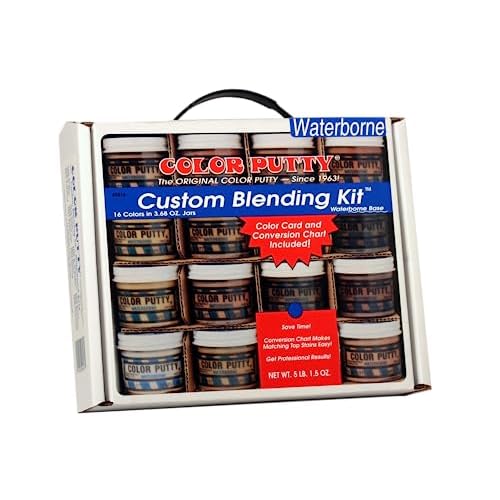


For deeper issues, consider a wood filler followed by sanding. Choose a filler that closely resembles the natural shade of the surface. Fill the cavity, wait for it to dry completely, and then lightly sand it down to create an even texture.
After sanding, you can apply a topcoat to match the sheen of the surrounding area. If your piece has a matte finish, select a matte topcoat; for a glossy look, choose a gloss finish. This will help restore the integrity of the surface and ensure that repairs blend seamlessly.
Repairing Imperfections in Wooden Surfaces
I recommend using a wood filler to effectively address the gaps in the surface material. Select a product that matches the color and texture of your item. Apply it with a putty knife, pressing it firmly into the damaged area, and smoothing the top for an even finish.
Enhance Appearance with Stain
Once the filler dries, sand the area lightly to blend it with the surrounding parts. A matching stain can rejuvenate the look. Apply with a clean cloth, ensuring even coverage. Allow it to penetrate for several minutes before wiping off the excess.
Seal for Durability
After the stain has dried completely, consider applying a clear sealant. This adds protection against future wear and enhances the sheen. Use a brush or a cloth, depending on the sealant type, and follow the manufacturer’s instructions for best results.
Assessing the Extent of Damage to Your Furniture
Begin evaluation by closely examining the affected area. Look for any signs of splintering, dents, or missing pieces. Use a magnifying glass if needed to identify minor imperfections that may require attention.
Identify the Type of Damage
Determine whether the issue is superficial or structural. Superficial flaws can often be treated with easy remedies, while structural damage may necessitate more intensive repair methods. Check for stability; if a leg or joint feels loose, that indicates a deeper problem. Make notes on what you see.
Assessing Color and Finish
Pay attention to any discoloration surrounding the damaged area. Matching the stain or finish is key for a seamless repair. If the original hue has faded or changed due to wear, document this to ensure the restoration appears uniform. A small test patch of stain can help you find the right shade.
Choosing the Right Wood Filler for Chips
Select a filler that matches the characteristics of the surface you’re repairing. For minor indentations, a lightweight spackling compound is often sufficient. For more considerable damage, consider a two-part epoxy filler, as it offers superior bonding strength and durability.
Types of Fillers
Water-based fillers are easy to clean and typically dry quickly, making them ideal for small projects. However, they may not provide the same level of durability as solvent-based options. Solvent-based fillers are better suited for high-traffic areas due to their resilience, but they require more time to dry and clean up.
Color Matching
Choose a product that can be stained or painted to ensure a seamless match with your existing finish. Test the filler on a small area before full application to verify that it blends well with the surrounding surface. Some fillers come pre-tinted to suit common colors, while others can be mixed to create custom shades.
Consider the work environment; if you’re in a poorly ventilated area, water-based fillers will minimize exposure to harsh fumes. For optimal results, maintain temperature and humidity levels in the workspace, as these factors can affect drying times and adhesion.
Preparing the Surface Before Application
Clean the area around the damage thoroughly. I typically use a soft cloth and a wood cleaner to remove dirt and oils. If necessary, lightly sand the affected area with fine-grit sandpaper to smooth out any rough edges. This ensures proper adhesion of the filler.
Inspect for any loose pieces of material or splinters. Gently remove these with your fingers or tweezers to prepare for the repair properly.
Steps to Follow
- Wipe down with a damp cloth to eliminate dust.
- Sand the damaged site lightly; this helps the filler stick better.
- Ensure the surface is completely dry before moving on to the next step.
For deeper imperfections, I apply a wood primer to enhance adhesion further. Applying a thin layer of primer allows for a more uniform surface texture. Make sure to let it dry completely before applying any filler.
Lastly, consider matching the filler to the finish of the surrounding area. This requires having a sample of the original finish, which can aid in selecting the right product. This preparation sets the stage for a seamless repair.
Applying Wood Filler for a Seamless Finish
Begin by thoroughly mixing the filler according to the manufacturer’s instructions for a consistent texture. Use a putty knife to apply a small amount of filler directly into the damaged area. Press firmly to ensure complete coverage and to push the material deep into the crevice.
Creating an Even Surface
After application, smooth the surface with the putty knife, ensuring it is level with the surrounding area. Allow the filler to dry completely, following the time specified on the product label. This is crucial, as insufficient drying may lead to issues during sanding and finishing.
Sanding for Perfection
Once dry, use fine-grit sandpaper to gently sand the area until it is flush with the surrounding grain. Regularly check for smoothness by running your fingers over the surface. Keep sanding until the filler is indistinguishable from the original finish. Wipe away any dust with a soft cloth before proceeding to stain or seal the area to match the rest of the item.
Matching the Color of Your Wood Furniture
To achieve a seamless integration of repairs with existing surfaces, I focus on selecting the right colors and finishes. Here are some steps I follow:
Identify the Finish Type
- Examine the sheen: Determine if the surface has a matte, satin, semi-gloss, or high-gloss finish.
- Check for staining: Identify if the piece is stained, painted, or left natural, influencing color matching.
Color Matching Techniques
- Use a color matching guide: These tools can help identify similar shades by comparing samples directly.
- Create samples: Mix touches of stain or finish on scrap wood to test color accuracy before application.
- Consider lighting: Observe how different light sources impact the appearance of colors on your piece.
By being precise in these assessments and adjustments, I can achieve a cohesive look that masks imperfections effectively.
Sealing and Protecting Repaired Areas
I recommend using a high-quality sealant to protect the areas I have repaired. After the filler has completely dried and been sanded to a smooth finish, I apply a suitable sealant that matches the sheen of the surrounding area. Polyurethane or lacquer can be effective choices, depending on the original finish of the piece.
Prior to application, I ensure the surface is clean and free from dust or debris. I often use a damp cloth to wipe away any particles, allowing the sealant to adhere properly. It’s essential to apply multiple thin coats rather than one thick layer to maintain an even finish and avoid unsightly runs.
Once I apply the first coat, I allow it to dry fully according to the manufacturer’s instructions. After drying, I lightly sand the surface between coats with fine-grit sandpaper, which helps in creating a smooth and uniform finish. This step also improves the bond between coats.
After achieving the desired look with the sealant, I let it cure completely before using the piece. This final step ensures that the repaired areas are not just aesthetically pleasing but are also well protected against wear and moisture, extending the life of the restoration.
Maintaining Your Furniture Post-Repair
After restoring your beloved pieces, keeping them in top condition is crucial. Regularly dusting with a soft, lint-free cloth prevents dirt accumulation that can wear down the surface over time.
Periodic application of a quality furniture polish helps to maintain luster and offers a layer of protection against moisture and stains.
Consider placing coasters beneath drinks and using placemats for dining to minimize exposure to spills and scratches.
Adjust humidity levels in your space, as extreme fluctuations can affect structural integrity. A stable environment will help prevent warping and further damage.
Address small scratches immediately with touch-up solutions tailored to your specific finish, ensuring that minor imperfections don’t escalate.
For larger maintenance tasks, I recommend using a microfiber cloth slightly dampened with water for cleaning, followed by thorough drying. This method avoids potential damage that harsh chemicals can cause.
Store items like remotes or decorative pieces on soft materials rather than directly on surfaces to avoid unintentional abrasions.
Organize regular inspections to identify wear and tear before it becomes extensive. Early detection allows for timely repairs, ensuring longevity of your restored treasures.
| Maintenance Task | Frequency | Notes |
|---|---|---|
| Dusting | Weekly | Use a soft, lint-free cloth. |
| Polishing | Monthly | Choose a quality polish compatible with your finish. |
| Conditioning Humidity | Ongoing | Aim for a stable environment. |
| Regular Inspections | Every 3 Months | Look for early signs of wear or damage. |
FAQ:
What are the best methods to cover chips in wood furniture?
There are several effective methods for covering chips in wood furniture. One of the most common techniques is to use wood filler, which comes in various colors and can be sanded and stained to match the surrounding wood. Another option is a wood stain marker, which can quickly hide minor chips and scratches. For deeper chips, applying a color-matched putty may work best, followed by a sealant for protection. Depending on the size and location of the chip, you can also consider using furniture wax or a combination of these methods to achieve the best appearance.
Can I use acrylic paint to cover wood chips?
Yes, acrylic paint can be used to cover chips in wood furniture, especially if the furniture has a painted finish. Make sure to choose a paint color that closely matches the original finish. To apply, first clean the chipped area, then use a fine brush to carefully paint over the chip. After the paint dries, consider applying a gloss or matte sealant to protect the area and blend it with the surrounding wood. This method works well for minor chips but might not provide the same seamless finish as wood fillers or markers.
How do I choose the right wood filler for my furniture?
Selecting the appropriate wood filler hinges on several factors, including the size of the chip, the type of wood, and the desired finish. For small chips, a lightweight, ready-to-use filler may suffice. If you’re repairing larger damages, opt for a two-part epoxy filler for increased strength. Additionally, match the color of the filler to your wood, as many brands offer various shades to blend with different finishes. Always read the labels for drying time and compatibility with stains or paints before making a decision.
Are there any natural methods to fix chips in wood furniture?
Yes, there are natural methods to address chips in wood furniture. One popular technique is using a mixture of crushed walnuts or pecans and wood glue; the natural oils from the nuts can help blend the filler with the wood grain. Another option is to use beeswax, which can be melted and applied to cover minor chips and scratches. While these methods may not be as durable as commercial fillers, they can be effective for small imperfections and are environmentally friendly.
How can I prevent future chips from occurring in my wood furniture?
To prevent future chips in wood furniture, consider taking several protective measures. Use coasters and placemats to prevent scratches and chips from heavy or sharp objects. Regularly dust and clean your furniture to avoid the buildup of dirt, which can cause wear. If possible, place furniture away from high-traffic areas or corners where they may be bumped. Additionally, applying a protective finish or sealant can help provide a barrier against minor impacts and scratches, extending the life of your furniture.
What are some common methods for covering chips in wood furniture?
There are several methods to cover chips in wood furniture. One popular approach is to use wood fillers, which come in various colors to match your furniture. Simply apply the filler to the chip, smooth it out with a putty knife, and let it dry before sanding it lightly to ensure a seamless finish. Another option is using touch-up markers or paint that matches the furniture’s finish; these can help disguise smaller chips effectively. For deeper chips, you might consider mini wax sticks that can be melted and filled into the damaged area. Each method has its advantages and can be chosen based on the size and depth of the chip.
Can I prevent chips from happening on my wood furniture in the first place?
Preventing chips in wood furniture involves a few proactive measures. First, consider the placement of your furniture; avoid putting it in high-traffic areas where it might be bumped or scratched. Using coasters and placemats can also protect surfaces from items that could cause damage. Regularly polishing your furniture with the appropriate product creates a protective layer that can help resist scratches and chips. Additionally, using corner guards or felt pads on the edges of your furniture can provide extra protection against impacts. Taking these preventive steps can significantly reduce the likelihood of chips forming over time.


