
 Caleb Turner
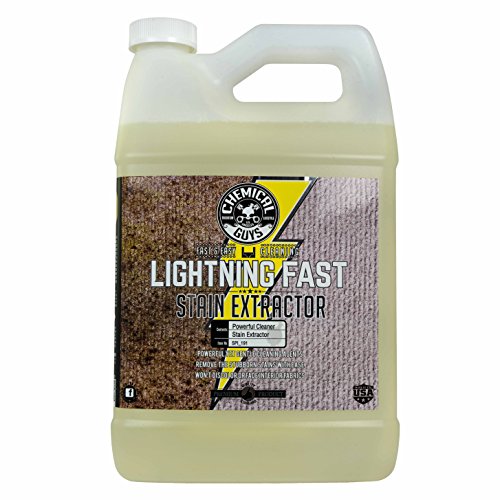
Mix equal parts of vinegar and olive oil in a spray bottle. This natural solution serves as an excellent way to preserve wood pieces, leaving them polished and protected. Lightly spray the mixture onto the surface and wipe with a soft cloth to achieve a shiny finish.
For upholstered items, consider a simple recipe: combine warm water with a few drops of dish soap. Use a soft brush to apply the mixture, gently scrubbing the fabric to lift dirt and stains. Afterward, use a damp cloth to remove excess soap and let it air dry completely.
If you want to remove dust and grime from metal accents, try a mix of baking soda and water. Apply the paste with a soft cloth, then rinse with a clean, damp cloth. This method ensures that your metal components remain free from corrosion and maintain their aesthetic appeal.
Cleaning Techniques for Various Surfaces
For wooden pieces, I mix a solution of equal parts vinegar and olive oil. This natural formula not only adds shine but also nourishes the wood. I apply it with a soft cloth, following the grain, and buff to a luster.
For upholstered seating, I use a mixture of water and mild dish soap. I dampen a cloth with the solution and gently blot the fabric, avoiding soaking it. To refresh the fibers, sprinkling baking soda onto the surface and letting it sit for 15 minutes before vacuuming is effective.


Handling Stains and Marks
For ink marks on surfaces, I dab a cotton swab in rubbing alcohol and gently apply it to the stain. This method often lifts the ink without damaging the finish. For more stubborn stains on fabrics, I create a paste of baking soda and water, applying it directly and letting it dry before vacuuming.
Dust Management Strategies
I regularly use a microfiber cloth for dusting. It traps particles effectively, preventing them from settling elsewhere. For tight spaces, an old toothbrush is great for dislodging dust from crevices and grooves.
Choosing the Right Cleaning Products for Different Materials
I always select products based on the specific material type. Each surface requires unique care to maintain its integrity.
- Wood: For polished surfaces, I use a mixture of water and vinegar in a 1:1 ratio. Avoid anything abrasive. In case of tough stains, a mild soap can be added.
- Upholstery: I check fabric tags for cleaning codes. For water-safe fabrics, a solution of mild detergent and water works well. For upholstery that requires solvent cleaning, I opt for specialized dry cleaning solutions.
- Leather: I apply a dedicated leather cleaner or a mixture of vinegar and olive oil. After cleaning, a leather conditioner protects against cracking and preserves luster.
- Glass: A blend of equal parts water and vinegar produces excellent results. I recommend a microfiber cloth to avoid scratches and streaks.
Ensuring compatibility enhances the longevity of materials and maintains their beauty. When in doubt, prefer a test spot before applying any product extensively.
Step-by-Step Guide to Removing Stains from Upholstery
Act quickly. Blot the stain with a clean cloth to absorb as much liquid as possible without rubbing, which could spread the stain.
Identify the Stain Type
Determine whether the stain is water-based (like coffee or juice) or oil-based (like grease or chocolate). This informs the treatment method.
Use Appropriate Solutions
For water-based stains, mix equal parts of white vinegar and water in a spray bottle. Spray the solution onto the stained area, then blot with a cloth. For oil-based stains, apply a small amount of dish soap mixed with warm water. Use a cloth to apply and blot until the stain lifts.
In persistent cases, consider using a commercial upholstery cleaner specifically designed for the material of your seat. Always test any solution in an inconspicuous area first.
Once the stain is treated, rinse the area with a damp cloth to remove any soap residue. Allow the upholstery to air dry completely.
For stubborn spots, repeat the process or consult with a professional cleaner if the stain remains after several attempts.
How to Safely Clean Wooden Surfaces Without Damaging Finish
Mix equal parts of water and white vinegar in a spray bottle. This solution provides a gentle yet effective option for routine maintenance. Lightly mist the solution onto a soft, lint-free cloth instead of directly onto the wood, preventing excess moisture that can cause warping or swelling.
For tougher spots, create a paste using baking soda and water. Apply a small amount to the stained area, gently rubbing with a soft cloth until the mark lifts. Rinse any residue with a damp cloth and then dry thoroughly to remove moisture traces.
When it comes to polishing, choose a product specifically formulated for wooden surfaces. Test it on an inconspicuous area first to check compatibility with the finish. Apply with a clean cloth, buffing in the direction of the grain to achieve a uniform shine.
Avoid abrasive cleaners, ammonia, or bleach, as they can scratch or strip the finish. Additionally, steer clear of furniture oils that leave greasy residues, attracting dust and dirt over time.
Regularly dust using a dry microfiber cloth to keep surfaces looking their best. For seasonal upkeep, consider using a dedicated wood conditioner designed to nourish the finish without damaging it.
Techniques for Dusting and Maintaining Fabric Furniture
I recommend using a microfiber cloth for effective dusting. The fibers trap dust rather than push it around, ensuring a thorough clean. Dampen the cloth slightly with water or a gentle fabric-safe cleaner for better results.
Regular vacuuming is essential. Equip the vacuum with an upholstery attachment to remove dirt and allergens residing in the fabric. Pay attention to crevices and seams where dust tends to accumulate.
Using a lint roller can be an excellent method for picking up pet hair or lint. Roll it over the surface of the upholstery for quick removal without damaging the fibers.
A homemade solution of vinegar and water in equal parts can be beneficial for routine maintenance. Lightly mist the solution over the fabric and wipe gently with a cloth. This helps refresh the material and eliminates odors.
For more stubborn dust buildup, I suggest using a soft brush. A paintbrush or a soft-bristled brush can lift dust without harming the fabric.
To maintain the integrity of the upholstery, rotate cushions periodically. This practice prevents uneven wear and helps every part of the fabric stay in shape.
| Technique | Description |
|---|---|
| Microfiber Cloth | Traps dust effectively, can be dampened for better results. |
| Vacuuming | Use upholstery attachment for deep cleaning; focus on seams. |
| Lint Roller | Great for quick removal of hair and lint. |
| Vinegar Solution | DIY mix freshens fabric and neutralizes odors. |
| Soft Brush | Helps lift stubborn dust without damage. |
| Cushion Rotation | Prevents uneven wear; maintains shape over time. |
Finally, I avoid using harsh cleaners or chemicals, as they can damage the fabric. Sticking to gentle products will keep the upholstery looking its best.
Cleaning Glass and Metal Furniture: Best Practices
I recommend using a simple solution of warm water and a few drops of dish soap for routine upkeep of glass surfaces. Apply this mixture with a microfiber cloth to avoid scratches. For stubborn smudges, consider a glass cleaner that’s ammonia-free to prevent damage.
For metal items, begin with a damp cloth to remove dust. If there’s tarnishing or grime build-up, a mixture of equal parts vinegar and water can restore shine. Wipe with a soft cloth, then dry immediately to avoid water spots.
A microfiber cloth is ideal for both glass and metal as it won’t leave lint behind. Additionally, avoid abrasive materials, which can cause scratches or dull finishes on delicate surfaces. Always test any cleaning solution on a small, inconspicuous area first to ensure compatibility.
For tougher stains on metal, consider using a paste made from baking soda and water. Apply it directly to the stain, let it sit for a few minutes, then gently scrub with a soft brush before rinsing off and drying.
Regular maintenance keeps surfaces looking pristine. Ensure to clean glass and metal pieces weekly, which reduces the need for deep cleaning methods and preserves the overall appearance.
Regular Maintenance Tips to Keep Your Furniture Looking New
To maintain a fresh appearance, incorporate a weekly dusting routine using a microfiber cloth. This technique effectively removes dust without scratching surfaces.
Routine Care Guidelines
- Vacuum upholstered pieces with a soft brush attachment to eliminate dirt and debris.
- Rotate cushions frequently to promote even wear and extend their lifespan.
- Apply furniture polish to wooden items every few months for added protection against scratches.
Monthly and Seasonal Checks
- Check for loose joints or screws on wooden constructions and tighten as necessary.
- Inspect fabric surfaces for signs of stains or punctures, treating them immediately to prevent permanent damage.
- For leather pieces, apply a conditioner to maintain suppleness and prevent cracking.
Keep drink coasters and mats handy to avoid water rings or heat marks on surfaces. This simple precaution can significantly enhance longevity.


