
 Caleb Turner

For a remarkable outcome, I mix equal parts of warm water and vinegar in a spray bottle. This simple solution effectively lifts dirt and grime without damaging the finish. A soft cloth or sponge works best for applying it gently, ensuring no streaks are left behind.
Implementing a diluted mixture of dish soap and water can tackle more stubborn spots. I use a soft-bristle brush for intricate details, letting the solution sit for a few moments before wiping it away. Following this step, I dry the surfaces thoroughly with a microfiber towel to prevent moisture absorption.
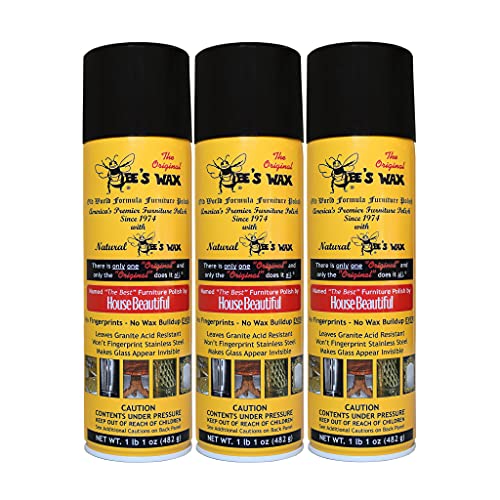
To restore the shine and protect the finish, I apply a natural beeswax-based polish. This not only enhances appearance but also adds a layer of defense against future stains and scratches. Carefully buffing it in with a clean cloth leaves the surfaces looking refreshed and radiant.
Regular maintenance is key. I occasionally dust with a dry cloth or utilize a vacuum with an upholstery attachment to avoid the buildup of dirt. This proactive approach keeps my light-stained pieces looking their best throughout the seasons.
Maintenance for Light-Toned Timber Pieces
Use a damp microfiber cloth to remove dust and debris from surfaces, ensuring not to oversaturate the material. This technique prevents water damage while keeping the finish intact.


For stains, I mix equal parts of vinegar and olive oil. With a soft cloth, I gently rub the solution onto the affected areas, which helps to lift marks without stripping the finish. I always follow with a clean, dry cloth to buff the area and restore shine.
If I notice buildup or grime, a solution of mild soap and water works wonders. I dampen a cloth with the mixture, wipe the surface, and then rinse the cloth with clean water before going over the area again. This ensures no residue is left behind.
To maintain shine and protect the finish, I apply a specialized wax or furniture polish designed for light-stained surfaces. I use a soft cloth, applying the product in small, circular motions for an even coating, followed by buffing it to a gentle luster.
Finally, I check for any signs of wear regularly. Small scratches can be addressed with touch-up pens or markers specifically made for light finishes, carefully applied to avoid noticeable patches.
Preparation Steps Before Cleaning
First, gather all necessary materials: soft cloths, a bucket, mild detergent, and a soft-bristled brush. Ensure you have a suitable workspace; a well-ventilated area is preferable to prevent irritants from lingering.
Next, remove all items from the surface. This includes decorative pieces and any hardware. This step prevents any obstructions while treating the delicate surface.
Check for loose paint or finishes. Gently test by running your fingers over the surface. If peeling is detected, addressing this before the cleaning process is crucial for avoiding further damage.
Organize a workspace. Lay out your cloths and cleaning solution while keeping your tools within reach. A tidy area enables seamless progress.
Consider testing the cleaning agent on a small, inconspicuous section first. Monitor for any adverse reactions or discoloration before proceeding with the entire piece.
Lastly, ensure to protect the surrounding environment. Cover the floor with a drop cloth to catch any drips or residue, safeguarding your flooring or carpets.
| Step | Action |
|---|---|
| 1 | Gather Materials |
| 2 | Remove All Items |
| 3 | Check for Loose Paint |
| 4 | Organize Workspace |
| 5 | Conduct a Patch Test |
| 6 | Protect Surroundings |
Choosing the Right Cleaning Supplies
I prioritize using a mild soap solution or a specialized gentle cleaner designed for delicate surfaces. This ensures I don’t damage the finish. For tougher stains, I opt for natural options like vinegar or baking soda, blended with water for a safe approach. Microfiber cloths are my go-to for wiping; they effectively lift dirt without scratching.
An old toothbrush can be quite handy for getting into crevices and ornate areas. If I encounter particularly stubborn spots, I mix a few drops of dish soap with warm water and apply it gently. I steer clear of abrasive scrubbers, as they can ruin the appearance I’m trying to maintain.
I also keep a bottle of wood conditioner close by. After any cleaning session, applying this product helps nourish the surface and maintain its luster. It’s crucial to avoid harsh chemicals or bleach, as they can alter the finish and lead to permanent damage.
I find that having a small spray bottle helps for easy application of cleaning solutions, allowing me to control the amount used. Additionally, I store everything in a dedicated cleaning kit, ensuring my supplies are organized and ready for use when needed.
Testing a Small Area for Compatibility
I recommend selecting an inconspicuous spot on the item before proceeding with any cleaning technique. Dampen a cloth with your chosen solution, ensuring it’s not overly saturated. Apply it gently to this hidden area and observe how the surface reacts. Look for discoloration, peeling, or changes in texture after a few minutes.
If the test area shows no adverse effects, proceed with confidence to clean larger sections. However, if any issues arise, it’s crucial to adjust your approach or try a different product. Document your findings for future reference, as this will aid in choosing compatible methods for similar pieces. Always prioritize the item’s integrity during the cleaning process.
Application Techniques for Liquid Cleaners
For optimal results, consider these precise methods when working with liquid cleaners on your surfaces:
Direct Application
Applying the cleaner directly is often effective. Use a spray bottle for even distribution, ensuring to hold it 6-8 inches away from the surface.
- Spray a light mist over the area, avoiding saturation.
- Allow the solution to sit for a couple of minutes to break down grime.
- Wipe using a soft microfiber cloth in the direction of the grain.
Damp Cloth Technique
A damp cloth application provides control and minimizes excess liquid. Here’s how to execute it:
- Dip a clean cloth into the diluted solution, ensuring it’s just moistened, not dripping.
- Wipe the surface gently, again following the grain pattern.
- Follow with a dry cloth to remove any remaining moisture.
These methods prevent oversaturation that can damage the finish and help maintain the aesthetic of your items. Always ensure your fabric is free from abrasive materials to avoid scratching.
Adjusting pressure while wiping can also influence the outcome; apply gentle pressure for regular upkeep and more forceful strokes for stubborn spots. This flexibility allows for tailored care based on the condition of each piece.
Removing Stains from White Washed Surfaces
For tough stains on light-toned surfaces, I utilize a paste made of baking soda and water. Apply this mixture directly to the stained area, gently rub it in with a soft cloth, and let it sit for about 10-15 minutes before wiping clean with a damp cloth.
In cases of grease marks, I prefer using a diluted dish soap solution. Mix a few drops of soap with warm water, dampen a microfiber cloth, and lightly scrub the affected area. Rinse with a clean cloth to remove any soap residue.
For ink or marker stains, rubbing alcohol is my go-to. I dab a small amount on a cotton ball and gently blot the stain until it lifts, being careful not to oversaturate the surface.
When dealing with water rings, I use a mixture of equal parts vinegar and olive oil. I apply this blend to a soft cloth and rub the area in the direction of the grain, which can help to diminish the appearance of these marks.
If I encounter sticky residue, using a mixture of equal parts essential oil and vinegar can work wonders. I apply it with a soft cloth, allowing some time for it to penetrate before wiping it away.
| Stain Type | Recommended Treatment |
|---|---|
| Grease | Diluted dish soap solution |
| Ink | Rubbing alcohol |
| Water Rings | Vinegar and olive oil mixture |
| Sticky Residue | Essential oil and vinegar blend |
| General Stains | Baking soda paste |
After removing stains, I ensure to follow up with a light conditioning treatment using a suitable wood oil to help restore luster and protect the finish.
Dealing with Scratches and Marks
To address scratches and marks on your light-colored surfaces, I recommend using a furniture marker that closely matches the finish of the piece. Apply the marker directly to the scratched area, following the wood grain, and gently blend it in with a soft cloth. This approach not only conceals imperfections but can also extend the life of the finish.
Using a DIY Mixture
If the scratches are significant, consider creating a mixture of equal parts vinegar and olive oil. Apply the solution with a soft cloth, rubbing it into the affected area. The vinegar helps to clean the area while the olive oil nourishes the finish, making it appear more uniform. Test this method on a small section first to ensure compatibility with your furniture.
Storing and Protecting
To prevent future scratches, using coasters or fabric placemats is ideal while placing items on these surfaces. Additionally, consider applying a clear wax or a furniture polish that suits the finish. This not only enhances the appearance but also creates a protective layer against potential damages.
Drying and Finishing Touches
After completing the cleaning process, it’s crucial to ensure thorough drying. I recommend using a soft, dry cloth to gently absorb any remaining moisture. This step helps prevent water marks and further damage to the surface.
Drying Techniques
- Leave the surfaces in a well-ventilated area.
- Avoid direct sunlight, which can cause warping or fading.
- Consider using a fan to accelerate air circulation.
Once the surface is dry, I advise inspecting it closely. Look for any missed spots or areas requiring additional attention.
Applying Finishing Products
If desired, I use a suitable finishing product to enhance the appearance. Choose one that complements the existing finish without altering its character. Always follow the manufacturer’s instructions to achieve optimal results.
- Apply a small amount of the product to a clean cloth.
- Gently rub it onto the surface in circular motions.
- Allow it to dry as specified before using the item.
For additional protection, consider applying a layer of wax or polish every few months. This will not only maintain the aesthetic but also provide a barrier against future dirt and stains.
Regular Maintenance Tips for Longevity
I recommend dusting surfaces weekly with a soft, microfiber cloth to prevent buildup. This simple task minimizes scratches and keeps the finish looking fresh.
Using a light coating of a suitable protective wax every few months can enhance the durability of the surface. Apply a small amount with a cloth, let it dry, and buff gently to restore shine.
Avoid placing items directly on surfaces without coasters or mats, as this can lead to rings or impressions. This protection is especially important for items that might sweat or leak.
Humidity control is key; maintain a stable environment to prevent the material from warping or cracking. Using a dehumidifier in damp seasons can help preserve integrity.
If moving items, lift them instead of sliding to reduce friction-induced wear. This preserves not only the finish but also the structure beneath.
Regularly check for loose fittings or joints. Tightening screws helps maintain stability and prolongs the life of your pieces.
Consider avoiding direct sunlight for prolonged periods to prevent fading. Use curtains or UV-filtering film to shield against harsh rays.
Finally, keep an eye on any signs of pests. Early detection can prevent more significant damage. Periodic inspections help ensure lasting beauty and functionality.
FAQ:
What materials are best for cleaning white washed wood furniture?
For cleaning white washed wood furniture, it is advisable to use soft, lint-free cloths, warm water, and a gentle soap solution, such as dish soap. These materials are less likely to damage the finish. Avoid harsh chemicals or abrasive cleaners, as they can strip the wood of its finish and cause discoloration.
How often should I clean my white washed wood furniture?
The frequency of cleaning white washed wood furniture depends on its usage and the environment it’s in. For regularly used items, like chairs or tables, a light cleaning once a week is recommended, while deeper cleaning can be done every few months. If the furniture is located in a dusty area, consider wiping it down more frequently.
Can I use vinegar to clean my white washed wood furniture?
Yes, vinegar can be used to clean white washed wood furniture, but it should be diluted first. A mixture of one part vinegar to three parts water will help remove dirt without damaging the finish. However, it’s wise to test the solution on a small, inconspicuous area first to ensure it doesn’t affect the wood’s appearance.
What should I do if my white washed wood furniture has stains?
If your white washed wood furniture has stains, act quickly. For water stains, try rubbing a mixture of equal parts vinegar and olive oil on the affected area. For tougher stains, sand the area lightly with fine-grit sandpaper and then reapply a white wash finish to blend it in with the surrounding wood.
Is it necessary to apply a protective finish on white washed wood furniture?
Applying a protective finish to white washed wood furniture is not strictly necessary, but it can help prolong the life of the furniture. A clear topcoat or wax can provide additional protection against scratches and stains, making it easier to clean in the future. Make sure to choose a product that is compatible with the white wash finish.


