
 Caleb Turner

To restore the shine of your light-colored surfaces, I recommend using a simple mixture of warm water and mild dish soap. Dampen a microfiber cloth with this solution, ensuring it is not soaking wet, and gently wipe the surface. This combination effectively removes dust and minor stains without causing damage.
For stubborn smudges or marks, a solution of equal parts vinegar and water works wonders. Apply it with a soft cloth, rubbing gently in a circular motion. The acidity in the vinegar breaks down grime, leaving your items looking refreshed. Always rinse with a clean damp cloth afterward to avoid any residue.
To prevent future buildup, consider introducing a regular maintenance routine. A quick wipe with a dry microfiber cloth can eliminate dust and prevent scratches. Additionally, using coasters and placemats can protect your surfaces from potential damage, helping to keep them pristine longer.
When tackling more persistent stains, I find a baking soda paste–made with two parts baking soda to one part water–applied gently can be effective. After a few minutes, wipe it off with a damp cloth, ensuring all residues are removed. This approach is not only safe but also eco-friendly.
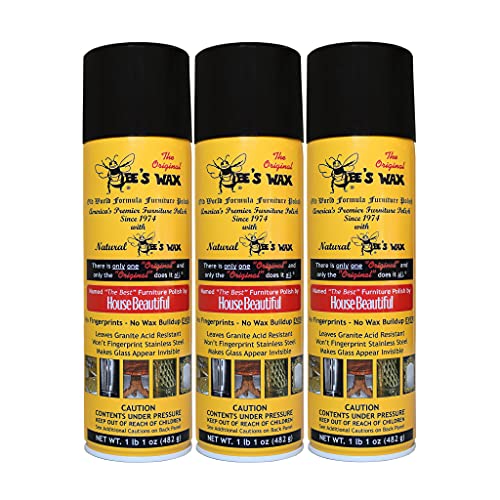


Cleaning Tips for Bright Furniture Surfaces
I use a mixture of warm water and mild soap for everyday upkeep. I recommend using a soft microfiber cloth to gently wipe down surfaces without scratching.
For stubborn stains, I apply a paste made from baking soda and water directly to the affected area. I let it sit for a few minutes before gently scrubbing with a damp cloth.
If I encounter marks from ink or other difficult substances, a small amount of rubbing alcohol on a cotton ball works wonders. I dab it onto the stain and then wipe clean with a damp cloth.
To maintain a glossy finish, I often use a dedicated polish formulated for synthetic materials. A light mist followed by a buff with a soft cloth leaves surfaces shiny and streak-free.
After cleaning, I always ensure the surfaces are thoroughly dried to avoid moisture-related damage. A final dry wipe with a clean, dry cloth prevents water spots.
I find it helpful to avoid abrasive cleaners or tools, as they can lead to scratches. Sticking to gentler methods ensures the longevity of my bright surfaces.
Understanding the Composition of White Laminate Furniture
Recognizing the materials behind your furnishings is key to their care. Most often, these surfaces are made from a combination of particleboard or MDF (medium-density fiberboard) topped with a layer of synthetic resin-impregnated paper. This construction helps achieve a sleek appearance while being cost-effective.
Here are some components commonly found in these products:
- Core Material: Typically, furniture features particleboard, which is made of wood chips, sawmill shavings, and adhesives, forming a dense structure.
- Laminating Layer: This consists of a melamine resin overlay, providing durability and a smooth finish.
- Finishing Resins: Additional coatings might enhance water resistance and scratch protection, contributing to longevity.
This layered approach results in a lightweight yet sturdy item. Understanding these materials informs how I handle maintenance and dealing with stains or scratches effectively, ensuring the aesthetics of my décor remain intact.
Preparing Your Cleaning Materials for Laminate Care
Gather a microfiber cloth, as it effectively traps dust and minimizes scratches. Choose one that’s soft and non-abrasive to avoid damaging surfaces. A bucket or spray bottle will be necessary for mixing your solution. I find that a simple mix of warm water and a few drops of mild dish soap works wonders. Make sure to avoid harsh chemicals or abrasive cleaners that can lead to discoloration.
Additional Supplies
Keep on hand a soft sponge to provide gentle scrubbing for stubborn marks. A sponge with a non-scratch side is ideal if deeper cleaning is required. Additionally, have an old toothbrush or a small soft-bristle brush to reach into crevices and corners where dirt accumulates.
Safety Gear
It’s wise to use rubber gloves when handling cleaning solutions to protect your skin from irritation, especially if you might add any eco-friendly disinfectants or vinegar to your mix. Lastly, ensuring you have good ventilation in the area will help maintain a fresh atmosphere while working on your surfaces.
Step-by-Step Guide to Removing Stains from Laminate
First, gather your supplies: a sponge, microfiber cloth, warm water, mild detergent, baking soda, and white vinegar. This combination will effectively target various marks.
Begin with mild detergent. Mix a few drops with warm water, soak the sponge, and gently scrub the stained area. This often lifts light spots.
For stubborn marks, create a paste using baking soda and water. Apply it directly to the stain, let it sit for 10-15 minutes, then scrub softly with the sponge. Rinse with a damp cloth.
If grease or sticky residue persists, white vinegar works well. Dampen a cloth with vinegar and wipe the area. Rinse afterward to avoid residue left by the vinegar.
For ink stains or permanent marks, a small amount of rubbing alcohol on a cloth can help. Always test it in an inconspicuous area first to prevent any damage.
After treating, dry the surface using a clean microfiber cloth to avoid moisture accumulation. Regular maintenance prevents stains from becoming a permanent issue.
Daily Cleaning Routines to Maintain White Laminate
I recommend starting each day with a simple dusting process. Use a microfiber cloth or a soft duster to gently remove dust and debris. This prevents particles from scratching the surface during routine use.
Quick Spot Check
During your daily routine, perform a brief visual inspection for any spills or marks. Addressing these immediately saves time and effort later. For minor spots, a damp cloth with warm water is sufficient. If residue remains, a gentle soap solution can help.
Weekly Maintenance Tasks
Once a week, I suggest a deeper clean. Mix a mild detergent with water, apply it using a soft cloth, then wipe with a dry towel to prevent water damage. This method keeps surfaces looking new while removing any accumulated grime.
After cleaning, applying a laminate polish can create a protective barrier against scratches and stains. Make sure the product is suitable for your specific surfaces.
Staying vigilant with daily and weekly tasks simplifies long-term upkeep, preserving the appearance of your items effortlessly.
Avoiding Common Mistakes When Cleaning Laminate Surfaces
Using excessive moisture is a frequent error. I opt for a damp cloth instead of soaking the surface, preventing water damage and warping. Always wring out the cloth to avoid lingering wetness.
Choosing harsh chemicals can harm the finish. I stick with mild detergents, avoiding bleach or ammonia, which can degrade the protective layer. Vinegar can be effective, but it’s wise to dilute it with water to lessen its acidity.
Scrubbing Too Hard
I remind myself to be gentle. Abrasive pads can scratch the surface, leading to permanent damage. Soft microfiber cloths work well for both dusting and tackling stains without risk.
Ignoring Drying
After wiping the surface, I make it a point to dry it thoroughly with a clean, dry cloth. Leaving moisture can lead to unsightly streaks or water marks, so I never skip this step.
Finally, overlooking regular maintenance is a mistake. I incorporate light dusting and spot checks into my routine to prevent buildup, ensuring that my surfaces remain in excellent condition.
Restoring Shine to Dull Surfaces
Mix equal parts of distilled white vinegar and water in a spray bottle. Spray the solution onto a microfiber cloth rather than directly on the surface to prevent excess moisture. Wipe in circular motions, applying gentle pressure to lift any dullness.
Using Commercial Products
Consider specialized polishes designed for engineered materials. Apply the product according to the manufacturer’s instructions, focusing on small sections at a time to ensure even coverage.
Add Shine with Homemade Solutions
- Combine olive oil and lemon juice in a 2:1 ratio. This natural concoction can rejuvenate and impart a subtle gloss.
- Use a small amount of baby oil on a clean cloth for an added sheen. Remember, less is more; over-application can lead to a sticky residue.
Avoid abrasive pads or harsh chemicals that can scratch or damage the surface. Regular maintenance can significantly prolong the shine, making periodic treatments more effective.
Ensure the area is well-ventilated during the process to facilitate drying and to disperse any strong odors from cleaning agents.
Protective Measures to Prevent Future Damage on Laminate
Using coasters under drinks is a simple yet effective strategy to prevent moisture rings and stains. I always keep a set nearby to avoid accidental spills.
Investing in mats or pads, especially for high-traffic areas, can significantly reduce scratches and wear, particularly from heavy items. Placing these aids under appliances and other regularly used items has made a noticeable difference in maintaining surfaces.
Regular placement of felt pads on the bottom of furniture legs protects against scratches when moving items. This small adjustment greatly enhances longevity.
Direct sunlight exposure can lead to fading. I recommend using curtains or blinds to shield surfaces during peak sunlight hours, preserving color and finish.
Avoid using harsh chemicals or abrasive cleaners on surfaces. Opting for pH-balanced cleaners helps maintain the integrity of the finish. Check labels before purchasing to ensure compatibility.
Consider applying a surface sealant designed for synthetic materials to create an additional layer of protection. This can help to repel stains and enhance resistance to damage.
Staying proactive about maintenance routines keeps the appearance fresh. I recommend inspecting surfaces regularly for signs of wear or damage and addressing them immediately.
| Preventive Measure | Benefit |
|---|---|
| Use Coasters | Prevents moisture rings and stains |
| Implement Mats/Pads | Reduces scratches and wear |
| Felt Pads on Furniture Legs | Prevents scratches from movement |
| Utilize Curtains/Blinds | Reduces sun-related fading |
| Choose pH-Balanced Cleaners | Maintains surface integrity |
| Apply Surface Sealant | Enhances stain resistance |
| Regular Inspections | Addresses wear or damage early |
FAQ:
What are the best cleaning products for white laminate furniture?
For cleaning white laminate furniture, it is best to use a mild detergent or all-purpose cleaner that is specifically designed for laminate surfaces. You want to avoid abrasive cleaners or scrubbing pads, as these can damage the finish. A mix of warm water and vinegar can also be effective. Always test a small, inconspicuous area first to ensure compatibility.
How can I remove stains from white laminate furniture?
To remove stains from white laminate furniture, start by mixing a solution of warm water and dish soap. Gently rub the stained area with a soft cloth. For tougher stains like ink or marker, dampen a cloth with rubbing alcohol and blot the area carefully. Avoid using excessive force, as this could scratch the laminate surface. After cleaning, wipe the area with a dry cloth to prevent moisture accumulation.
Is it safe to use bleach on white laminate furniture?
Using bleach on white laminate furniture is not recommended. While it can whiten surfaces, it may also cause discoloration or damage to the laminate finish over time. Instead, opt for milder cleaning solutions specifically meant for laminate materials to maintain the furniture’s appearance and integrity.
How often should I clean my white laminate furniture?
Cleaning your white laminate furniture ideally should be done every few weeks, or more frequently if the furniture is used heavily or in a high-traffic area. Regular dusting with a microfiber cloth will help prevent dirt buildup. For deeper cleaning, a mild detergent solution can be applied as needed to keep the surface looking fresh and new.
Can I polish white laminate furniture to maintain its shine?
Polishing white laminate furniture is generally not necessary and can sometimes lead to a slippery surface. Instead, maintain its shine by regularly cleaning with a damp cloth and a mild cleaning solution. If you want to enhance the shine, there are laminate-safe polishes available, but be sure to follow the manufacturer’s instructions to avoid any damage.
What is the best way to clean white laminate furniture?
To clean white laminate furniture, gather a few basic supplies: a soft cloth, mild dish soap, and water. Begin by mixing a small amount of dish soap with warm water. Dampen the cloth with this solution and wipe down the surface of the furniture gently, ensuring not to soak it. For tougher stains, a mixture of equal parts vinegar and water can be effective. After cleaning, use a dry cloth to wipe away any excess moisture. This method helps maintain the shine and quality of the laminate without causing damage or discoloration.


