
 Caleb Turner
If you’re looking to restore the charm of a piece that has lost its shine, focus on a few simple techniques that don’t require extensive labor. Use a mixture of warm water and mild soap to lift dirt and grime. A soft cloth or sponge will help you get into those intricate areas without damaging the surface.
For scuffs and minor scratches, a paste made from baking soda and water can work wonders. Gently rub the mixture onto the blemish with a soft cloth, then buff it out for a smooth finish. This method not only enhances the appearance but is also cost-effective.


To maintain the integrity of aged surfaces, consider applying a natural wax or a furniture polish. These products can provide a protective layer, shielding against dust and minor moisture while highlighting the original color and grain.
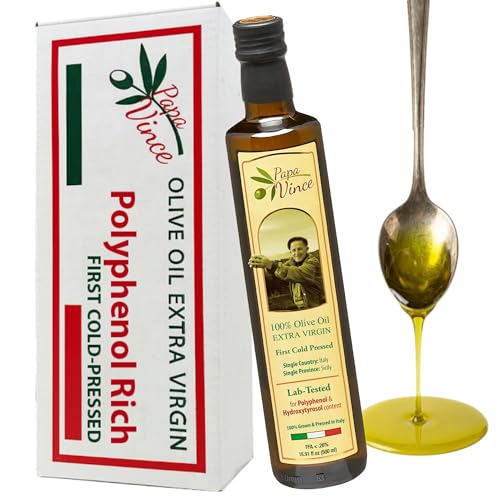
If you encounter stubborn stains, a blend of vinegar and olive oil can act as an excellent remedy. Apply the solution with a cloth, letting it sit for a few minutes before wiping it away for a refreshed look that’s free from harsh chemicals.
Revitalize Antique Pieces
I begin with a mixture of warm water and a few drops of mild dish soap. This solution works wonders for removing dirt and grime. I use a soft cloth, dampening it slightly with the soapy water, then gently wipe surfaces to lift away debris. For stubborn stains, I apply a paste of baking soda and water. With light pressure, I rub the paste onto the affected area, allowing it to sit for a few minutes before wiping clean.
Natural Polish for Shine
A blend of olive oil and vinegar serves as an excellent natural polish. I typically use a ratio of 1:1. After mixing, I apply it with a clean, soft cloth, buffing in circular motions. This not only enhances the luster but also conditions the wood, keeping it looking fresh.
Addressing Scuffs and Scratches
To tackle scuffs, a simple walnut can do the trick; rubbing the meat of the nut directly onto scratches helps fill them in. Alternatively, a marker that matches the finish can conceal imperfections. For deeper scratches, I choose to employ a wood filler that matches the piece’s color and texture.
Assessing the Condition of Your Furniture
Begin by thoroughly examining every surface for signs of wear and tear. Look for scratches, dents, or stains that may require special attention. Pay close attention to areas that see frequent use, as these spots often show more damage.
Testing Stability
Gently rock the piece to check for wobbling or instability. If it feels unsteady, investigate further to identify loose joints or weakened structural components. Tightening screws or using wood glue can often resolve these issues.
Identifying Materials
Determine the material used. Different substances require varied care methods. For example, solid wood may need different cleaning techniques compared to laminate or upholstered materials. Knowing the exact composition aids in choosing the best approach.
| Condition | Action |
|---|---|
| Scratches | Use a touch-up marker or wax filler |
| Dents | Apply moisture and heat to restore shape |
| Stains | Utilize a suitable cleaner based on material |
| Wobbly Legs | Tighten screws or secure with wood glue |
Document any observed issues to track progress after applying different techniques. This methodical assessment will provide a clear direction for your restoration efforts, ensuring you focus on the most pressing concerns first.
Gathering the Right Cleaning Supplies
I recommend assembling the following items for an efficient cleaning session:
- Microfiber Cloths: These trap dust and dirt effectively without scratching surfaces.
- Mild Soap: Use a gentle dish soap mixed with warm water; it works well on most surfaces.
- White Vinegar: A natural disinfectant that helps remove grime and odors.
- Olive Oil: Excellent for conditioning wood, adding a subtle shine.
- Soft-Bristled Brush: Ideal for getting into crevices without causing damage.
- Spray Bottle: Perfect for mixing solutions and applying them evenly.
- Baking Soda: Works as a gentle abrasive for tough stains and can neutralize odors.
Each of these items contributes to a thorough clean while maintaining the integrity of the piece. Prepare these supplies before starting to ensure a smooth process.
Removing Dust and Loose Debris
To tackle dust and loose particles, I recommend using a soft, microfiber cloth. It attracts and holds onto dust efficiently. Begin by folding the cloth into quarters for better control, and gently wipe across surfaces, ensuring to reach corners and crevices where debris accumulates.
Vacuuming for Thoroughness
A vacuum cleaner equipped with a brush attachment is invaluable for eliminating dust from intricate areas like upholstery or carved sections. I run the vacuum over these spots to lift away particles without damaging the material. Adjusting to a low suction setting can prevent any potential harm.
Addressing Hard-to-Reach Areas
For nooks and crannies, I find a soft-bristle paintbrush effective. This tool allows me to dislodge dust that’s settled in hard-to-reach areas. After brushing, I use the microfiber cloth to capture any remaining particles, ensuring that surfaces are fresh and tidy.
Choosing the Appropriate Cleaning Solution
Select a solution based on the material of the item. For wood surfaces, I often opt for a mixture of mild dish soap and water. This combination effectively removes grime while being gentle on the finish. I recommend testing it on a small, inconspicuous area first to ensure it doesn’t alter the appearance.
If the piece is upholstered, I prefer a fabric cleaner specifically designed for the type of material. An all-purpose upholstery cleaner works well on most synthetic fabrics. For natural fibers, a mixture of white vinegar and water helps combat odors and mild stains. Again, I test this on a hidden spot to confirm compatibility.
For metal components, a simple solution of vinegar and water effectively tackles rust and tarnish. Applying it with a soft cloth prevents scratching while ensuring thorough results. I refrain from using harsh chemicals, as they can damage the finish and create corrosion.
Glass parts benefit from a standard glass cleaner or a homemade version of equal parts vinegar and water. This effortlessly removes smudges and provides a streak-free shine. I make sure to apply it with a microfiber cloth for the best results.
In any case, I ensure that the solution is well diluted. Concentrated detergents may leave residues or react adversely with the surface materials. Always prioritize gentle, natural ingredients whenever possible, allowing the charm of the piece to shine through without harsh interventions.
Applying the Cleaning Solution Safely
Before applying any cleaning mixture, I ensure the work area is well-ventilated by opening windows and using fans if necessary. This minimizes any lingering fumes and maintains a breathable environment. Wearing gloves protects my skin, while a mask keeps harmful particles at bay.
I follow strict safety guidelines for handling the mixture. Using a small, inconspicuous area on the piece first lets me test the solution. If discoloration or damage occurs, I know to reconsider my approach.
| Safety Measure | Description |
|---|---|
| Ventilation | Open windows and use fans to disperse fumes. |
| PPE | Wear gloves and a mask for personal protection. |
| Patch Test | Apply the solution in a concealed area first. |
| Proper Storage | Keep cleaning supplies away from children and pets. |
Using a microfiber cloth to apply the solution reduces the risk of excess liquid pooling, which can lead to damage. I gently rub in the solution, following the wood grain to maintain the finish. Afterward, I allow the item to dry completely in the same ventilated space.
Dealing with Stains and Scuffs
I suggest tackling marks by first identifying the type of stain. Watermarks can often be lifted with a mixture of equal parts vinegar and olive oil. Rub gently with a soft cloth, following the grain of the wood.
For grease or oil spots, sprinkle baking soda over the area and let it absorb the residue for a few hours. Wipe away with a damp cloth and repeat if necessary until clean.
If scratches are an issue, use a walnut to fill them. The natural oils in the nut will help conceal minor imperfections. Simply rub the nut over the scratch until it blends in.
For scuff marks from shoes or other surfaces, a simple eraser may work wonders. Gently rub the scuff until it disappears, but avoid excessive pressure to prevent damage.
For deeper marks, consider a homemade paste of baking soda and water. Apply it to the affected area, let it sit for about 10 minutes, and then buff with a soft cloth.
Keep in mind that testing any solution in an inconspicuous area is wise to ensure compatibility with your piece. Proceed with caution to maintain its integrity.
Regular maintenance can also prevent these issues from worsening. Light dusting and quick attention to spills can go a long way in keeping surfaces looking their best.
Polishing for a Fresh Look
To revive the appearance of vintage pieces, I recommend using an appropriate polish. Choose a product specifically designed for the type of material, whether it be wood or metal. Here’s a step-by-step guide:
- Test the polish on a small, inconspicuous area first to check for reactions.
- Use a clean, soft cloth to apply the polish, working in small sections.
- Gently rub in circles to avoid streaks, ensuring even coverage.
- Allow the polish to sit for a few minutes, giving it time to penetrate the surface.
- Buff with a separate clean cloth to create a shine, using moderate pressure.
For wooden surfaces, I prefer using a beeswax-based product to enhance the natural grain. Apply it sparingly to prevent buildup.
For metal accents, a silicone-based polish provides a nice sheen and adds a layer of protection against tarnishing.
Repeat this process periodically to maintain the refreshed look and guard against wear and tear.
Keep a microfiber cloth handy for quick touch-ups that will keep the surfaces looking their best.
Protecting the Surface After Cleaning
After tidying up the surfaces, ensuring longevity is key. Applying a protective layer shields against future damage.
- Choose a Quality Wax: Natural beeswax or carnauba wax offers a durable finish. Apply thin layers for a subtle shine.
- Consider Furniture Oil: Use mineral or tung oil to nourish the wood. These penetrate deeply, helping to maintain moisture balance.
- Regular Maintenance: Schedule periodic dusting and reapplication of wax or oil. This keeps surfaces looking pristine and extends their lifespan.
- Avoid Moisture and Heat Sources: Keep items away from direct sunlight or heating vents. This prevents warping or fading.
- Use Coasters: Protect surfaces from water rings and heat marks by using coasters under drinks and hot items.
By implementing these strategies, I can significantly enhance the durability of the pieces while preserving their character. Regular attention makes a noticeable difference in maintaining their appeal.
Maintaining Clean Furniture Over Time
To extend the life of my possessions, I prioritize a routine maintenance schedule. Regularly dusting surfaces can prevent residue buildup that may require harsher treatments later.
Establish a Cleaning Schedule
- Dust weekly to avoid accumulation.
- Wipe surfaces with a damp cloth monthly to refresh the look.
- Inspect for any signs of wear or damage during each cleaning session.
Utilize Protective Measures
- Consider using coasters to prevent rings from drinks.
- Employ tablecloths or runners on surfaces that often see food or drink.
- Install felt pads under vases or décor to protect finishes from scratches.
By implementing these strategies, I can keep my investments looking appealing and functional for years. Addressing minor issues promptly avoids larger problems that result from neglect.


