
 Caleb Turner
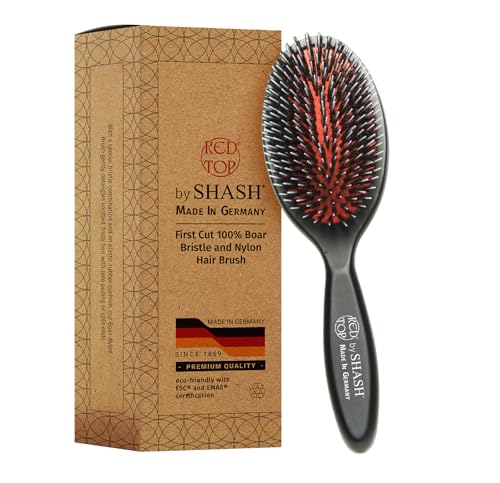
I recommend gathering a few basic tools before tackling the task of restoring your upholstery. A soft-bristle brush and a clean cloth will be your primary allies in this endeavor. Additionally, having a bottle of specialized cleaner formulated for delicate textiles on hand can make a significant difference. Start by gently brushing the surface to lift any dirt and debris, being careful not to damage the fibers.
For stains, a light dabbing approach is crucial. Apply a small amount of the cleaner to a cloth and test it on an inconspicuous area first. This step ensures that the material responds well without discoloration. Once you’re satisfied with the results, gently blot the stained area, allowing the cleanser to work its magic.


Afterward, let your upholstery dry naturally. Avoid direct sunlight or heat sources, as they can warp the texture. Finally, giving your piece a final brush can revive its original look and feel. Regular maintenance will keep your seating looking fresh and inviting.
Steps for Restoring your Upholstery
I advise you to tackle minor stains using a soft-bristled brush or a specialized suede brush. This method helps revive the texture without causing damage. Gently rub the affected area in circular motions to lift the fibers.
For tougher marks, a mixture of water and white vinegar can be effective. Dampen a clean cloth with this solution and blot the stain, avoiding saturation. Follow up with the brush after it dries to restore the look.
If the surface has begun to show wear, applying a suede protector will help prevent future stains. After cleaning, wait for the item to completely air dry before applying the spray.
For an overall refresh, lightly steam the material from a safe distance. This helps release any trapped dirt and restores the natural appearance. Use a clothes steamer or the steam setting on an iron, making sure not to get too close.
Monthly maintenance includes regular brushing to remove dust and debris. This keeps the fibers looking plush and minimizes the buildup of dirt.
Gather Necessary Cleaning Supplies for Suede
I recommend collecting the following items to tackle the maintenance of your upholstered items effectively. First, a soft-bristle brush is crucial for lifting dirt while preserving the texture. A rubber eraser specifically designed for delicate fabrics can be handy for spot treatment of stains. Additionally, having a lint roller or adhesive tape allows for easy removal of lint and hair.
It’s wise to have a dedicated suede cleaner on hand; ensure it’s specifically formulated for this type of material. For general upkeep, a white cloth will help with any liquid spills or stains that may arise. Lastly, a spray bottle filled with distilled water can assist in lightly dampening the surface during treatment. Gather these tools to ensure a successful cleaning process.
Test Cleaning Solution on a Hidden Area
Before applying any chosen mixture on the visible surfaces, I always check its compatibility with the material by testing it in a discreet spot. I select a section that is less noticeable, such as the underside of a cushion or the backrest. I dampen a clean, white cloth with the solution and gently blot the area. After a few minutes, I inspect the spot for any discoloration, texture change, or adverse reaction. If everything appears normal, I proceed confidently to treat the larger areas. If not, I adjust the formula or look for a different cleaning agent that is safe for the texture.
Remove Loose Dirt and Debris from Suede
I recommend starting with a soft-bristle brush to gently lift dirt and debris from the surface. Always brush in the same direction to prevent damaging the fibers. Make sure to use a clean brush specifically designed for delicate materials.
Tools Needed
| Tool | Purpose |
|---|---|
| Soft-Bristle Brush | To lift away dirt and maintain texture |
| Lint Roller | To pick up smaller particles |
| Vacuum with Soft Attachment | To remove bigger debris without damaging |
If there are stubborn particles, a lint roller can effectively pick them up without risk. For larger areas, using a vacuum cleaner with a soft attachment ensures a thorough approach while safeguarding the material. Avoid any attachments that may scratch or pull fibers.
Maintenance Tips
<p-Regularly brushing helps prevent the buildup of debris, ensuring the material stays in good condition. Additionally, consider keeping it covered when not in use to minimize exposure to dust and dirt.
Use Suede Brush for Deep Cleaning
For thorough maintenance, utilizing a dedicated brush specifically designed for this kind of material is crucial. These brushes effectively lift dirt and refresh the nap, restoring its soft texture.
Steps for Effective Brushing
- Select a brush with soft bristles to avoid damaging the fibers.
- Gently brush in one direction to prevent matting and ensure a smooth surface.
- Use short strokes to address stained areas before moving to larger surfaces.
Regular brushing not only helps maintain appearance but also prevents dirt buildup, making it easier for other cleaning methods to be effective in the future.
After Brushing Care
- Inspect the item for any spots that might need additional treatment.
- Consider using a cloth to wipe away any remaining dust.
This practice enhances longevity and preserves the natural beauty of the material.
Address Stains with Appropriate Techniques
To effectively manage stains, it’s important to act quickly. Identify the type of stain before choosing a method. For liquid spills, blot the area immediately with a clean, dry cloth. Avoid rubbing, as this can spread the stain.
Removing Oil-Based Stains
For oil-based stains, sprinkle cornstarch or baking soda over the affected area. Allow it to sit for several hours or overnight. The powder will absorb the oil. Afterward, gently brush away the powder with a soft bristle brush.
Handling Water-Based Stains
To treat water stains, use a damp cloth to lightly dab the area. Follow this by applying a suede eraser or a similar tool to restore the texture. If necessary, repeat the process until the stain fades. Avoid saturating the material, as excess moisture can lead to damage.
Maintain Upholstered Pieces After Cleaning
Regular maintenance ensures longevity and appearance. Here are specific steps to follow:
1. Brush Regularly
- Utilize a suede brush to gently remove any surface dust or dirt.
- Brush in one direction to prevent fiber matting.
2. Protect from Elements
- Position away from direct sunlight to prevent fading.
- Keep away from heat sources like radiators or vents that may dry out fibers.
3. Rotate and Rearrange
- Rotate cushions and pillows periodically to ensure even wear.
- Change furniture placement to minimize uneven sunlight exposure.
By following these guidelines, I maintain the luxurious texture and appearance of the material over time.


