
 Caleb Turner
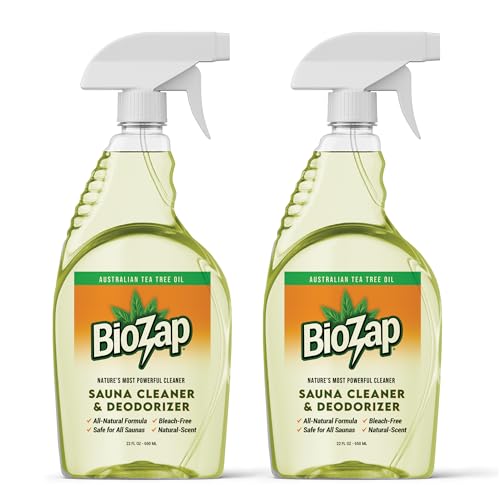
Begin with a solution of equal parts water and vinegar. This mildly acidic mixture will neutralize odors while being gentle on finishes. Use a soft cloth to apply the solution, ensuring you don’t saturate the surface. Wipe gently, particularly in areas where smells linger.
For persistent issues, consider baking soda. This natural deodorizer can be sprinkled directly onto surfaces or placed in an open container within drawers and cabinets. Leave it for several hours, allowing it to absorb unwanted scents, then vacuum or dust it away carefully.


If a deeper cleanse is needed, a mixture of olive oil and lemon juice works wonders. Combine three parts olive oil with one part lemon juice and apply it sparingly. This not only combats odors but also nourishes the wood, enhancing its natural beauty.
Finally, ensure adequate ventilation to keep fresh air circulating around your items. Open windows or use fans to help expel any residual scents. Regular dusting and proper maintenance can prevent the reoccurrence of odors, keeping your cherished pieces smelling fresh.
Maintenance of Odorous Timber Pieces
Apply a solution of equal parts white vinegar and water using a soft cloth. Wipe the surface gently to neutralize unpleasant aromas.
For stubborn odors, sprinkle baking soda directly onto the affected areas and let it sit for several hours or overnight. Vacuum the residue thoroughly afterwards.
In case of dampness, use a fan to circulate air around the structure and speed up drying. Ensure the environment is well-ventilated to avoid mold growth.
Consider using essential oils, such as lemon or lavender, mixed with water. Lightly spritz the liquid onto the item, allowing it to sit for a short period before wiping away with a clean cloth.
Monitor temperature and humidity levels in storage locations, aiming for a balanced environment to prevent future issues.
Regular polishing with a suitable product can create a protective barrier, reducing the likelihood of persistent odors in the long term.
Identifying the Source of the Odor
First, assess the potential origins of the unpleasant scent by checking for moisture accumulation. Inspect joints, corners, and areas that often trap humidity. This might indicate water damage or mold growth.
- Examine the underside: Look for signs of dampness or stains where surfaces meet the floor.
- Inspect storage areas: Any items stored inside might harbor mold or mildew. Remove all contents and let the space air out.
Next, consider the cleaning products previously used. Harsh chemicals can lead to lingering odors. If older polishes or waxes were applied, they may have absorbed odors over time.
- Test for residues: Wipe down surfaces with a damp cloth to see if any residue remains.
- Inquire about previous treatments: If you acquired the piece second-hand, ask the previous owner about any cleaning solutions used.
Lastly, evaluate the environment. Proximity to cooking areas or pets can contribute to persistent smells. Check for items that may need immediate attention, like spillage or food residue.
When in Doubt
If the source remains elusive, a more thorough inspection may be required. Consider utilizing a moisture meter to detect hidden dampness or enlisting a professional for a comprehensive evaluation.
Choosing the Right Cleaning Solutions
Opt for natural options like vinegar and baking soda for neutralizing odors. These ingredients are safe and effective while avoiding harsh chemicals.
Use a solution of equal parts water and white vinegar. Spray lightly on a cloth and wipe surfaces. This method not only deodorizes but also disinfects.
Baking soda, a powerful odor absorber, can be used directly. Sprinkle it on the affected areas, let it sit for a few hours, and then vacuum it up for a refreshed scent.
Commercial products can be beneficial as well. Look for those specifically designed for your materials. Read labels carefully; avoid solutions with aggressive solvents that might damage the finish.
For tougher situations, enzyme-based cleaners work effectively. They break down organic compounds causing unpleasant scents. Always perform a spot test to prevent damage.
Mix a few drops of essential oils with any cleaning solution for a pleasant fragrance. Options like lavender or lemon can create a fresh atmosphere while cleaning.
Avoid using bleach or ammonia-based products. These can create more issues by interacting negatively with wood finishes and may not eliminate the root cause of the odor.
Lastly, ensure that any product used is well-rinsed or wiped off to prevent residue buildup, which can lead to future odors.
Preparing the Furniture for Cleaning
Remove any items from the surface to avoid obstruction. This includes books, decorations, and other personal belongings.
Dust the pieces thoroughly with a soft, dry cloth to prevent particles from mixing with the cleaning solutions.
Inspect the surfaces for any loose parts or damages. Tighten screws and repair minor nicks before proceeding.
Consider placing the items in a well-ventilated area, if possible. Fresh air circulation helps in the overall renewal process.
Gather your tools and materials:
- Soft cloths
- Sponges
- Bucket
- Cleaning solutions
- Protective gloves
Ensure that the workspace is well-lit to locate any areas needing special attention. This preparation sets the stage for an effective treatment session.
Checking for Water Damage
Inspect for any signs of water damage or warping. It’s crucial to identify these issues before attempting any cleaning methods.
Testing on a Hidden Area
Conduct a patch test on an inconspicuous part. This ensures that the cleaning solution won’t adversely affect the finish. Wait for a few minutes to observe any reactions.
Cleaning the Surface of Wood Furniture
I recommend using a soft, lint-free cloth to gently wipe the surface. A microfiber cloth is especially effective for trapping dust and grime without scratching the finish.
For tough stains, I prepare a mixture of equal parts water and white vinegar. Dampen the cloth with this solution, ensuring it’s not overly wet, and gently rub the stained area. Rinsing with a clean, damp cloth afterward helps remove any residue.
An alternative is to use a specialized wood care product. These solutions often include oils that nourish the surface as they clean, restoring luster while minimizing any lingering odors.
Always test any cleaning solution on an inconspicuous area before proceeding. This helps ensure compatibility with the finish and prevents potential damage.
After cleaning, apply a quality wood polish to maintain shine and protect the surface. Use a fresh cloth and buff in the direction of the grain for optimal results.
Dealing with Stains and Discoloration
For stubborn marks on your surfaces, I recommend a targeted approach. First, identify the type of stain: water rings, grease, or ink may require different treatments. Begin with a gentle cleaner suitable for your specific material to avoid further damage.
Solutions for Common Stains
| Stain Type | Suggested Treatment |
|---|---|
| Water Rings | Apply a mixture of equal parts olive oil and white vinegar using a soft cloth. Buff gently until the ring disappears. |
| Grease Marks | Sprinkle baking soda on the stain and let it sit for 15 minutes. Wipe with a damp cloth to lift the grease off. |
| Ink Stains | Use rubbing alcohol on a cotton ball and gently dab the stain. Avoid rubbing, as it can spread the ink. |
If discoloration persists, consider a wood conditioner or polish that matches the original finish. Test any product on an inconspicuous area first to ensure compatibility. Patience and careful application can restore the original appearance effectively.
Using Natural Remedies for Odor Removal
I recommend using baking soda as a first step when dealing with unpleasant scents. Sprinkle a generous amount directly onto the surface and let it sit for 15-30 minutes to absorb odors. Then, wipe off with a damp cloth, and the area should smell fresher.
Citrus Solutions
Mix equal parts water and vinegar, then add lemon juice for an uplifting scent. This mixture not only helps with odor neutralization but also offers a refreshing fragrance. Apply it using a soft cloth, ensuring to avoid excessive moisture that can affect the finish.
Essential Oils
Introduce essential oils into the mix for a pleasant aroma. Tea tree, lavender, or eucalyptus oils are excellent choices. Just add a few drops to your cleaning solution. This not only combats unwanted smells but also imparts a soothing scent.
Activated charcoal can be a powerful ally as well. Place small bags or bowls of activated charcoal near the affected item to absorb lingering odors over time. This method requires patience but is efficient for persistent issues.
Regularly airing out the area can also help in reducing odors. Open windows and doors to promote airflow, and consider placing the item outside for a few hours when weather permits. Natural sunlight can work wonders in refreshing and sanitizing surfaces.
Applying a Protective Finish After Cleaning
After eliminating odors from your cherished pieces, I recommend applying a protective finish to enhance their longevity and maintain their aesthetic appeal. This step not only seals in the freshness but also provides a barrier against future damage and stains.
Types of Protective Finishes
Choosing the right finish is crucial. I typically consider the following options:
| Finish Type | Description | Application Method |
|---|---|---|
| Oil-Based Polyurethane | Offers durability and a rich amber tone. | Apply with a brush in thin layers, allowing drying time between coats. |
| Water-Based Polyurethane | Dries quickly, with a clear finish that maintains natural color. | Use a synthetic brush for smooth application to avoid bubbles. |
| Lacquer | Creates a hard, glossy finish but requires proper ventilation during application. | Spray application allows for an even coat; multiple layers enhance gloss. |
| Paste Wax | Provides a softer finish that is easy to apply and reapply. | Rub on with a cloth and buff to achieve shine. |
Application Tips
I always ensure the surface is fully dried before applying any finish. Using a clean, lint-free cloth helps achieve a smooth layer without contaminants. It’s advisable to work in a well-ventilated space and follow the manufacturer’s instructions for each product to ensure optimal results.
After the first coat, I inspect the surface for evenness. If necessary, light sanding between layers can enhance adhesion and finish quality. Allow sufficient curing time as indicated on the finish label before using the item, ensuring the treatment is fully effective.
Maintaining Freshness with Regular Care
I recommend creating a maintenance schedule to keep your beloved pieces in optimal condition. Regular dusting with a microfiber cloth prevents buildup, which can contribute to unpleasant odors. Aim to dust at least once a week to maintain a clean surface.
Routine Conditioning
Using a specialized conditioning product every few months replenishes the natural oils in the material, enhancing its appearance and longevity. This practice also helps to repel moisture and potential odor development. Follow the instructions on the product label for best results, ensuring that the solution is applied evenly across the surface.
Control Humidity Levels
Keeping the environment where your items reside dry is key. Consider using a dehumidifier or air conditioner to maintain a humidity level between 30-50%. This helps prevent mold growth, ultimately protecting against odor issues. Additionally, airing out your space regularly promotes fresh air circulation, which is vital for maintaining a pleasant atmosphere.
Avoiding Common Mistakes in Cleaning Practices
One key error to avoid is using too much liquid during the process. Excess moisture can seep into the grain, leading to warping or mold growth. Instead, aim for a slightly damp cloth for wiping surfaces.
Another common misstep involves using harsh chemicals. These can strip away natural finishes or damage the surface, creating long-term problems. Opt for gentle, pH-balanced solutions or natural alternatives.
Ignoring the Grain Direction
Wiping against the grain can cause scratches or damage. Always follow the natural grain when applying any cleaning method. This helps preserve the integrity of the material.
Neglecting Regular Maintenance
Letting dirt accumulate makes future cleaning more challenging. Establish a routine to dust and maintain freshness. Regular attention can mitigate intense odors and surface problems in the long run.


