
 Caleb Turner

For optimal results, I recommend using a mixture of warm water and a mild detergent specifically designed for delicate textiles. This combination is less abrasive and prevents damage while effectively lifting stains. Start by blotting any spills immediately with a clean, dry cloth, ensuring you don’t rub, which could spread the liquid.
Next, dampen a soft cloth with the detergent solution and gently dab the affected area. I find that using a sponge or microfiber cloth minimizes abrasion. After treating the spot, rinse your cloth with clean water and go over the area again to remove any soap residue, which could attract dirt later.
To finish the process, allow the material to air dry completely. If the upholstery seems stiff after drying, light brushing with a soft brush or vacuuming on a low setting can help restore its texture. Regular maintenance, including light vacuuming to remove dust and debris, can extend the life of your treated textiles significantly.

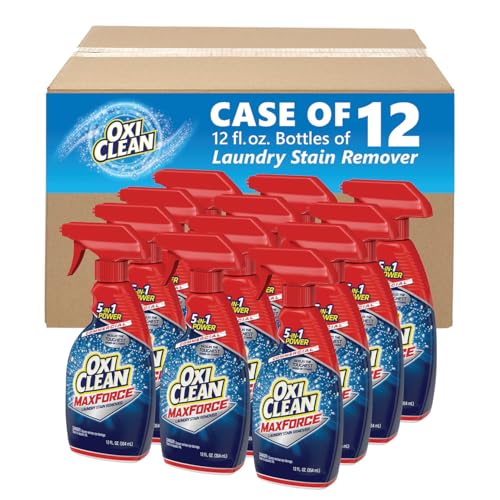
Methods for Maintaining Treated Upholstery
Begin with a vacuum cleaner to remove surface dirt and debris. Use an upholstery attachment to prevent any potential damage during this step. Focus on crevices, seams, and areas prone to dust accumulation.
For spot treatment of stains, utilize a mixture of lukewarm water and a mild detergent. Dampen a soft cloth with the solution, ensuring it’s not overly soaked to avoid excessive moisture. Gently dab the stained area, avoiding vigorous rubbing which could harm the fibers.
After addressing stains, rinse the cloth with clean water and blot the treated area to remove any detergent residue. This is important to maintain the integrity of the fabric and avoid any soapy feel after drying.
Once the spot treatment is completed, allow the material to air dry naturally. Keep it away from direct sunlight and heat sources to prevent fading or warping. If necessary, gently brush the fabric with a soft-bristled brush once dry to restore its texture.
Regularly scheduled maintenance is key. Every few months, perform a thorough vacuuming and spot checks for any new marks that could require immediate attention. Keeping the upholstery clean and fresh will extend its lifespan and appearance.
For deeper cleaning, refer to manufacturer instructions regarding the use of professional steam cleaning services if needed. Ensure any products or services used are compatible with the protective treatment previously applied.
Understanding Scotchgard Treatment on Fabrics
When choosing treated materials, it’s essential to recognize how the application of a protective layer affects various textiles. This protective treatment repels liquids and reduces the likelihood of stains, making maintenance significantly easier.
Key Features of the Treatment
- Formulated to prevent spills from soaking into fibers.
- Creates an invisible barrier without changing the texture or appearance of the fabric.
- Suitable for a variety of materials including upholstery, carpets, and drapery.
Benefits of Treated Textiles
- Mitigates the absorption of everyday liquids, protecting against common accidents.
- Facilitates easier spot removal efforts, maintaining the aesthetic of the surface.
- Increases longevity of the material by reducing wear from spills and stains.
Understanding these aspects helps in making an informed decision when selecting textiles for living spaces. Regular maintenance will preserve the treatment’s effectiveness and prolong the life of the materials.
Gathering Necessary Cleaning Supplies
Prepare a vacuum with an upholstery attachment for removing loose dirt and debris. A microfiber cloth or soft sponge works well for applying cleaning solutions without causing damage. I recommend using a mild detergent that is safe for treated materials, as strong chemicals can strip the protective layer.
It’s helpful to have a bucket for mixing your cleaning solution and a spray bottle for easy application. Water should be distilled to avoid mineral deposits that can leave residue. Keep paper towels or absorbent cloths on hand for blotting spills and excess moisture.
For addressing stains, consider using a soft-bristled brush to gently work the solution into the fabric. Additionally, having a set of rubber gloves protects my hands while I clean. A soft, lint-free cloth is optimal for polishing the surface after treatment.
As a final touch, an odour eliminator can refresh the scent of the upholstery. With these supplies ready, I’m set to maintain the appearance and longevity of my upholstered items.
Testing Cleaning Solutions on a Small Area
Begin by selecting an inconspicuous spot on the upholstery. I choose a corner or the back of a cushion where stains are less likely to be noticed. Apply a small amount of the chosen cleaning solution to this area.
Let the solution sit for about 5 to 10 minutes. I’m careful to monitor any changes that occur. If discoloration or adverse reactions appear during this time, I’ll stop using that particular cleaner immediately. It’s also wise to check the fabric’s care label for specific instructions regarding cleaning agents.
After the waiting period, I gently blot the area with a clean white cloth to remove any excess solution. The key is to avoid rubbing, as this may cause damage or spread stains. I observe the test area closely for any changes in texture or color.
If the fabric holds up well and no visible damage occurs, I can confidently apply the cleaning solution to the larger stained areas. If not, I proceed to try another cleaner, ensuring that I repeat this test on different inconspicuous spots for safety.
Steps for Spot Cleaning Scotchgard Furniture
First, I blot the stain with a clean, absorbent cloth or paper towel. Avoid rubbing to prevent it from spreading or embedding deeper into the fibers.
Next, I prepare a gentle cleaning solution. Typically, I mix a small amount of mild dish soap with water, ensuring it’s sudsy but not overly concentrated.
Using a soft cloth or sponge, I apply the solution to the stained area, working from the outside edges towards the center to prevent any ring formation. I gently dab rather than scrub, allowing the solution to penetrate the fabric.
After a few minutes, I blot the area again with a clean damp cloth to remove any soap residue. I repeat this process if necessary.
Finally, I let the area air dry naturally. After drying, I check for any remaining spots and can repeat the earlier steps if needed.
Additional Tips
If the stain persists, I consider using a specialized upholstery cleaner designed for treated fabrics. Always follow the instructions in accordance with the manufacturer’s recommendations.
In case of tough or oil-based stains, applying a small amount of isopropyl alcohol to a cloth before blotting can help lift the stain effectively.
Deep Cleaning Methods for Scotchgard Upholstery
For thorough cleansing of treated textiles, I recommend using a combination of techniques to achieve the best results. Here’s a detailed guide to tackle dirt buildup and stains effectively.
-
Begin with vacuuming the surface using an upholstery attachment. This will remove loose debris, dust, and allergens.
-
Prepare a cleaning solution. Mix a few drops of mild dish soap with warm water. Test the solution on a hidden area first to ensure it doesn’t discolor the fabric.
-
Using a soft cloth or sponge, gently agitate the solution into the fabric. Work in small sections, following the grain or pattern to avoid damage.
-
After treating a section, use a clean damp cloth to remove any soap residue. Ensure the material doesn’t become oversaturated, as excess moisture can lead to mildew.
-
For stains, I suggest creating a paste using baking soda and water. Apply directly to the affected area, let it sit for 15-20 minutes, then gently scrub with a soft brush before rinsing.
-
Once the cleaning is complete, allow the upholstery to air dry. Position fans nearby to enhance airflow while ensuring there is no direct sunlight, which can cause fading.
-
After drying, vacuum again to lift the fibers and restore texture.
These methods will rejuvenate the appearance and extend the lifespan of your textiles while maintaining their protective treatment.
Maintaining Protection After Cleaning
After tidying up, applying a fresh layer of treatment is crucial for sustaining the protective barrier. Wait until the surface is dry, then spray a specialized protector evenly over the area. This step helps repel spills and stains effectively.
Reapplication Schedule
To ensure optimal safety, I recommend reapplying the treatment every 6-12 months. Factors such as usage frequency and exposure to sunlight may necessitate more frequent applications.
| Frequency | Usage Level | Exposure to Sunlight |
|---|---|---|
| 6 Months | High | Direct Sunlight |
| 9 Months | Moderate | Indirect Light |
| 12 Months | Low | Minimal Exposure |
Regular Maintenance Tips
For ongoing upkeep, vacuum regularly to eliminate dirt and debris. Address spills immediately using a soft cloth to blot rather than rub, preserving the treatment layer. Avoid harsh cleaners that might degrade the protective finish.


