Caleb Turner

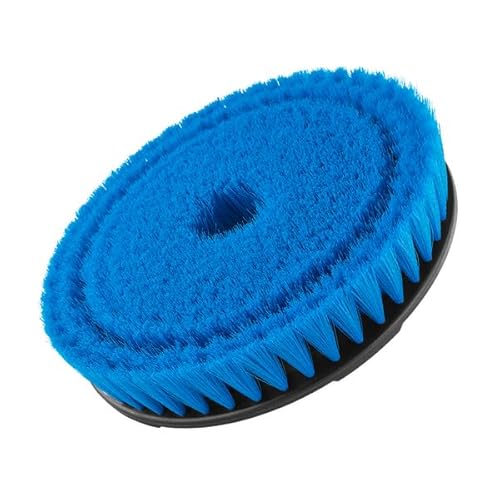
Using a mixture of warm water and mild soap is my go-to method for refreshing the surfaces of garden cushions and covers. First, I soak a soft brush in this solution, letting it lightly scrub away dirt and stains, especially on stubborn areas. After scrubbing, rinsing with a hose is essential to remove any soapy residue that can attract new dirt.
If there are persistent stains, I prefer a paste of baking soda and water, applying it directly to the affected areas. Let it sit for at least 30 minutes before the gentle scrubbing resumes. This method works wonders on food spills and other difficult marks. It’s always a good idea to test any cleaning solutions on a small, inconspicuous area first to ensure they won’t cause fading.


Another tip I use involves a mixture of vinegar and water in equal parts for deodorizing and disinfection. Spray it onto the surfaces and let it sit for about 15 minutes. Afterward, a thorough rinse helps eliminate unpleasant odors, particularly useful after seasonal storage.
For general maintenance, I recommend storing these textiles in a protected area during harsh weather, which significantly extends their life. Regular brushing and spot cleaning can help keep them looking fresh between deep cleanings. With these practical methods, my outdoor seating always maintains its appeal and usability throughout the seasons.
Cleaning Process for Patio Textiles
I recommend beginning with a vacuum cleaner equipped with a brush attachment to remove dust and debris. This step preps the material for deeper treatment.
For stained areas, create a solution using mild soap or a dedicated fabric cleaner mixed with warm water. Test this mixture on a small, hidden section to ensure colorfastness before applying it widely.
Utilize a soft brush or white cloth to gently scrub affected spots, ensuring I don’t damage the fibers. Rinse the area with clean water to eliminate any soap residue, which might lead to further staining over time.
After rinsing, I suggest using a towel to absorb excess moisture. Allow the seating elements to air dry completely in a shaded area to prevent fading from direct sunlight.
For regular upkeep, consider using a fabric protector spray that enhances water and stain resistance. This additional step can simplify future maintenance.
Regular inspections for mold or mildew are beneficial, as addressing these issues promptly can prevent more significant problems later. If I spot any, a mixture of white vinegar and water can help eradicate them effectively.
Identifying Fabric Types for Proper Cleaning
To ensure the longevity of your textiles, it is crucial to recognize their material composition. Only then can effective maintenance techniques be applied. Examine labels for the primary fabric type, which may include solutions like polyester, acrylic, canvas, or cotton blends.
Polyester and Acrylic
These synthetic fibers are often favored for their resistance to stains and fading. For maintenance, mix mild soap with water, apply with a soft brush, and rinse thoroughly. A gentle cycle in the washing machine is acceptable for removable covers.
Canvas and Cotton Blends
Canvas offers durability but can absorb moisture. Use a solution of vinegar and water to combat mildew. For climate-prone areas, consider spray-on protectors designed for natural fibers to enhance water resistance. Regular vacuuming helps prevent dirt build-up.
Gathering Necessary Cleaning Supplies
Begin with creating a checklist of materials needed for the task. Identifying the right tools significantly enhances the process and outcomes.
Essential Items
Make sure to have the following supplies on hand:
- Soft bristle brush or sponge for gentle scrubbing
- Vacuum cleaner with upholstery attachments to remove loose debris
- Bucket for mixing cleaning solutions
- Microfiber cloths for drying and polishing
- Protective gloves to safeguard your hands from chemicals
Cleaning Solutions
Select appropriate cleaners based on the material type:
| Material Type | Recommended Cleaner |
|---|---|
| Sunbrella | Water and mild soap solution |
| Canvas | Vinegar and water mixture |
| Mesh | Diluted bleach solution with water |
| Textured polyester | Fabric-specific upholstery cleaner |
By assembling these tools and solutions, I ensure readiness for effective maintenance of my outdoor items.
Implementing a Pre-Cleaning Inspection Process
Before I tackle the task of refreshing my garden seating covers, I conduct a thorough inspection. This step is fundamental for effective maintenance and ensures the preservation of materials.
- Visual Assessment: I examine each piece for visible stains, discoloration, or damage. Identifying these issues early helps determine appropriate treatments.
- Fabric Identification: I check the care labels to confirm fabric types. This guides me in selecting suitable cleaning methods and products.
- Checking for Mold and Mildew: I look for signs of mold or mildew, especially in shaded areas. Treating these areas promptly prevents further growth.
- Seam and Stitch Integrity: I inspect seams and stitching for tears or wear. Addressing these before cleaning ensures that the items remain intact during the process.
- Hardware Inspection: I assess any metal or plastic components attached to the items. I make sure there are no rust or corrosion issues that could affect the fabrics.
By completing this inspection, I tailor my cleaning approach effectively, maximizing the outcome and longevity of each item.
Choosing the Right Cleaning Solution for Stains
For tackling stains on various materials, identifying the appropriate cleaning agent is crucial. Start by examining the type of stain to determine the best product.
Common Stains and Corresponding Solutions
- Food and Beverage: Use a mixture of mild dish soap and warm water. For stubborn red wine stains, a paste of baking soda and water can effectively lift the discoloration.
- Grease or Oil: An enzyme-based cleaner works wonders. Alternatives include rubbing alcohol or a degreaser designed for fabrics.
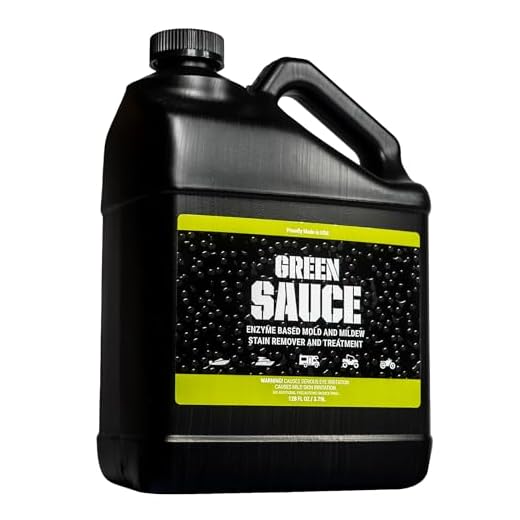
- Mold and Mildew: A solution of equal parts vinegar and water, or a specialized mildew remover, can eradicate these growths.
- Ink: Isopropyl alcohol is proven to break down ink stains. Blot with a cotton ball, avoiding rubbing.
Fabric-Specific Recommendations
- Acrylic: Non-chlorine bleach solutions designed for synthetic materials are effective without damaging fibers.
- Cotton: Most stains respond well to conventional laundry detergents diluted in water.
- Textilene: Use a mild cleaning solution and always rinse thoroughly to avoid residue build-up.
Before selecting any solution, perform a spot test on a hidden area to ensure compatibility and avoid damage. Some specialized products might come with specific instructions–follow those closely for the best results.
Step-by-Step Washing and Drying Techniques
Begin with removing the cushions or covers, if applicable. This allows for better access during the cleaning process. Rinse any loose debris or dirt with a gentle stream of water, preferably from a hose or a bucket.
Washing Process
For most materials, create a mild soap solution using warm water and a gentle detergent. Use a soft-bristle brush or a sponge to apply the soapy water, focusing on stained areas. Agitate the fabric gently, ensuring you don’t damage the weave. Allow the solution to sit for about 10–15 minutes to break down dirt.
Rinse thoroughly with clean water to remove all soap residue. It’s crucial to ensure that no detergent remains, as it could attract more dirt if left behind.
Drying Techniques
After rinsing, gently squeeze out excess water. Avoid wringing or twisting the fabric, as this can lead to distortion. Lay the cushions flat on a clean surface or hang them to dry, ensuring they’re not in direct sunlight for prolonged periods, which could cause fading.
If the items are machine washable, follow the care label instructions and tumble dry on a low heat setting. Ensure the items are completely dry before placing them back, as moisture can encourage mold and mildew growth.
For fabrics that require air drying, give them enough time in a well-ventilated area until they are fully dry to the touch. This method preserves the integrity of the materials and prolongs their lifespan.
Maintaining Fabrics to Prevent Future Dirt Accumulation
Regularly treating materials with a fabric protectant can significantly reduce dirt buildup. Look for a product specifically designed for the type of textile you are working with. Before application, ensure the surface is clean and dry. Follow the manufacturer’s instructions for optimal results.
Incorporate a scheduled cleaning routine during the changing seasons. Seasonal maintenance keeps textile surfaces fresh and prolongs their lifespan. I typically dedicate time at the beginning of spring and fall to inspect and refresh the items.
Utilizing Covers for Protection
Investing in quality covers is beneficial for shielding items from environmental factors. Make sure to choose breathable covers to prevent mold and mildew. Additionally, storing cushions indoors during extreme weather conditions can further safeguard them and minimize dirt exposure.
Applying Quick Spot Treatments
Address spills immediately with an appropriate spot cleaner to prevent stains from setting. Having a kit ready helps tackle accidents quickly, maintaining the aesthetic appeal of your pieces. For example, I always keep a microfiber cloth and a gentle cleanser on hand to deal with unexpected messes.
FAQ:
What materials are commonly used in outdoor patio furniture fabrics and how should they be cleaned?
Outdoor patio furniture fabrics are often made from materials like acrylic, polyester, and olefin. Each material has unique cleaning requirements. For acrylic, a mixture of mild soap and water works well; gently scrub with a soft brush and rinse thoroughly. Polyester can usually be cleaned similarly, but you might need a stronger cleaner for tougher stains. Olefin is resistant to stains and usually requires just soap and water, but be sure to rinse thoroughly after cleaning to prevent soap residue.
Can I use bleach to clean outdoor patio furniture fabrics?
Using bleach on outdoor fabrics is generally not recommended as it can lead to color fading and damage the material. If you’re dealing with mold or mildew, opt for a cleaner specifically designed for outdoor fabrics that contains safe anti-fungal properties instead. Always test any cleaning solution on a small, inconspicuous area before applying it to the entire fabric to ensure it won’t cause discoloration.
How often should I clean my outdoor patio furniture fabrics to maintain their appearance?
It’s best to clean outdoor patio furniture fabrics at least once every season. However, if you notice dirt, stains, or mildew, it’s advisable to clean them immediately. Regular maintenance, like brushing off debris and wiping down surfaces, can help prolong the life of the fabric and keep it looking fresh. Protecting the furniture with covers when not in use can also minimize the need for frequent cleaning.
Are there any tips for removing tough stains from outdoor furniture fabrics?
For tough stains, start by blotting the area to remove any excess liquid. Then, mix a cleaning solution with mild soap and warm water. For older or stubborn stains, consider adding a little white vinegar to the mixture. Apply it to the stain with a soft brush, working gently in a circular motion. Rinse thoroughly with water and allow it to air dry. For persistent stains, commercial cleaners designed for outdoor textiles can be effective, but always read and follow the instructions on the label carefully.