
 Caleb Turner

First, tackle the visible stains with a mixture of mild soap and water. Dampen a cloth with this solution and gently blot the affected area. Avoid rubbing, as it may spread the stain or damage the fabric fibers.
Incorporate a vacuum cleaner equipped with an upholstery attachment. This step removes dust and debris that accumulates over time, ensuring your treasured piece looks fresher and more inviting.
For deeper restoration, consider a fabric freshener specifically designed for your textile type. A light mist followed by gentle brushing can revitalize the color and texture.

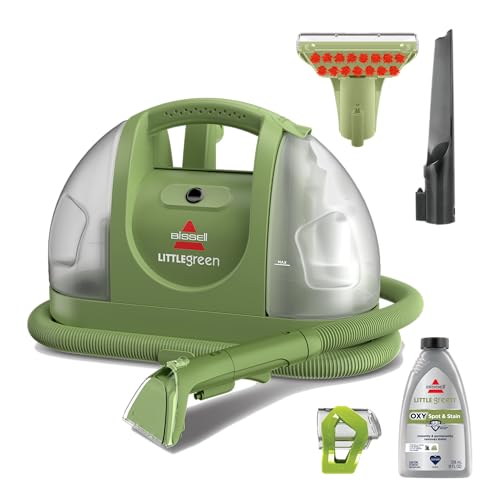
To eliminate odors, sprinkle baking soda liberally on the surface and let it sit overnight. This natural remedy absorbs unwanted scents effectively. The next day, simply vacuum it up for a renewed scent in your living space.
Lastly, assess whether professional treatment is necessary for intricate designs or delicate materials. Research local options and choose a service that specializes in restoring antique textiles, ensuring that your cherished possession receives the care it deserves.
Steps to Refresh Vintage Seating
Begin with a gentle vacuum using an upholstery attachment to remove dust and debris. Focus on seams and crevices where particles accumulate. Follow this with a damp cloth to tackle stubborn spots, using distilled water to avoid mineral deposits.
If stains persist, create a gentle solution of mild soap and water. Test it on a hidden area to ensure fabric compatibility before applying it directly to stains. Use a soft cloth to blot the area, working from the outside in to prevent spreading.
For deeper restoration, consider a steam cleaner. Ensure the fabric can withstand heat; refer to care labels or guidelines. Steam helps eliminate odors and freshens fibers without heavy moisture, which could lead to mold.
After thorough cleaning, allow the piece to dry completely in a well-ventilated space. Consider using a fabric protector spray to shield against future spills, ensuring enhanced longevity.
Finally, a light brushing with a soft-bristle brush can help revive the texture and appearance of the material. Regular maintenance extends the life of cherished pieces.
| Task | Tool/Solution |
|---|---|
| Dust Removal | Vacuum with upholstery attachment |
| Spot Treatment | Mild soap and water |
| Deep Cleaning | Steam cleaner |
| Drying | Well-ventilated area |
| Protection | Fabric protector spray |
| Texture Revival | Soft-bristle brush |
Assessing the Fabric Type for Proper Cleaning
Identify the material before proceeding with any maintenance processes. Different textiles require specific approaches to avoid damage. Here’s how I assess fabric types:
- Check for Labels: Most pieces have a care label that provides valuable insights into the fabric composition.
- Conduct a Burn Test: If the label is missing, slice a small thread and carefully burn it. Natural fibers like cotton and linen will ash, while synthetic materials will melt.
- Perform a Water Test: Dab a small, inconspicuous area with water. Natural fabrics absorb moisture quickly, whereas synthetics repel it.
Common fabric types include:
- Cotton: Must be cleaned with water-based solutions, avoiding high heat.
- Linen: Also water-compatible but requires gentler handling.
- Microsuede: Spot cleaning is preferable. Avoid saturating the fabric.
- Leather: Requires special cleaners and conditioners to maintain luster.
Knowing the fabric type is crucial for achieving effective results without risking damage. Always test products on an inconspicuous area to ensure compatibility before full application.
Preparing the Cleaning Area and Tools
Clear the space where the fabric-covered piece will be treated. Move any nearby objects that could obstruct the process, allowing for easy access from all sides. Setting up a well-ventilated area is key, preferably near a window or using a fan, to avoid any chemical odors lingering. Lay down a large plastic sheet or old towels to catch any excess moisture or debris.
Gathering Necessary Equipment
Collect appropriate supplies before starting. A vacuum cleaner with a brush attachment helps remove surface dirt effectively. Soft-bristled brushes are useful for tackling embedded dirt while not damaging the material. Prepare a few clean, white cloths to avoid color transfer. If using cleaning solutions, ensure you have a spray bottle, as well as a separating brush for any stubborn spots.
Safety Gear
Protective gloves should be worn to guard against potential skin irritation from cleaners. If certain products produce strong vapors, consider wearing a mask. Safety goggles are advisable if there’s a risk of splashes during application. Maintain a first aid kit nearby in case of minor accidents.
Spot Cleaning Stains with Household Products
For quick treatment of stains, I rely on common household items that yield great results. Begin by testing any solution on an inconspicuous area to ensure it won’t damage the fabric.
Baking Soda Paste
Mix three parts baking soda with one part water to create a paste. Apply it directly to the stained area and let it sit for about 15 minutes. Gently blot with a clean cloth dampened with water to lift the stain, then blot dry.
White Vinegar Solution
Combine equal parts white vinegar and water in a spray bottle. Lightly spray the stained area and let it sit for a few minutes. Blot the stain with a cloth until the stain begins to lift. Rinse with a cloth dampened in plain water and blot dry.
For grease stains, sprinkle some cornstarch or talcum powder on the area, letting it absorb the oil for about 30 minutes before vacuuming it up and using a damp cloth to clean the residue.
Always ensure proper ventilation while using any household cleaners, and avoid saturating the fabric to prevent water damage. Regularly vacuuming and addressing stains promptly can extend the life of your cherished items.
Deep Cleaning Techniques for Different Upholstery
For natural fibers like cotton and linen, I opt for a solution of mild detergent mixed with warm water. Using a soft brush, I gently work the mixture into the fabric, ensuring not to oversaturate it. After agitating the fabric, I blot with a clean, damp cloth to lift dirt and soap residue, then let it air dry completely.
Synthetic materials such as polyester can often benefit from commercial upholstery cleaners. I spray the cleaner evenly, agitate with a brush, and then extract moisture using a wet-dry vacuum. This technique helps to penetrate deeper into the fibers, removing embedded dirt effectively.
Leather Revitalization Methods
For leather surfaces, I prefer using a specialized leather cleaner. I apply a small amount to a soft cloth and gently wipe down the leather to remove any grime. Following this, I condition the leather with a compatible conditioner to maintain its suppleness and prevent cracking.
Microfiber Refreshing Strategy
Microfiber often traps dust and oils. I utilize a combination of distilled water and vinegar in a spray bottle for cleaning. Spraying lightly over the surface, I use a microfiber cloth to wipe in a circular motion, which helps lift stains without leaving water marks.
Regular maintenance and knowing the right method for each material ensure longevity and comfort in my seating arrangements.
Drying and Caring for Upholstered Items Post-Cleaning
Immediately after the cleaning process, I prioritize proper drying to prevent mold and mildew. I use a fan to circulate air around the fabric, setting it at a distance to avoid direct airflow that could disturb the fibers. If it’s a sunny day, placing the piece near a window enhances drying without damage from direct sunlight.
For thicker materials, I gently press a clean, absorbent cloth against the surface to remove excess moisture, and I flip cushions and pillows periodically to ensure even drying. I avoid using heat sources like hair dryers, as this can cause fabric shrinkage and deformation.
Once the item is dry, I apply a fabric protector to maintain its condition and resist stains. This creates a barrier against spills, ensuring long-lasting cleanliness. Regular vacuuming helps remove dust and dirt, and I take care to use an upholstery attachment to prevent snagging the material.
Every few months, I evaluate the item for any signs of wear or damage. If necessary, I spot-treat areas showing staining or discoloration, ensuring that I test any product on a hidden section first. Regular maintenance not only keeps the appearance fresh but also extends the life of my cherished pieces.
Maintaining Cleanliness of Upholstered Furniture Regularly
Weekly vacuuming is crucial. Use an upholstery attachment to remove dust and debris from nooks and crannies, preventing grime build-up. Pay special attention to seams and under cushions.
Routine Stain Prevention
- Consider using a fabric protector after deep cleaning to repel spills and stains.
- Always blot spills immediately with a clean cloth, avoiding rubbing which may spread the liquid.
- Encourage guests to avoid eating and drinking near seating to reduce accident chances.
Regular Maintenance Schedule
Establish a cleaning routine. Schedule deep cleaning sessions every six to twelve months, depending on usage. For high-traffic areas, increase frequency to every three months.
Rotate cushions and pillows periodically to ensure even wear. This practice prolongs the life of the material while maintaining a uniform appearance.
Monitor the condition of fabric regularly. Look for signs of fading or wear, and address issues promptly to avoid further damage.


