Caleb Turner

Begin with a mixture of mild soap and warm water for a gentle approach. Using a soft cloth or sponge, apply the solution carefully to avoid scratching the surface. This step helps to remove dust and surface grime effectively.
For stubborn stains, consider a paste made from baking soda and water. Apply it directly to the affected area, letting it sit for a few minutes before gently wiping it away with a damp cloth. This method allows for thorough lifting of residues without damaging the intricate details.
When drying, use a lint-free cloth to absorb excess moisture. Avoid direct sunlight, as it might cause colors to fade or the finish to dull. Regular maintenance with a soft brush can prevent buildup, keeping your pieces looking pristine.
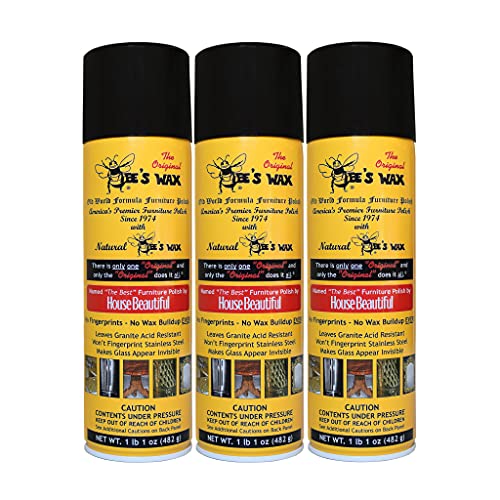
Lastly, consider applying a specialized wax designed for shell inlays to enhance shine and protect the surface from future wear. This final touch provides a barrier against dirt and moisture, ensuring longevity and beauty.
Maintenance Techniques for Decorative Inlays
To enhance the beauty of decorative inlays, I use a mixture of distilled water and white vinegar in a spray bottle. Lightly mist the surface and wipe with a soft microfiber cloth in gentle circles. Avoid soaking, as excess moisture can seep into joints. For stubborn marks, a paste of baking soda and water works wonders when applied gently with a cloth.


Polishing for Extra Shine
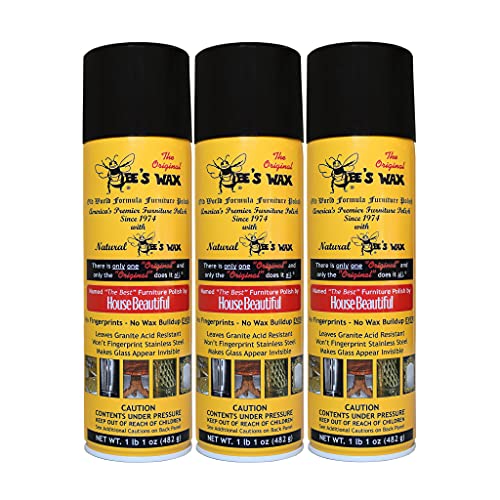
After cleaning, I apply a small amount of natural beeswax or lemon oil with a clean, dry cloth. This not only restores luster but also provides a protective barrier against future smudges. I recommend doing this every few months to keep the surfaces looking their best.
Routine Care
I ensure that the pieces are dusted regularly using a soft, dry cloth. For delicate inlays, I opt for a gentle brush to prevent scratching. Keeping humidity levels stable in the environment also prevents warping or cracking over time.
Understanding Mother of Pearl Inlay Characteristics
Recognizing the unique features of this intricate craftsmanship is critical for maintaining its beauty. The iridescent surface derives from layers of nacre, created by mollusks. Each piece differs in color and pattern, embodying variations that are influenced by the environment in which the mollusk thrived. This natural variability adds character to every item.
Preserving these surfaces requires an understanding of their sensitivity. The lustrous shine can dull with harsh agents. A gentle approach is essential; abrasive materials can scratch and mar the surface. Natural light exposure may also lead to fading over time, so placing these pieces away from direct sunlight is advisable.
Allergies to certain chemicals can be triggered during the preservation process. When selecting products, consider those designed specifically for delicate surfaces to avoid damage. Always test any solution on an inconspicuous area before applying it widely to ensure compatibility.
Lastly, regular, gentle dusting using a soft, lint-free cloth will help maintain the finish. Routine inspections for cracks or chips can prevent further deterioration, allowing me to enjoy these exquisite embellishments for years to come.
Gathering Necessary Cleaning Supplies
To begin, I ensure I have a microfiber cloth on hand. This material is gentle enough to avoid scratching while effectively removing dust and grime. Next, I select a soft-bristle toothbrush for those intricate details, as it can reach places that larger tools cannot. A bucket of warm, distilled water is also on my list, as using distilled prevents mineral deposits on the surface.
Cleaning Agents
I prefer using a mild soap designed for delicate surfaces. It’s crucial to avoid harsh chemicals, as they can damage the subtle finishes. For polishing, I choose a non-abrasive cream or paste wax specifically formulated for this unique material.
Additional Items
A soft sponge is useful too, providing a way to apply my chosen cleaning solution gently. I also include gloves to protect my hands from any potential irritation caused by the cleaning agents. Lastly, having a soft towel for drying is essential, ensuring I don’t leave any moisture behind that could lead to damage.
Preparing the Furniture for Cleaning
Before tackling the maintenance of ornate designs, the first step involves removing any items that may obstruct access. Take away decorative pieces, books, or other furnishings that could impede the process.
Next, inspect the surfaces closely for any noticeable imperfections such as scratches or loose fragments. Identifying these features early on helps in addressing potential issues while undertaking the upkeep.
Surface Protection
Cover surrounding areas with a soft cloth or towel to catch any dust or debris that may fall during the process. This aids in preserving the integrity of the surrounding environment.
Dusting Routine
Utilize a soft, dry microfiber cloth to gently wipe away dust from the intricate surfaces. Ensure that the texture of the cloth is non-abrasive to prevent damage. Pay particular attention to corners and crevices, where dirt accumulates.
| Item | Action |
|---|---|
| Decorative Objects | Remove to clear space |
| Surface Integrity | Inspect for damage |
| Surrounding Area | Cover with cloth |
| Dirt Maintenance | Dust with microfiber cloth |
Choosing the Right Cleaning Solution
Select a gentle, pH-balanced cleaner specifically formulated for delicate surfaces. Products containing ammonia or bleach can damage intricate designs and finishes.
Recommended Ingredients
- White vinegar: A natural option that can lift dirt without harsh chemicals.
- Castile soap: Mild yet effective for removing grime.
- Olive oil: Excellent for enhancing the luster of the surfaces after cleaning.
Commercial Products
If you prefer store-bought solutions, look for options labeled as safe for antiques or fine wood. Test any product on a discrete area before applying it widely to ensure compatibility with the finish.
When in doubt, relying on warm water and a soft cloth is always a safe choice. This method minimizes risk while ensuring a gentle wipe to remove dust and minor marks.
Step-by-Step Cleaning Process
First, I dust the surface with a soft, lint-free cloth to remove loose debris. This prevents scratches during the subsequent steps.
Wiping Down
Next, I dampen a microfiber cloth with the chosen cleaning solution. It’s crucial that the cloth is only slightly moist, avoiding excess moisture that could damage the intricate designs.
Gentle Scrubbing
If there’s stubborn dirt, I use a soft-bristled toothbrush to gently scrub affected areas. I always follow the grain of the material to prevent scratches. After scrubbing, I wipe the area again with the damp cloth to remove any residue.
| Step | Action |
|---|---|
| 1 | Dust the surface thoroughly. |
| 2 | Dampen a microfiber cloth. |
| 3 | Gently scrub with a soft brush if needed. |
| 4 | Wipe off the area with the damp cloth. |
Finally, I use a dry cloth to buff the surface, enhancing the shine and ensuring no moisture remains.
Drying and Polishing Techniques
Immediately after the washing process, I ensure to dry the surface thoroughly with a soft, lint-free cloth. This step prevents water spots and potential damage. I lightly dab the wet areas instead of rubbing, which could scratch the delicate surface.
For polishing, I select natural oils like olive oil or jojoba oil, applying a small amount on a clean cloth. I buff the surface gently in circular motions, which enhances the shine without harming the delicate material. Here’s the process I follow:
- Use a tiny quantity of oil; too much can lead to a greasy finish.
- Buff in small sections, allowing the oil to penetrate without over-saturating.
- After a thorough buffing, I let it stand for a few minutes to allow the oil to settle.
- Finally, I use a fresh cloth to wipe off any excess, maintaining a polished look.
For an added shine, I consider applying a commercial wax designed for delicate surfaces after polishing with oil. I follow the manufacturer’s instructions strictly to avoid damaging the intricate designs.
Regular maintenance is key. A light buff every few months keeps the surface looking pristine and protects against dust and grime accumulation.
Addressing Stains and Damage
To tackle discolorations or scratches effectively, I utilize a soft damp cloth and a mild soap solution. For stubborn spots, a paste of baking soda and water can be very effective. I apply the paste gently and wipe it away with a clean, soft cloth after a few minutes.
For Water Stains
If I encounter watermarks, I employ a hairdryer on a low setting, keeping it at a distance to avoid overheating. I then use a bit of buffing with a soft cloth to restore sheen. In cases of deep-set moisture damage, a specialized compound for wood finish repair may be necessary.
Dealing with Scratches
For minor scratches, I prefer using a matching wood stain or marker to fill in the gap and blend it seamlessly. In more severe cases, I may lightly sand the area using fine-grit sandpaper and afterward apply an appropriate varnish or sealant to protect the surface.
It’s crucial to ensure any product used is compatible with the existing finish, so I always perform a spot test on a hidden area first. Regular maintenance and addressing stains promptly extend the life of this exquisite craftsmanship.
Preventing Future Damage to Inlay Furniture
To maintain the integrity of your decorative pieces, I recommend implementing a few straightforward strategies:
- Position away from direct sunlight to avoid fading and warping.
- Maintain a stable humidity level; fluctuations can cause cracking or separation.
- Utilize coasters and placemats to shield surfaces from scratches and moisture.
- Regularly dust using a soft, dry cloth to prevent the accumulation of debris.
- Consider applying a protective wax periodically to enhance luster and form a protective barrier.
Inspecting for damage frequently allows for early intervention. Address any signs of wear or deterioration promptly to avoid extensive repairs.
When relocating or moving decorations, lift rather than pushing to prevent chipping or loosening inlaid sections.
Lastly, educate household members about handling these delicate items to reduce accidental harm.