
 Caleb Turner

The application of a mixture of water and mild soap is an immediate solution for addressing unwanted green growth on wooden surfaces. This gentle soap approach safeguards the integrity of the wood while effectively loosening the stubborn material. Using a soft-bristled brush, I gently agitate the soapy water into the affected area, ensuring that I do not damage the wood grain.
After scrubbing, rinsing the wood thoroughly with clean water is vital. This step eliminates any leftover soap residue and growth particles. It’s important to make sure that the wood doesn’t retain moisture for too long; I always dry the surface with a clean cloth to prevent water spots and potential future issues.


For persistent patches of organic material, creating a paste of baking soda and water can serve as an effective treatment. I apply it directly to the affected spots and let it sit for a few hours before gently scrubbing again. This method provides an additional boost in tackling any remaining stains while remaining safe for the beautiful wooden surfaces.
Regular maintenance is critical. I recommend routinely inspecting and addressing any signs of unwanted green growth to prolong the life and beauty of this elegant wood. A proactive approach will keep my items looking their best year-round.
Identifying Growth on Wooden Surfaces
Begin with a visual inspection. Look for dark green or black patches on the surface, which may exhibit a velvety texture. The affected area can feel damp, especially after rain. Pay attention to corners and crevices where moisture tends to accumulate, as these are common locations for unwanted development.
Physical Characteristics
Gently run your fingers over the area; if it feels slimy or sticky, this indicates an infestation. The presence of tiny spores or a fuzzy appearance may also signal an issue. An unusual odor, like damp earth, can further confirm growth.
Environmental Factors
Consider the surroundings. Outdoor pieces in shaded areas are more prone to development due to reduced sunlight. Excessive humidity and poorly ventilated spaces can contribute significantly to the problem.
By keeping an eye out for these indicators, you can effectively determine if action is necessary to restore and preserve your wooden items.
Preparing the Cleaning Area and Tools
I recommend selecting an outdoor space with adequate drainage to manage excess water efficiently. Choose a location away from wind to prevent debris from interfering with the process. A garage or covered patio is ideal for protecting surrounding plants and surfaces.
Necessary Tools and Materials
Gather the following items to ensure an organized approach:
| Tool/Material | Description |
|---|---|
| Bucket | Use for mixing cleaning solutions or rinsing tools. |
| Sponge or Soft Brush | Gentle on surfaces while effectively removing unwanted growth. |
| Garden Hose | For rinsing cleaned areas thoroughly. |
| Protective Gloves | Keep skin safe from cleaning agents and debris. |
| Safety Goggles | Protect eyes during scrubbing or spraying. |
| Cleaning Solution | Choose a mild detergent or vinegar mix to minimize damage. |
Once I have gathered these tools, I clear any nearby items to provide an unobstructed and safe working area. This preparation makes the process more manageable and ensures I can tackle the task effectively.
Choosing the Right Cleaning Solution for Teak
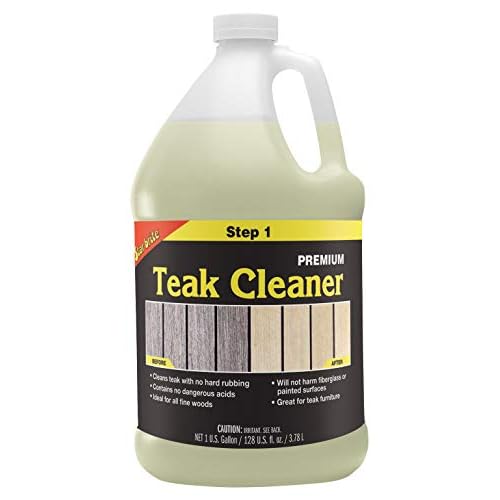
For my teak essentials, I opt for an oxygen bleach solution or a specialized teak cleaner. These options are effective in breaking down organic residues without compromising the integrity of the wood.
Oxygen Bleach Solution
This environmentally friendly option is a blend of sodium percarbonate and water, producing hydrogen peroxide when dissolved. I typically mix it according to the product instructions to achieve a safe concentration.
- Create a paste for stubborn areas by reducing the water content.
- Ensure proper ventilation during application.
- Test on an inconspicuous area before full application.
Specialized Teak Cleaner
These cleaners are formulated specifically for the needs of hardwoods. Choosing this option, I check the label for biodegradable ingredients to protect the surrounding environment.
- Select the cleaner suited for your specific needs; some target mildew while others focus on grease and grime.
- Follow the manufacturer’s guidelines for the best results.
- Pair with a soft-bristled brush to avoid scratching the surface.
After application, rinsing thoroughly with clean water is crucial. I always ensure no residue remains to prevent future issues. Regular maintenance with suitable products helps extend the life and beauty of my wooden pieces.
Step-by-step cleaning process for moss removal
Begin the procedure by securing the area around the affected piece. Move any nearby items to prevent them from becoming soiled during the task.
1. Gather your tools
- Soft bristle brush
- Bucket
- Water source
- Spray bottle
- Protective gloves
- Cleaning solution (according to previous section)
2. Prepare the surface
- Use the soft bristle brush to gently remove loose debris and dirt from the surface.
- Carefully inspect joints and crevices for any stubborn growth.
- Rinse the surface lightly with water to avoid any potential damage.
3. Apply the solution
- Fill the spray bottle with your chosen cleaning solution.
- Evenly mist the affected areas to ensure thorough coverage.
- Allow the solution to sit for the recommended time according to the product’s instructions.
4. Scrub gently
After letting the solution soak, use the soft bristle brush to gently scrub the affected areas in a circular motion. Focus on stubborn spots while applying minimal pressure to avoid scratching.
5. Rinse thoroughly
- Using a clean bucket, fill it with fresh water.
- With a damp cloth or sponge, wipe down the entire surface to remove any residue of the cleaning mixture.
- Ensure no remnants are left, as these can cause further issues.
6. Dry the surface
Use a dry cloth to blot the surface. It’s crucial to remove as much moisture as possible to prevent future growth.
7. Regular maintenance
- Inspect the item regularly for any early signs of regrowth.
- Clean the surface routinely to keep it in optimal condition.
Techniques for Rinsing and Drying Wooden Surfaces
I recommend using a gentle spray nozzle attached to a garden hose for rinsing. This approach allows for even distribution of water without excessive force that could damage the wood’s surface. Ensure the water temperature is lukewarm to prevent any thermal shock to the material.
For better results, consider rinsing in sections, working from top to bottom. This method prevents any residues from running onto areas that have already been cleared. Keep the surface damp but avoid soaking it, as pooling water can lead to future growth.
After rinsing, I suggest using soft, absorbent towels to blot the surface dry. Microfiber cloths work best as they absorb moisture effectively without scratching. Wipe down the entire area systematically to ensure all moisture is removed, particularly in crevices and joints.
For outdoor items, place them in a well-ventilated area under direct sunlight to aid in the drying process. Sunlight helps evaporate remaining moisture and reduces the likelihood of mold returning. If the weather is humid or rainy, I advise using fans to facilitate air circulation around the surfaces.
Finally, before putting any items back in their places, confirm that the wooden surfaces are entirely dry to eliminate any risk of deterioration or unwanted fungi development.
Preventing Future Growth on Wooden Surfaces
Regular maintenance plays a pivotal role in deterring unwanted vegetation on wooden structures. I recommend applying a high-quality sealant specifically designed for exterior wood surfaces. This creates a protective barrier against moisture, which is essential since damp conditions facilitate growth.
Ensure that your items are kept in well-ventilated areas, as stagnant air encourages the development of unwanted microorganisms. If possible, position them in a sunny location where sunlight can reach easily; ultraviolet rays act as a natural deterrent against organic proliferation.
Setting up a schedule for routine inspections is beneficial. During these checks, I recommend looking for signs of moisture accumulation and addressing any drainage issues. Consider using a dry cloth to wipe down surfaces regularly, reducing the chance for organic build-up.
Another strategy includes employing outdoor fans or dehumidifiers to manage humidity levels in enclosed spaces. Keeping moisture at bay is crucial in maintaining the integrity of your structures.
Incorporating a simple cleaning regimen using a mild soap diluted in warm water can further support ongoing maintenance efforts. This practice helps eliminate any potential spores before they take root.
Lastly, I suggest ensuring that surrounding greenery is well-trimmed and cleared from immediate areas, as this minimizes the likelihood of organic matter infesting your wooden decor.
Maintaining Teak Furniture for Longevity
I recommend applying a protective finish to safeguard the surface from moisture and UV damage. A high-quality marine varnish or teak oil can enhance durability, keeping it looking fresh and preventing decay over time.
Regular inspections are essential. I suggest checking for signs of wear, including scratches or fading, every few months. Addressing these issues promptly can significantly extend the lifespan of the wood.
To maintain appearance and function, gently scrub surfaces occasionally with a soft brush or cloth. This will dislodge dirt and prevent grime from becoming embedded over time. Be cautious not to use abrasive materials that can scratch and damage the finish.
I emphasize the importance of proper storage. During extreme weather conditions or when not in use, protecting the item with a breathable cover is advisable. This shields it from harmful elements while allowing airflow to prevent mold development.
Occasionally, I find applying a teak cleaner specifically formulated for wood care can reinvigorate the surface, bringing back its natural shine. Always follow the directions carefully, ensuring compatibility with previous treatments.
Lastly, avoid placing hot items directly on the surface. Using coasters or mats can prevent heat damage and discoloration, contributing to the longer life of the material.


