
 Caleb Turner
For immediate results, mix equal parts of white vinegar and water in a spray bottle. Apply this solution generously to the affected surfaces, ensuring thorough coverage. Let it sit for about 10-15 minutes to allow the natural acidity of vinegar to penetrate.
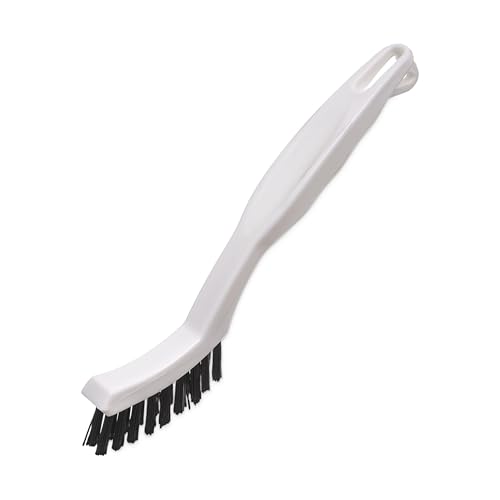
Afterward, use a stiff-bristled brush or sponge to scrub the spots gently. Be cautious not to damage the surface while working on stubborn areas. Rinse well with a hose to eliminate any residue from the solution.
For persistent stains, a solution of diluted bleach (one cup of bleach in a gallon of water) can be employed. However, wear gloves and protective eyewear during this process. Follow the same application and scrubbing procedure, then rinse thoroughly.
Finally, after you’ve treated the surfaces, allow them to dry completely in the sun. Regular maintenance with a protective sealant can help prevent future growth, keeping your outdoor items looking pristine for longer.
Steps to Remove Fungi from Exterior Wooden Items
I recommend mixing one cup of white vinegar with a gallon of water. This solution is environmentally friendly and effective against unwanted growth. Using a soft-bristled brush, gently scrub the affected areas. Start at the top and work your way down to prevent drips from spreading spores.


Utilizing Baking Soda
A paste made from baking soda and water can be an excellent alternative. Apply it directly to the infected areas and let it sit for around 15 minutes. Afterward, scrub with a brush to dislodge the spores. Rinse thoroughly to ensure no residue remains, as the powder can attract moisture if left on the surface.
Preventive Measures
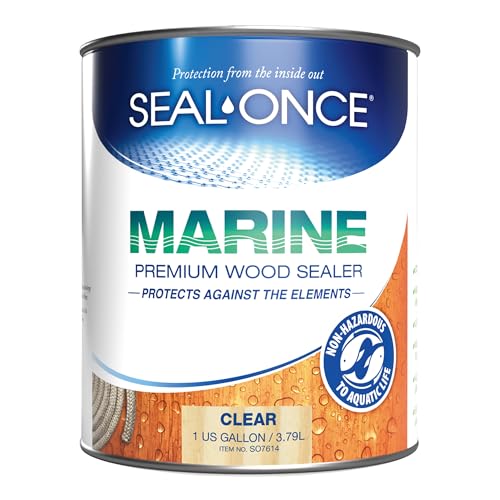
Once treated, consider applying a sealant specifically designed for exterior surfaces. This can deter further colonization and help preserve the integrity of the material. Ensure your items are stored in a well-ventilated location and dry thoroughly after rain or cleaning. Regular checks will assist in identifying potential issues before they escalate, preserving your outdoor decor.
Identifying Mildew on Outdoor Wood Furniture
I observe the surfaces for discolored patches that appear as dark green, black, or gray spots. These areas often have a fuzzy or powdery texture. Inspect regions that are shaded, damp, or where water tends to collect, as these are prime spots for spore growth.
Additionally, I examine for a musty odor, which can indicate the presence of these unwanted fungal colonies. Pay careful attention to crevices, joints, and areas where moisture accumulates after rainfall or cleaning, as they can harbor unwanted microorganisms.
Using a flashlight can help highlight any hidden areas that need closer inspection, revealing even the faintest signs of discoloration or texture change. Identifying the problem early on allows me to take measures before the situation worsens.
If left unchecked, the appearance of these unsightly marks will become more pronounced and could lead to potential structural damage over time. Regular checks during warmer months help to keep these issues from escalating and ensure the longevity of my items.
Gathering Necessary Cleaning Supplies
Before tackling the task, I ensure I have everything I need within reach. First, I grab a sturdy pair of gloves to protect my hands while working. Next, a good-quality brush with stiff bristles comes in handy for scrubbing away the stubborn growth.
Cleaning Solutions
I typically use a mixture of water and vinegar or a specialized cleaner designed for tackling stubborn infestations. If I choose vinegar, I mix equal parts with water in a spray bottle for easy application. Alternatively, a solution of oxygen bleach can also be effective and gentler on the surface.
Additional Tools
A bucket is essential for mixing solutions and for rinsing any materials used. Additionally, I keep rags or old towels around to wipe down surfaces after treatment. A garden hose is useful, too, for rinsing away the solution once I’ve finished scrubbing.
Having these tools and materials ready streamlines the process, making the task more manageable and efficient.
Preparing the Furniture for Cleaning
Remove any items on the surface to access every part easily. I also shift the pieces to an open area, ensuring good air circulation, which is vital during the process.
Check for any protruding nails or screws and ensure they are secure. If any are loose, tighten them to prevent damage while working. I inspect for any signs of damage such as cracks or splinters and address these issues before proceeding.
It’s beneficial to sweep or wipe down the surrounding area to avoid transferring dirt back onto the surfaces during cleaning. I make sure to wear gloves, particularly if using strong solutions, to protect my skin.
| Task | Details |
|---|---|
| Clear Items | Remove all objects from the surfaces for comprehensive access. |
| Space Setup | Relocate pieces to an area with ample ventilation. |
| Inspect Hardware | Tighten any loose nails or screws and check for damage. |
| Area Preparation | Sweep or wipe the surrounding area to avoid dirt transfer. |
| Personal Safety | Wear gloves to protect hands from cleaning solutions. |
Applying a Cleaning Solution Safely
Before using any mixture, I take precautions to protect myself and the surrounding area. Wearing disposable gloves ensures my hands are shielded from harsh substances. I also put on safety goggles to guard my eyes from splashes.
To prevent harm to nearby plants or structures, I cover them with plastic sheeting or tarps. This creates a barrier and keeps the environment safe while I work. If possible, I choose a calm day to minimize the risk of the solution drifting away.
When mixing solutions, I do it outdoors in a well-ventilated area. This helps disperse any potentially harmful fumes. I always follow the manufacturer’s instructions regarding dilution ratios and contact times to maximize safety and effectiveness.
Using a spray bottle, I apply the mixture at a distance of at least 12 inches from the surface. This ensures even coverage without over-saturating the material. I avoid applying the solution during direct sunlight, as it can cause the mixture to dry too quickly, reducing its effectiveness.
After applying, I allow the solution to sit for the recommended duration before rinsing with water. I make sure to direct the rinse water away from plants and other sensitive areas.
Finally, I store any leftover cleaning agent out of reach of children and pets to maintain a safe environment.
Scrubbing Techniques for Stubborn Mildew
Use a stiff-bristle brush for rigorous scrubbing. This helps dislodge entrenched spores and stains efficiently. Apply consistent pressure while moving in circular motions to maximize surface contact.
For tough spots, consider soaking the area with the prepared cleaning solution for 10-15 minutes before scrubbing. This will soften any remaining growth, making it easier to remove.
- Work in small sections to better control scrubbing and monitor progress.
- Rinse the brush thoroughly after each section to prevent dirt from redepositing.
Switch between horizontal and vertical strokes to ensure comprehensive coverage. This technique helps to reach into grooves and joints where grime often accumulates.
In areas with heavy accumulation, use a scraper to carefully lift off debris before scrubbing. Make sure to do this gently to avoid damaging the underlying surface.
After scrubbing, always perform a final rinse with clean water to wash away any residue from the cleaning agent and dislodged material. This step is critical to preventing future build-up.
Rinsing and Drying the Furniture Properly
I recommend using a garden hose with a spray nozzle set to a gentle spray for rinsing the surface. Begin from the top and work your way down to ensure that water runs off properly, preventing dirt and debris from pooling on surfaces. Make sure to rinse thoroughly, removing all traces of any cleaning solutions used earlier.
After rinsing, it’s crucial to dry the items completely to avoid moisture damage. If the sunlight is strong, place the pieces in direct sunlight to facilitate the drying process. Alternatively, use clean, absorbent towels to wipe down the surfaces if immediate sun exposure isn’t available. This step prevents mold and further deterioration.
Ensure that items are completely dry before covering them or bringing them indoors. I check all crevices and joints to guarantee they are moisture-free. A fan can be helpful for areas that remain damp, assisting in faster drying and airflow.
Preventing Mildew Growth in the Future
To reduce recurrence of unwanted growth, adequate air circulation is crucial. Position items in a way that allows sunlight to penetrate, as this inhibits moisture retention. Whenever possible, store pieces in a dry, sheltered area during inclement weather to limit exposure to humidity.
Regular Maintenance Practices
Implement routine inspections to identify any signs of excess moisture or growth. Utilize a soft brush or cloth weekly to remove debris and grime, especially in crevices where moisture may accumulate. Applying a sealant or protective finish periodically can also create a barrier against environmental factors.
Choosing the Right Location
Be mindful of placement. Avoid spots that are prone to dampness or close to sprinkler systems, which may increase humidity levels. If possible, elevate items off the ground to promote airflow and prevent moisture wicking from surfaces below.
Choosing the Right Finish for Outdoor Wood Furniture
Opt for a high-quality penetrating oil or a water-repellent sealant. These products provide excellent moisture resistance while enhancing the natural beauty of timber. I often recommend teak or linseed oil for their protective qualities and ease of application.
Types of Finishes to Consider
Consider marine varnish if durability is a priority. It’s designed to withstand harsh elements and provides a glossy finish. On the other hand, an acrylic-based sealer offers a more matte look, which can be appealing for those preferring a less shiny appearance.
UV protection is critical. A finish with UV-blocking additives prevents fading and extends the life of the material. Always check labels for this feature to ensure maximum longevity.
Application Tips
Before applying any finish, ensure that the surface is clean and dry. I prefer a foam brush for even application and avoiding brush marks. Two thin coats are better than one thick layer, allowing for proper drying and absorption. Reapply the finish annually to maintain protection and appearance.
Inspect the surface periodically. If you notice signs of wear or fading, it’s time for a refresh. Regular maintenance not only keeps the aesthetic but also prolongs the lifespan of the piece.


