
 Caleb Turner

To tackle unsightly stains on your painted surfaces, I recommend reaching for a simple mixture of warm water and a few drops of dish soap. Dampen a soft cloth with the solution, ensuring it is not overly wet, and gently rub the affected area in a circular motion. This method is often effective for lighter blemishes.
If the stains prove stubborn, consider using a paste made from baking soda and water. Apply this paste to the marks and leave it for a few minutes before gently scrubbing it with a damp cloth. Rinse the area with clean water afterward to remove any residue.
For persistent discolorations, a specialized cleaner designed for painted surfaces can be beneficial. Always test the cleaner on an inconspicuous spot before proceeding to ensure it won’t damage the finish. Following up with a dry cloth will restore the wall’s original shine.
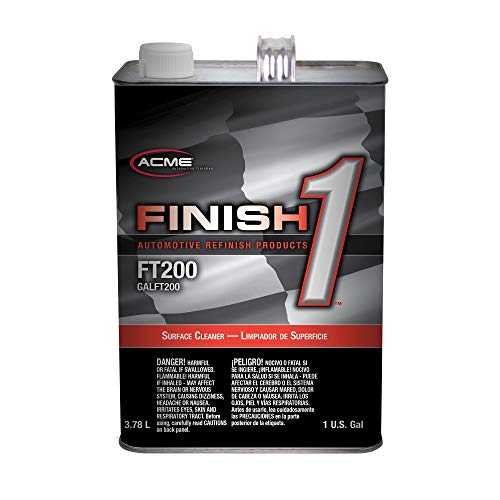


Removing Furniture Imprints from Painted Surfaces
Mix equal parts vinegar and water in a spray bottle. Lightly mist the affected area without soaking it. Wipe with a soft cloth using gentle, circular motions. This solution helps lift the residue effectively.
If the stains persist, create a paste using baking soda and water. Apply it to the imprinted area and let it sit for about 10 minutes. Afterwards, gently scrub with a damp sponge. Rinse with a clean cloth to ensure no residue remains.
For tougher grime, try using a magic eraser. Slightly dampen the eraser and softly rub over the spots in a back-and-forth motion. Use caution to avoid damaging the paint finish.
After treatment, check the area for any remaining issues. If discoloration is noticeable, a touch-up with matching paint may be necessary. Keep the paint handy for future fixes.
Regular upkeep can prevent future problems. Consider rearranging your items periodically to reduce pressure on specific wall areas, maintaining the overall appearance.
Identifying Types of Wall Marks from Furniture
Recognizing the specific type of blemish is key to addressing it. Common types include smudges, scuffs, and indentations.
Smudges typically appear as light streaks, often resulting from greasy fingers or objects brushing against the surface. These are easiest to remove with surface cleaners.
Scuffs occur when edges of items make contact with the wall, leaving behind darker marks. I find that they often require a little more effort, such as using a magic eraser or baking soda paste for effective removal.
Indentations are noticeable depressions where heavier pieces have pressed against the material. These sometimes necessitate repainting the affected area for a seamless finish.
By pinpointing the exact type present, I can select the right method for restoration more efficiently, ensuring a tidy and fresh appearance throughout my space.
Choosing the Right Cleaning Products for Your Wall Type
Select specific solutions based on the material of your surfaces. For flat or matte finishes, opt for mild cleaners or diluted soap. Avoid abrasive substances that could scratch or dull the surface.
Painted Surfaces
If the paint is latex-based, a gentle mixture of water and dish soap works well. For oil-based paints, consider using a specialized solvent to avoid damaging the finish.
Textured or Wallpapered Areas
<pUtilize a soft sponge with a mix of warm water and vinegar for textured surfaces, as it effectively removes grime without causing damage. For wallpaper, a damp cloth and mild detergent will suffice, but always test on a small area first to ensure it doesn’t lift the wallpaper.
Preparing Your Walls for Cleaning
Begin by removing any items or decorations from the surface. This includes pictures, mirrors, and wall hangings that may obstruct access to the area needing attention.
Next, assess the specific regions you intend to address. If the spots are particularly stubborn, consider doing a patch test with your chosen cleaning solution on an inconspicuous section. This ensures no adverse reactions occur.
Gather Necessary Tools
- Soft sponge or cloth
- Bucket for mixing solutions
- Protective gloves
- Step ladder (for high areas)
Once everything is set up, take care to protect the flooring with a drop cloth or old towels to catch any drips or spills from the cleaning process. Precaution is key to avoid any potential damage to the floor surface below.
Preparing the Cleaning Solution
Mix the appropriate cleaning agent with water in a bucket, maintaining the recommended ratio according to the product guidelines. Having the solution at hand creates a more streamlined approach during the actual cleaning phase.
After preparing all necessary components, you’ll be equipped to tackle the imperfections effectively. Stay focused on the task at hand for optimal results.
Using Soap and Water for Mild Stains
For mild discolorations, I recommend using a simple solution of soap and water. Mix a few drops of liquid dish soap into warm water in a clean bucket or bowl. Utilize a soft cloth or sponge to apply the mixture gently.
Application Technique
Moisten the cloth or sponge with the soapy solution, making sure it’s damp but not dripping. Start at the top of the affected area and wipe downward to avoid streaks. Rinse the cloth frequently to prevent spreading any dirt or residue around.
Final Rinse
After treating the stained area, use a second cloth dampened with clean water to wipe away any soap residue. This step ensures your surface is left fresh without a film, which can attract more dust. Allow the area to air dry completely.
Applying Baking Soda Paste for Stubborn Marks
To tackle persistent blemishes on painted surfaces, I recommend creating a baking soda paste. Mix equal parts of baking soda and water until a paste forms. This mixture acts as a mild abrasive that can lift the toughest stains without damaging the wall’s finish.
Steps to Use Baking Soda Paste
- Apply the paste directly onto the stained area using a soft cloth or sponge.
- Gently rub in a circular motion. The baking soda’s grit helps to lift the discoloration.
- Allow the paste to sit for 10-15 minutes to penetrate deeply into the stain.
- Rinse the area with a clean, damp cloth to remove any residue.
- Dry with a soft towel to prevent water spots.
For particularly tough areas, repeating the process may yield better results. Test the paste on a small, inconspicuous section first to ensure compatibility with your wall’s finish.
Using Vinegar Solutions for Heavy Residue
I apply a vinegar solution for tough stains. It helps break down the stubborn film left behind by furniture. First, mix equal parts of white vinegar and water in a spray bottle.
Next, spray the solution directly onto the affected area. Allow it to soak for about 5-10 minutes to penetrate the residue. For more challenging spots, I gently scrub using a soft sponge or cloth.
After scrubbing, I use a clean damp cloth to wipe away the solution and any loosened debris. It’s essential to ensure no vinegar remains to avoid any streaks. If necessary, I repeat the process until the surface is clear.
After cleaning, I dry the area with a microfiber cloth to prevent further moisture damage. This method works well on various wall finishes, including painted and wallpapered surfaces.
| Ingredient | Ratio |
|---|---|
| White Vinegar | 1 part |
| Water | 1 part |
Ensure proper ventilation during the process, as the vinegar smell can be strong. Always test in a small, discreet area to avoid any potential damage to the finish.
Testing Cleaners on Small Areas First
Before applying any solution, I always test it on an inconspicuous spot. This approach ensures that the selected product won’t negatively impact the surface. Choose a small area, perhaps behind a piece of furniture, where the results will be less noticeable.
Steps for Effective Testing
1. Apply a small amount of your cleaning solution using a soft cloth or sponge. This minimizes any potential damage.
2. Allow it to sit for a few minutes. Observe for any discoloration or damage during this time.
3. Wipe the area gently and assess the results. If it doesn’t cause any adverse effects, proceed with confidence.
Why This Matters
Different surfaces react uniquely to various products. By doing a patch test, I safeguard against causing further harm. If the cleaner reacts negatively, I can quickly switch to an alternative before it’s too late. Regular assessment helps maintain the wall’s integrity while ensuring a successful cleaning process.
Touching Up Paint After Cleaning Marks
After removing unsightly blemishes from the surface, it’s time to refresh the paint. Begin with a color match; this ensures that any new paint seamlessly blends with the existing shade. If you have leftover paint from the original job, use that. If not, obtain a tint sample from the store to get an exact match.
Before applying any new paint, prepare the area. Lightly sand the repaired sections with fine-grit sandpaper to create a smooth surface. Ensure that the area is dust-free by wiping it down with a damp cloth. This step is crucial for optimal adhesion of the paint.
Use a small brush or a touch-up pen for precision, especially in corners or intricate designs. Apply thin coats, allowing each layer to dry thoroughly before adding more. This prevents drips and ensures an even finish.
For larger areas, a roller might work best, but maintain consistent pressure to avoid uneven texture. Once the final coat is dry, step back to assess the color harmony and touch up as needed.
Remember to clean brushes and tools thoroughly after use, as this extends their lifespan and maintains their performance for future projects.
FAQ:
What are the best methods to remove furniture marks from walls?
There are several effective methods to clean furniture marks off walls. One popular approach is to use a mixture of warm water and mild soap. Dampen a soft cloth with the solution and gently wipe the marked area until the stain lifts. For tougher marks, a baking soda paste (made by mixing baking soda with a small amount of water) can be applied. Rub it gently with a cloth and rinse with water afterward. Additionally, commercial cleaning products specifically designed for walls can also be utilized, following the manufacturer’s instructions for optimal results.
Can I use vinegar to clean marks off my walls?
Yes, vinegar can be a great natural cleaner for removing furniture marks from walls. To use vinegar, mix equal parts of vinegar and water in a spray bottle. Spray the solution onto the stained area and let it sit for a few minutes. Then, wipe it down with a soft cloth or sponge. The acidity in the vinegar helps to break down stains without damaging most wall finishes, but it’s a good idea to test it in a small, inconspicuous area first.
Are there any products I should avoid when cleaning wall stains?
Yes, certain products can be damaging to your walls. Avoid using abrasive cleaners, harsh chemicals, or scrubbing pads that might scratch the paint or wallpaper. This includes products like bleach, ammonia, and any solvent-based cleaners. It’s best to stick to gentle options like soap and water or natural cleaners such as vinegar and baking soda to prevent any damage.
How can I prevent furniture marks on my walls in the future?
To help prevent furniture marks on your walls, consider using furniture pads or bumpers on the edges of your furniture. These soft materials create a barrier between the furniture and the wall, reducing scuffing and damage. Additionally, you can arrange furniture further away from walls, and regularly check for any necessary adjustments to avoid contact. Keeping your furniture clean also helps reduce the risk of transferring marks onto your walls.
What should I do if the marks are still visible after cleaning?
If cleaning does not entirely remove the marks, you may need to consider touch-up painting. Most touch-up paints closely match the color of your walls and can effectively cover up stubborn stains. First, lightly sand the area around the mark, then apply the matching paint with a small brush. Blending into the surrounding area can help achieve a seamless look. If you’re unsure about matching colors, taking a small paint sample to the store for color matching may be helpful.


