Caleb Turner
Begin utilizing a rubber glove. Dampen it slightly and run your hand over the surface of your couches or chairs. The static electricity generated by the rubber will attract the fuzz, making it easy to gather in one spot.
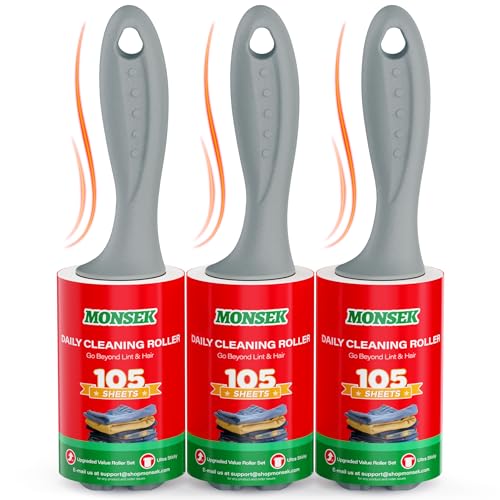
Consider incorporating a lint roller into your routine. This handy tool picks up stray fibers quickly and efficiently, allowing for swift touch-ups between thorough cleanings.
For deeper cleaning, vacuuming with a pet-specific attachment is beneficial. These tools are designed to lift embedded strands that standard attachments might miss, ensuring a more thorough cleanup.


Finally, maintaining a regular grooming schedule for your furry friend can significantly reduce the amount of debris left on your upholstered items. Frequent brushing helps to minimize shedding, keeping your living space tidier.
Cleaning Tips for Pet Fur on Upholstered Surfaces
I recommend using a rubber glove to gather strands effectively. Simply dampen the glove slightly and run your hand over the fabric. The static electricity attracts and clumps the particles together for easy removal.
Tools for Effective Removal
- Lint rollers are handy for swift cleaning. Just roll it over the surface, and it picks up the fibers.
- Vacuum equipped with a pet hair attachment works well for deeper cleaning. Make sure to cover all crevices.
- Microfiber cloths can attract unwanted debris. Wipe surfaces gently to capture the fuzz.
Additional Techniques
- Spray a mixture of water and fabric softener on a cloth to reduce static cling, making it easier to wipe away.
- Furnishings with removable covers can be laundered, so check labels for washing instructions.
- For leather, use a damp cloth and ensure thorough drying afterward to prevent any damage.
Maintaining a fur-free environment involves regular effort, so incorporate these methods into your routine for best results.
Choosing the Right Tools for Dog Hair Removal
Rubber gloves are one of my go-to tools. By simply dampening them slightly and running my hands over surfaces, I find that fur clings to the rubber material, making it easy to collect and dispose of.
A vacuum with a pet grooming attachment is essential in my routine. These specialized tools effectively lift stubborn strands without damaging upholstery. I ensure that the vacuum has strong suction and a HEPA filter to capture allergens too.
Lint rollers are super handy for quick touch-ups. I keep one nearby for immediate cleanups. Just a few sweeps across a chair or couch surface pick up loose fibers quickly.
I also utilize a squeegee, typically meant for windows. The rubber edge works wonders on fabric, pulling fur out of cushions with minimal effort. This method is particularly effective on textured materials.
For stubborn spots, I turn to a pet-specific brush. The bristles are designed for effective fur lifting and can also untangle any matted areas. Regular brushing helps minimize loose strands around the house.
Lastly, considering a fabric shaver can be beneficial. It removes not only fur but also lint and fuzz, keeping upholstery looking fresh. I find it particularly useful for thicker materials that trap hair easily.
Using a Lint Roller: Tips and Tricks
For quick pick-up, a lint roller is my go-to tool. I find that rolling it in different directions captures stubborn strands more effectively. Use firm pressure to ensure the sticky sheets adhere well.
Interchanging sheets regularly is crucial; don’t wait until they are fully covered. Keeping a few extra rolls nearby can save time during a cleaning session.
For larger surfaces, I sometimes fold the lint roller in half, which allows me to cover more area with each pass. I’ve also discovered that rolling across seams and crevices on upholstered items yields better results.
In tight spots, I opt for smaller lint rollers or cut sheets from a larger roll to manage those hard-to-reach areas. Additionally, a damp cloth can be helpful afterward to gather any remaining bits not picked up by the roller.
Lastly, if I want to prolong the life of the roller, I ensure it’s stored in a cool, dry place away from direct sunlight to prevent the adhesive from degrading.
Vacuuming Techniques for Upholstered Furniture
Use a vacuum cleaner equipped with a brush attachment specifically designed for soft materials. This tool loosens embedded strands effectively, capturing particles more thoroughly.
Adopt a slow and steady approach while moving the attachment across the surface. This allows the vacuum to pull up more debris and ensures a deeper clean.
For intricate designs or seams, employ a crevice tool attachment. This precision device dives into tight spots where unwanted fibers tend to accumulate, ensuring all areas are addressed.
Periodically check and clean the vacuum filter. A clogged filter reduces suction power. A well-maintained filter stays efficient, improving performance.
After regular vacuuming, make circular motions to lift any stubborn strands. This technique lifts and gathers residue, enhancing the overall effectiveness of your efforts.
Consider operating the vacuum at different angles. Adjusting the angle can disrupt fibers caught in the fabric, allowing for a more successful pickup.
Utilize a handheld vacuum for quick touch-ups. These devices are convenient for immediate cleanups and can reach areas that larger machines might miss.
Establish a routine to vacuum frequently. Setting a regular schedule helps to manage buildup and keeps surfaces looking their best.
Keep an eye on vacuum maintenance. Regularly check the suction power and ensure that all attachments are clean and in good working order for optimal effectiveness.
Applying Rubber Gloves for Quick Hair Pickup
For swift removal of pet fur, rubber gloves are incredibly effective. Simply put on a pair of these gloves, dampen them slightly, and run your hands over the surfaces. The static electricity created will attract and lift away stubborn strands.
Technique Details
1. Ensure gloves are clean and free from any detergents or residues.
2. Lightly wet the gloves with water. This enhances static cling without making surfaces too moist.
3. Use a sweeping motion over cushions, chairs, or any upholstered item to gather fur.
4. Regularly rinse the gloves under running water to remove collected debris and prevent buildup.
Benefits of This Method
Rubber gloves offer an economical and eco-friendly solution. They are reusable and can be cleaned easily. Plus, this method prevents excessive damage to fabric while effectively collecting even the most tenacious fibers.
| Advantages | Disadvantages |
|---|---|
| Cost-effective | Requires manual labor |
| Reusable | May not reach tight spots |
| Gentle on surfaces | Needs periodic rinsing |
Utilizing Fabric Softener for Easier Clean-Up
Incorporating fabric softener simplifies the process of gathering pesky strands. Here’s a method that works effectively:
- Combine a tablespoon of liquid fabric softener with a spray bottle filled with water.
- Lightly mist the upholstery or items with this solution. Be cautious not to soak them.
- Allow it to sit for a few minutes. This will help loosen the fibers.
- Utilize a clean, dry cloth or sponge to wipe the surface. The strands will clump together, making them easier to remove.
Additional Tips
- Test the solution on a small, hidden area to ensure no adverse reaction occurs.
- Opt for a fabric softener without strong fragrances or dyes if sensitive to odors.
- Combine this technique with a lint roller or rubber glove method for efficient results.
This approach not only aids in the process but may leave a fresh scent in your living space. I’ve found that using this method regularly makes maintenance much simpler.
Regular Maintenance: Reducing Hair Accumulation
I schedule weekly grooming sessions to minimize fur fallout. Brushing the coat regularly prevents loose strands from transferring to surfaces. Utilizing the right brush type for your pet’s fur texture ensures maximum effectiveness.
Laundering pet bedding weekly also aids in minimizing shedding indoors. By washing these items, I reduce the likelihood of securing stray strands on other household textiles.
I designated specific areas for play and rest, which localizes potential messes. By encouraging my furry companion to stay in these areas, I can focus cleaning efforts strategically.
<p.Installing pet barriers helps to limit access to certain rooms or furniture types. This approach significantly reduces the amount of debris left throughout the home.
<p.Adding a fabric-safe anti-static spray to upholstery can also make a difference. It reduces cling and helps maintain a cleaner appearance longer. I apply this treatment every month for optimal results.
<p.Routine vacuuming with a pet-specific attachment removes embedded strands effectively. Ensuring I perform this chore every few days keeps particles in check and minimizes buildup.
<p.I stay observant and proactive; addressing shedding issues promptly prevents larger clean-up tasks later. By maintaining consistent habits, I create a more pleasant living environment.
Deep Cleaning Methods for Stubborn Hair Buildup
I recommend using a damp cloth to tackle persistent clumps on surfaces. Lightly moisten the fabric and wipe across the area, which helps gather the strands effectively. This technique works well for various types of upholstery.
Sticky Tape Technique
<p.Apply a strip of heavy-duty tape to the targeted area, pressing down firmly before lifting it away. The adhesive pulls up tough residues without causing damage to the material. This method can be particularly useful on intricate textures.
Steam Approach
<p.Using a handheld steamer can loosen embedded strands. Direct steam onto the affected area for a few seconds, then follow up with a soft brush or cloth to lift away the loosened particles. This approach not only removes debris but also refreshes the fabric.