
 Caleb Turner
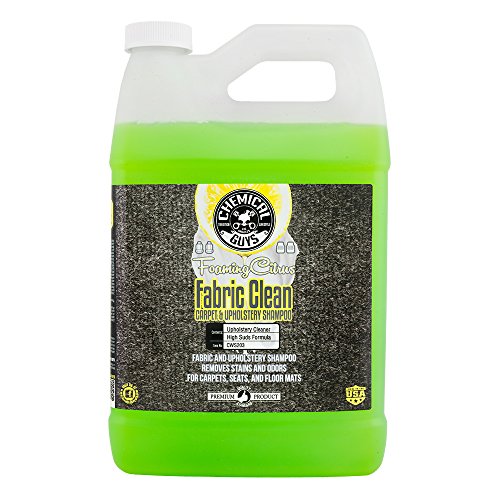
For freshening up your textured seating, begin by utilizing a lint roller or soft brush to remove surface dust and debris. Focus on working with the fabric’s nap to avoid damaging its fibers.
If stains are present, prepare a mild solution by mixing equal parts of water and white vinegar in a spray bottle. Lightly spritz the affected area, then gently blot with a clean cloth. I recommend testing the solution on a hidden section first to ensure it doesn’t alter the color.
For a deeper refresh, consider steam cleaning. Use a handheld steamer and keep the nozzle a few inches away from the fabric to prevent overheating. This method lifts dirt and revitalizes the texture without requiring excessive moisture.


Finish by allowing the material to air dry completely, avoiding direct sunlight which can cause fading. Regular maintenance with a vacuum cleaner featuring an upholstery attachment will help keep your statement pieces looking their best.
Cleaning Techniques for Velour Upholstery
Begin by vacuuming the surface thoroughly using an upholstery attachment. This step removes dirt and dust that can affect the cleaning process.
For deeper stains, create a solution of warm water and mild detergent. Dampen a soft cloth with the mixture, avoiding oversaturation, and gently blot the stained area. Avoid scrubbing, which might damage the fabric.
If a larger area requires attention, consider using a steam cleaner specifically designed for upholstery. Test an inconspicuous area first to ensure no discoloration occurs.
Drying and Maintenance
After working on the upholstery, allow it to air dry completely. Keep it away from direct sunlight to prevent fading. Once dry, use a soft brush to restore the texture and raise the fibers, ensuring it looks its best.
Regular Care Tips
Regularly using a lint roller or a soft brush helps maintain the fabric’s appearance. Spot-clean any spills immediately to prevent them from becoming permanent marks.
Assessing the Type of Corduroy Fabric
Identify the specific variety of ribbed textile before initiating any cleaning. Common categories include classic, pinwale, and wide-wale. Each type possesses distinct characteristics affecting maintenance strategies.
Classic Corduroy
This version features wider ribs, making it softer and more durable. It behaves well with vacuuming and gentle brushing, so use a soft-bristled brush to remove dirt and dust effectively.
Pinwale Corduroy
This fabric has finer ribs, lending a smoother appearance. It may require a more delicate approach; steam cleaning can be advantageous due to its gentleness. Always check care instructions, as some variations might be machine washable.
Assessing the fabric type ensures I utilize the most fitting technique, preventing potential damage while maintaining the integrity of my upholstered pieces.
Gathering Required Cleaning Supplies
I recommend assembling the following items to ensure a thorough refresh of your upholstered pieces. Having the right tools will streamline the process and enhance effectiveness.
| Item | Description |
|---|---|
| Vacuum Cleaner | Opt for one with an upholstery attachment to remove dust and debris efficiently. |
| Stiff-bristle Brush | This is useful for loosening dirt from the fabric texture without causing damage. |
| Sponge or Soft Cloth | A gentle option for applying cleaning solutions without scratching the surface. |
| Mild Detergent | Choose a soap specifically formulated for delicate materials, ensuring it won’t cause discoloration. |
| White Vinegar | A natural deodorizer and stain remover suitable for various types of marks. |
| Water | Use lukewarm water for mixing solutions, as hot water can set stains. |
| Spray Bottle | Ideal for applying cleaning mixtures evenly across the textured surface. |
| Lint Roller | A quick option to remove lint and hair before more thorough cleaning. |
Collect these supplies before proceeding to the detailed maintenance to ensure a smooth and effective process. Each item contributes to achieving the best results and maintaining the quality of your pieces.
Testing for Colorfastness on a Hidden Area
Select a discreet section of the textile, such as the underside of a cushion or an inconspicuous seam. Dampen a clean white cloth or cotton ball with water. Gently rub the concealed area with the cloth. Observe if any color transfers onto the fabric.
If there is no color transfer, the material is likely colorfast. If staining occurs, avoid using water-based cleaners on the entire piece. Instead, consider using a dry cleaning solvent, testing it similarly on a hidden spot first.
After testing, allow the area to dry completely. Assess the dried section for any discoloration or fading to ensure no adverse reactions occur from cleaning products. This preparation helps in choosing the right cleaning approach without risking visible damage.
Removing Loose Debris and Dust
Begin with a soft-bristled brush or a vacuum cleaner with an upholstery attachment. Gently run the brush or attachment over the surface, ensuring to catch dirt and crumbs lodged within the fabric’s grooves. Use short, controlled strokes to avoid damaging the material.
If opting for a vacuum, select a low-suction setting to prevent any potential harm to the texture. Pay close attention to seams and crevices where particles tend to accumulate.
For loose debris, a lint roller can be exceedingly useful. Simply roll it across the area for swift removal of hair and smaller particles.
As a final touch, you might find a damp microfiber cloth handy for wiping down surfaces, capturing any leftover dust that resistantly clings to the fibers. Make sure the cloth is just slightly damp to avoid soaking the material.
Spot Cleaning Stains with Mild Detergent
For immediate attention to spots, mix a small amount of mild detergent with warm water to create a soapy solution. I dampen a clean cloth or sponge in this mixture, ensuring it’s not overly wet to avoid saturation of the fabric. I gently dab the stained area, working from the outside toward the center to prevent spreading the stain.
Technique for Stain Removal
I apply gentle pressure while dabbing, allowing the solution to lift the mark without damaging the surface. After treating the stain, I use another cloth dampened with clean water to blot away any detergent residue. Finally, I let the area air dry completely before assessing if further action is needed.
Additional Tips
If the stain persists, I repeat the process or consider using a specialized upholstery cleaner suitable for the specific fabric type. Always remember to spot test in an inconspicuous area before applying any solution to ensure it doesn’t alter the texture or color.
Using a Steam Cleaner for Deep Cleaning
For thorough maintenance, I utilize a steam cleaner, which effectively eliminates deep-set dirt and allergens from the fabric without damaging it. Prior to use, I ensure that the steam cleaner is set to a low heat setting. This prevents the risk of scorching the fibers.
Preparation Steps
I begin by removing any excess debris and dust using a vacuum with an upholstery attachment. After this, I fill the steam cleaner’s reservoir with distilled water, which prevents mineral build-up and ensures optimal performance. Always allow the cleaner to heat up fully before applying it to the surface.
Application Techniques
As I work across the fabric, I maintain a distance of about 6 inches between the nozzle and the surface. This distance helps in distributing steam evenly without saturating any specific area. I gently glide the nozzle along the grooves of the fabric, allowing the steam to penetrate effectively. Following the steaming process, I lightly brush the fabric with a soft-bristle brush to restore its texture.
Drying the Fabric Properly
After addressing the stains, I let the material air dry naturally. Avoid direct sunlight, as it can lead to fading. Instead, I place the item in a well-ventilated space, ensuring good airflow around it. If the piece is large, I may use fans to circulate air effectively.
For faster drying, a clean, dry towel can be pressed against the surface to absorb excess moisture. I gently blot rather than rub, which helps maintain the texture. If the fabric is heavily soaked, I may consider using a hairdryer on the cool setting, maintaining a safe distance to prevent heat damage.
Once the surface feels dry to the touch, I brush it lightly with a soft-bristled brush to restore the nap. This step enhances the look and texture, ensuring it appears fresh and well-kept.
Protecting Fabric with Spray Conditioner
The application of a fabric spray conditioner is a straightforward approach to enhance the durability and appearance of your upholstery. After thorough cleaning, this protector can help maintain the texture and repels stains.
Steps for Applying Spray Conditioner
- Choose a high-quality spray specifically formulated for upholstery.
- Spray evenly over the fabric from a distance of approximately 6-8 inches.
- Do not oversaturate; a light mist is sufficient.
- Allow it to dry completely before using the item to ensure full effectiveness.
Benefits of Using Fabric Spray Conditioner
- Creates a protective barrier that resists spills and stains.
- Maintains the original texture and appearance over time.
- Facilitates easier spot cleaning for future mishaps.
Reapplying this treatment every few months will help keep your upholstery looking fresh and prolong its lifespan.
Regular Maintenance Tips for Longevity
To preserve the integrity of your textured upholstery, ensure a routine schedule of upkeep:
- Vacuum weekly with a brush attachment to lift dirt and prevent matting.
- Rotate cushions periodically to promote even wear and tear.
- Apply a fabric protectant spray every 6-12 months to create a barrier against spills and stains.
- Address spills immediately with a clean, damp cloth to blot rather than rub.
- Keep your environment at a consistent humidity level to prevent shrinkage and stretching.
By following these proactive measures, you can extend the life of your upholstered items significantly.
FAQ:
What are some basic steps to clean corduroy furniture?
To clean corduroy furniture, begin by vacuuming the fabric to remove loose dirt and dust. Then, for spot cleaning, use a mixture of mild detergent and water on a soft cloth to blot stains gently. Avoid rubbing, as this can damage the fabric. For overall cleaning, consider using a carpet cleaner designed for upholstery, following the manufacturer’s instructions. Finally, let the furniture air dry completely to avoid mildew.
Can I use a steam cleaner on corduroy furniture?
Using a steam cleaner on corduroy can be effective, but it’s important to proceed with caution. Test a small, inconspicuous area first to ensure the fabric can handle the heat and moisture. If your corduroy is safe for steam cleaning, keep the nozzle at a distance and avoid saturating the fabric. Allow it to dry fully afterwards to prevent any water damage.
What should I avoid using when cleaning corduroy furniture?
Avoid harsh chemicals or bleach, as they can damage the fibers and fade the color. Also, steer clear of scrubbing brushes that might change the texture of the corduroy. It’s preferable to use soft cloths or sponges when cleaning to minimize any potential harm. Additionally, high heat, such as from hair dryers or direct sunlight, can warp the fabric.
How do I remove pet hair from corduroy furniture?
To remove pet hair from corduroy, you can use a lint roller or sticky tape, which works well to lift hair off the fabric. Another method is to dampen your hands and run them over the corduroy; the hair will cling to the moisture. For a more thorough cleaning, a vacuum with an upholstery attachment can also effectively remove fur.
Is there a specific product recommended for cleaning corduroy upholstery?
While there are many upholstery cleaners available, choose one that is specifically labeled as safe for corduroy or delicate fabrics. Look for enzymatic cleaners for stains, which can break down organic matter without harming the fibers. Always follow the directions on the label, including testing the product on a hidden spot before applying it to a more visible area.
What is the best method to remove stains from corduroy furniture?
To effectively remove stains from corduroy furniture, begin by identifying the type of stain you are dealing with. For water-based stains like coffee or juice, gently blot the area with a clean cloth soaked in lukewarm water, being careful not to rub the fabric. For oil-based stains, sprinkle cornstarch or talcum powder on the area to absorb the oil, letting it sit for about 15 minutes before brushing it off. If the stain persists, mix a solution of mild detergent and water, apply it to the affected area with a soft cloth, and rinse with clean water. Always test any cleaning solution on a small, inconspicuous area first to avoid damage to the fabric.
How often should I clean my corduroy furniture to maintain its appearance?
The frequency of cleaning corduroy furniture typically depends on usage and the environment. For general upkeep, vacuuming once a week can help remove dust and debris. A deeper clean every 3 to 6 months is advisable to maintain the fabric’s texture and color. If your furniture is exposed to pets, children, or high traffic, consider cleaning it every couple of months. Utilizing a fabric protector after cleaning can also help keep stains at bay and prolong the life of the corduroy. Always refer to the manufacturer’s care instructions for specific recommendations.


