Caleb Turner

I recommend addressing the issue immediately by absorbing as much liquid as possible using paper towels or a cloth. Blot the area gently, avoiding any rubbing, as this could spread the stain further into the material.
Next, create a mixture of equal parts water and white vinegar. This solution not only helps neutralize odors but also acts to lift any pigments embedded in the fabric. Apply the mixture to the affected area and let it sit for about 5 to 10 minutes before blotting again with a clean cloth.
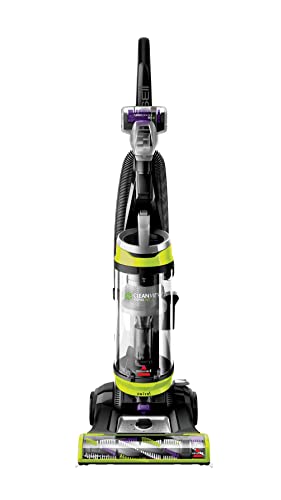
Afterward, sprinkle baking soda over the damp area. This will assist in further odor absorption. Allow it to sit for several hours, or ideally overnight, before vacuuming it up. In tougher cases, consider using an enzymatic cleaner specifically designed for tackling biological stains, as these products break down the source of the smell rather than just masking it.
Removing Feline Waste Odor from Upholstery
I recommend acting quickly to prevent any potential staining. Blot the affected area with a clean cloth to absorb as much liquid as possible. Avoid rubbing, as this might push the substance deeper into the fabric.


Mix a solution of equal parts white vinegar and water in a spray bottle. Spray it generously on the stained area, ensuring it penetrates the fibers. Let it sit for about 5-10 minutes. The vinegar helps neutralize the smell.
Deodorizing Process
After the vinegar solution has set, blot the area again with a clean, dry cloth to remove excess liquid. To further eliminate the scent, sprinkle baking soda over the treated spot. Allow it to sit for several hours, or preferably overnight, to absorb any lingering odors.
Finally, vacuum the area thoroughly to remove the baking soda and any remaining residue. If the smell persists, you can apply an enzyme-based cleaner specifically designed for biological stains. These products break down the components causing the odor.
Preventive Measures
To deter future incidents, consider using a protective cover on your upholstery or employing a deterrent spray that discourages your pet from visiting the area. Regular cleaning and monitoring can help maintain a fresh environment.
Identifying Cat Urine on Furniture
I quickly assess the situation by looking for specific signs. An immediate indicator is a strong, ammonia-like odor, particularly noticeable in enclosed spaces. This scent often intensifies in warmer conditions.
Visual inspection is crucial; I search for yellowish stains or wet spots that indicate recent incidents. Sometimes, the damage may not be visible to the naked eye, so I use a blacklight to reveal hidden areas, as urine will glow under ultraviolet light.
Texture can also help me identify the problem. Fabric or upholstery may feel damp or sticky in affected spots. Additionally, if the area feels crunchy or hard, it could indicate dried residue from previous encounters.
Listening for unusual behaviors from my pet adds another layer of insight. If my cat begins to mark territory or avoids the area altogether, this could signal a lingering scent that they perceive, prompting further investigation.
- Odor: Intense, ammonia-like smell.
- Color: Yellowish stains or darkened spots.
- Blacklight: Fluorescence under UV light.
- Texture: Dampness or stickiness.
- Behavior: Marking or avoidance by my pet.
Using these methods, I can effectively determine where attention is needed, addressing the issue promptly to prevent further complications.
Gathering Necessary Cleaning Supplies
Begin with paper towels or absorbent cloths to soak up liquid. These materials quickly trap moisture and prevent spreading.
A quality enzymatic cleaner is imperative; it breaks down proteins that cause lingering odors. Ensure the product is safe for various surfaces.
Baking soda serves as an excellent deodorizer. I sprinkle it generously on affected areas after cleaning to absorb any residual scents.
White vinegar mixed with water can work wonders. I combine equal parts for a natural solution that neutralizes odors effectively.
Consider a spray bottle for convenient application. This allows for targeted spraying without over-saturating the area.
Finally, gloves protect your hands during the process. Choose a pair that fits well to maintain dexterity while working.
Testing Cleaning Products on Furniture
Before applying any solution to a large area, I recommend conducting a spot test. This prevents potential damage to the material or color fading. Choose an inconspicuous spot on the piece and apply a small amount of the cleaner. Wait a few minutes, then blot the area with a clean cloth to check for any adverse reactions.
Take into account the type of material you’re working with. Different surfaces may react differently to specific ingredients. For instance, wood, fabric, and leather often require unique approaches. Consult manufacturer guidelines or product labels for compatibility.
| Material Type | Recommended Testing Method |
|---|---|
| Wood | Use a diluted solution and apply with a soft, microfiber cloth. |
| Fabric | Spray a small amount onto a hidden seam; check for color change or texture alteration. |
| Leather | Apply a drop in an unseen spot; observe for any discoloration or dryness. |
Take notes on the results of your tests, including any changes in texture or color. If there are no negative outcomes after testing, you can proceed with confidence to clean the entire area. Otherwise, explore alternative solutions or methods specifically designed for that material.
Applying Enzymatic Cleaners Correctly
I always ensure the surface is free of debris before using an enzymatic cleaner. Removing solid matter first allows the formula to penetrate and work effectively. I spray a sufficient amount of the cleaner directly onto the affected area, saturating it thoroughly. For best results, I let the product sit for at least 10-15 minutes, allowing the enzymes to break down the organic compounds present.
Rinsing and Drying
After the waiting period, I gently blot the area with paper towels or a clean cloth to absorb any excess moisture. It’s important not to rub, as this could push the material deeper. Once I’ve blotted the area, I might rinse it lightly with water and blot again to ensure no residues are left. Finally, I let the spot air dry completely; I find that placing a fan nearby speeds up the process.
Reapplication if Necessary
If I notice any lingering odors, I treat the spot again. Sometimes, multiple applications are required for complete removal, especially on porous materials. Each time, I follow the same steps to maximize the effectiveness of the enzymatic solution.
Using Baking Soda as a Deodorizer
I sprinkle a generous amount of baking soda over the affected area and gently rub it in with a soft cloth or sponge. This powder not only neutralizes odors but also absorbs moisture, which is crucial in preventing lingering smells. After letting it sit for several hours, or ideally overnight, I vacuum it up thoroughly to ensure all residues are removed.
Enhancing the Deodorizing Effect
For an added boost, I combine baking soda with a few drops of essential oils such as lavender or lemon. This mixture not only amplifies the odor-neutralizing properties of the baking soda but also leaves a fresh scent. I apply this mixture in the same manner as before, allowing it to work its magic before vacuuming.
Regular Maintenance
I repeat this process regularly on surfaces to help maintain a fresh environment. Keeping a small container of baking soda nearby allows for quick application to new spots, ensuring that unpleasant odors don’t settle in. This simple approach makes a significant difference in the overall freshness of my living space.
Cleaning Different Types of Upholstery
For fabric upholstery, I apply a mixture of white vinegar and water. This combination neutralizes odors effectively. Once the solution is applied, I blot the area with a clean cloth, avoiding harsh scrubbing to prevent damage to the fibers.
When tackling microfiber, it’s critical to use a small amount of dish soap mixed with water. I gently dab the solution onto the stained area and use a soft brush to lift the stain without soaking the material.
For leather, I opt for a specialized leather cleaner. I ensure to use a damp cloth to wipe the affected area, taking care to follow up with a leather conditioner to maintain its suppleness after treatment.
Vinyl upholstery requires a straightforward approach. I mix water with a gentle all-purpose cleaner and wipe the surface with a microfiber cloth. This quick method keeps the material in good shape while eliminating odors.
In the case of delicate fabrics like silk or velvet, I test a small, inconspicuous area first with a diluted solution of mild detergent and water. Blotting gently with a soft cloth prevents potential damage or alteration of texture.
Preventing Future Urination Accidents
I focus on providing ample litter boxes throughout the house. Each should be easily accessible, ideally one for each floor, and an additional one for good measure. This increases the chances of my pet using them rather than seeking alternatives.
Regular Litter Box Maintenance
Daily scooping and regular changing of litter prevent odors and keep the box inviting. A clean environment encourages usage, reducing the likelihood of mishaps.
Behavioral Training Techniques
Investing time in positive reinforcement can significantly improve habits. Rewarding my feline companion with treats or affection when using the designated areas helps reinforce the desired behavior. Monitoring their litter box habits also allows me to detect potential issues early.
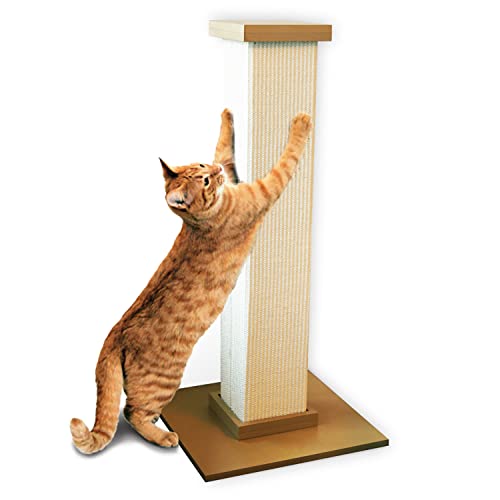
Health monitoring is essential. If my pet shows sudden behavioral changes, a visit to the veterinarian is crucial, as this could indicate health problems. Keeping a fresh supply of scratching posts and engaging toys offers alternative outlets for my pet’s energy, further decreasing the chances of accidents.
Ultimately, making my environment as welcoming as possible will help maintain proper habits, ensuring a harmonious space for both of us.
Maintaining a Fresh-Smelling Home
Utilizing an air purifier can significantly improve indoor air quality and effectively neutralize unpleasant odors. Choose one with a HEPA filter to target airborne particles and allergens.
Frequent Ventilation
Opening windows and utilizing exhaust fans regularly promotes airflow and helps eliminate lingering scents. Even short bouts of ventilation can make a noticeable difference.
- During pleasant weather, leave windows open to encourage outdoor air circulation.
- Incorporate exhaust fans in kitchens and bathrooms to minimize trapped odors.
Regular Surface Maintenance
Wiping down surfaces like tables, shelves, and other furniture pieces with suitable cleaning solutions will prevent the buildup of odors. Pay special attention to areas that tend to retain smells.
- Daily cleaning: Quick surface wipes with a mild detergent and water help keep odors at bay.
- Weekly deeper cleaning: Incorporate a vinegar solution or a specific deodorizing product for a more thorough treatment.
Implementing odor-absorbing materials such as activated charcoal and baking soda in strategic locations can further help in maintaining freshness. Place these deodorizers in corners, behind furniture, and near sources of odors.
Lastly, introducing indoor plants not only adds to aesthetics but also contributes to cleaner air and a fresher scent throughout the home.