Caleb Turner
Begin by blotting the affected area with paper towels to absorb any residual liquid. This initial step is crucial for minimizing the stain’s spread. Avoid rubbing, as this may push the liquid deeper into the grain of the wood.
Next, prepare a solution of equal parts white vinegar and water in a spray bottle. Lightly mist the stained area without saturating the surface. Vinegar neutralizes odors and helps break down the stain.
Allow the mixture to sit for around five to ten minutes. This will give the vinegar time to work its magic. Afterward, gently wipe the area with a clean cloth, following the direction of the grain. Ensure that any remaining moisture is removed to prevent warping.


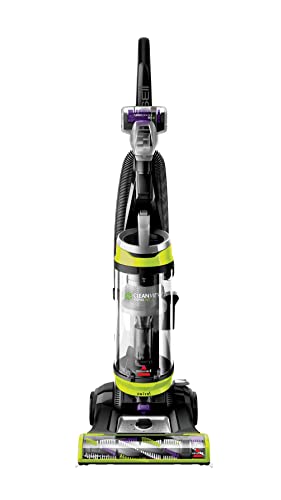
For lingering smells, sprinkle baking soda over the spot once it’s dry, allowing it to sit for several hours or overnight. This will absorb any persistent odors. Afterward, vacuum the area to remove the baking soda residue.
If necessary, repeat these steps to tackle stubborn remnants, ensuring the elegance of your wooden pieces remains intact.
Removing Stains from Wooden Surfaces
Mix a solution of warm water and a few drops of mild dish soap. Use a soft cloth to gently wipe the affected area without saturating the wood.
To address lingering odors, create a blend of equal parts white vinegar and water. Apply this mixture with a clean cloth, allowing it to sit for several minutes before wiping it away.
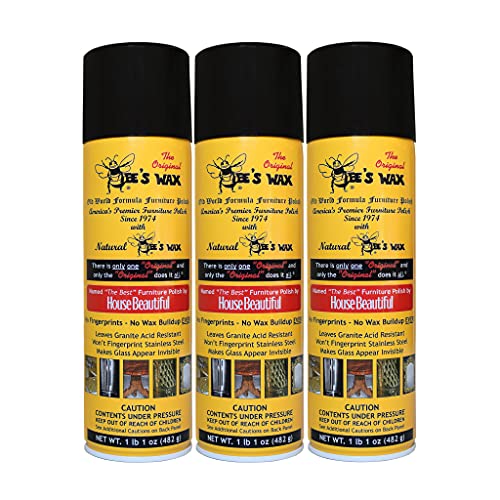
If discoloration occurs, consider using a furniture polish containing natural oils to restore the luster. This will help mitigate any visible marks while conditioning the wood.
For persistent issues, baking soda can be sprinkled over the area after applying the vinegar solution. Let it stand for a few hours, then vacuum or gently brush away the residue.
Always test any cleaning solution on an inconspicuous area first to ensure it won’t damage the finish.
Identifying Cat Urine on Wood Surfaces
To effectively locate feline waste on wooden structures, I focus on specific indicators. First, I check for yellowish stains that may suggest the presence of liquid. These marks can vary in intensity based on the surface finish and the length of time the substance has been present.
Olfactory Cues
The distinct odor is a primary sign. A sharp, ammonia-like smell typically indicates a recent incident, while a more subdued scent may indicate an older mark. Identifying these scents quickly can help determine the level of urgency in addressing the issue.
Light Method
I often employ an ultraviolet (UV) flashlight to assist in detection. Under UV light, certain biological substances fluoresce, making it easier to spot areas that might otherwise be overlooked. This method is particularly effective for surfaces where liquid may have penetrated or soaked into the finish.
| Indicator | Description |
|---|---|
| Stains | Yellow or brown discoloration on surface. |
| Odor | Pungent ammonia-like scent, strong in recent instances. |
| Fluorescence | Visible under UV light, highlights hidden areas. |
Using these techniques, I can effectively pinpoint affected areas, facilitating a more efficient treatment process. Regular inspections help maintain the integrity of the surface, allowing for timely interventions whenever necessary.
Gathering Necessary Cleaning Supplies
To tackle the task successfully, I’ll need to gather specific items to ensure thorough remediation of the surfaces. Here’s a concise list:
- Absorbent Towels: Microfiber or cotton cloths are ideal for blotting and soaking up liquid.
- Enzymatic Cleaner: Look for a formula designed to break down biological substances, aiding in odor removal.
- Vinegar: White vinegar can neutralize odors and serve as a natural disinfectant.
- Water: Clean, lukewarm water will be needed for diluting solutions and rinsing surfaces.
- Spray Bottle: A handy tool for applying cleaning solutions evenly.
- Putty Knife or Scraper: Useful for gently removing any residue.
- Gloves: Protect my hands while handling cleaning solutions.
Having these items ready will streamline the process and maximize effectiveness. Thorough preparation is key to achieving the best outcome.
Preparing the Wood Furniture for Cleaning
Prior to addressing the issue, ensure the surface is free of dust and debris. Use a soft, dry cloth to wipe down the area.
Next, check for any visible damage on the surface. Fill in scratches or dents using appropriate wood filler, allowing sufficient time for it to dry and cure before proceeding.
Move items away from the vicinity to prevent any damage during the cleaning process. This includes decorative objects, electronics, or anything that may obstruct access or interfere with the task.
It’s advisable to test any chosen cleaning solution on a hidden or inconspicuous area first. This will help verify that the solution does not discolor or deteriorate the finish of the structure.
For extra caution, lay down a towel or old fabric beneath the area being treated to catch any drips or spills that may occur during the procedure.
After ensuring that everything is in order, gather all preferred supplies at hand for a seamless approach to restoration.
Choosing the Right Cleaning Solution
Select the appropriate cleaning agent based on the severity of the situation. I prefer enzymatic sprays as they effectively break down the compounds present in animal waste, neutralizing odors without damaging surfaces. For less persistent issues, a mild vinegar solution (mix one part vinegar with three parts water) serves well to tackle minor stains. Baking soda can also be beneficial; sprinkle it on the area after applying a liquid solution to absorb any remaining odors.
Homemade vs. Commercial Solutions
Homemade options are often cost-effective and can be made with common household items. However, commercial products, particularly those designed specifically to target pet-related issues, guarantee more reliable results. Always check the labels for compatibility with specific materials to avoid damage. I usually conduct a patch test on a hidden area to ensure the selected product does not react adversely with the finish.
Selecting Based on Material Finish
Consider the finish of the surface before choosing a solution. For varnished surfaces, water-based solutions work best, while oil-based finishes may require specialized cleaners. Stay clear of any abrasive materials or substances that contain ammonia, as they might lead to irreversible damage or discoloration.
Applying the Cleaning Solution Correctly
First, I ensure the surface is dry before application. Using an appropriate applicator, I apply the solution directly to the stained area. A spray bottle works best for this, allowing for even distribution without oversaturating the area.
Next, I let the mixture sit for about 5-10 minutes. This dwell time is crucial for breaking down any remnants effectively. I avoid scrubbing during this period, as it could damage the finish.
After Application Steps
Once the solution has set, I gently blot the area with a soft, absorbent cloth. I use a pressing motion instead of rubbing, which can lead to further embedding particles into the surface. I repeat this process until the cloth no longer picks up residue.
Final Touches
To ensure all moisture is removed, I allow the area to air dry completely. If necessary, a light buffing with a microfiber cloth can restore some shine. I also keep an eye on the furniture for any lingering odors or discoloration days after treatment.
For persistent issues, I may consider a secondary application while being mindful of the product’s instructions. Continuous assessment of the results ensures optimal outcomes.
Dealing with Stains and Odors in the Wood
I recommend tackling stains by using a mixture of white vinegar and water, as it effectively neutralizes odors and can lift discoloration. Combine equal parts vinegar and water in a spray bottle, then apply it lightly to the affected area.
After applying the solution, blot with a clean cloth, absorbing moisture without rubbing. This method helps to prevent further damage to the surface. Make sure to test this solution on a small, inconspicuous area beforehand to ensure compatibility with the finish.
Stain Removal Techniques
If the initial cleaning doesn’t completely eliminate the stain, consider mixing baking soda with water to create a paste. Apply this paste directly to the stain and let it sit for about 15 minutes before gently rubbing it off with a soft cloth.
For particularly stubborn marks, using a product specifically designed for surface restoration may be necessary. Follow the manufacturer’s instructions for application and drying times to ensure optimal results.
Odor Neutralization Strategies
To further tackle persistent odors, place an open container of baking soda near the stained area. Allow it to sit for several hours or overnight. Baking soda is known for its ability to absorb odors effectively.
Consider exploring natural oil solutions like lemon or tea tree oil mixed with water, which not only help neutralize smells but also leave a pleasant fragrance. Just remember to do a patch test before use.
Remaining persistent and methodical yields the best outcome; with patience and the right approach, restoring surfaces is entirely achievable.
Preventing Future Accidents on Wood Surfaces
First, consider using a pheromone diffuser or spray to create a calming environment. These products can reduce stress for my pets, decreasing the likelihood of mishaps.
Secondly, I always ensure that my furry friends have accessible and comfortable bathroom options. Maintaining a clean litter box is crucial; I scoop daily and change the litter regularly to keep it fresh.
I also create a dedicated space for my pets to relax, equipped with their beds and toys. This discourages them from climbing onto my treasured wooden pieces.
Regularly reinforcing positive behavior with treats when they use the litter box encourages them to continue this habit.
Monitoring Behaviour
Observing their behavior helps identify any potential issues. If my pet seems anxious or restless, it may indicate a need for more attention or stimulation. Engaging in playtime reduces anxiety and promotes well-being.
Establishing routine feeding and bathroom breaks can help prevent unexpected situations. Predictability keeps my pets stable and confident.
Protective Measures for Wooden Pieces
Applying a protective sealant to wood surfaces can provide an extra layer against accidents. I opt for finishes designed to withstand moisture and stains, ensuring easier maintenance.
Additionally, using decorative throws or covers can safeguard valuable pieces from potential incidents while adding to the aesthetic. Regularly checking these materials for signs of wear and replacing them when necessary is a good practice.
Overall, creating a harmonious environment and implementing a few preventive strategies can significantly reduce the chances of unexpected messes. My focus is on ensuring my pets feel secure while preserving my cherished belongings.
Maintaining Wood Furniture After Cleaning
Regularly applying a high-quality wood polish enhances the appearance of your surfaces while providing a protective layer against damage. I recommend using a product specifically formulated for the type of finish on your items. Follow the application instructions closely for the best results.
Routine Inspections
Check your pieces periodically for any signs of wear or lingering odors. Lightly sand any rough patches with fine-grit sandpaper, followed by a polish application to restore the original sheen. This also helps to prevent deeper issues by keeping the finish intact.
Humidity Control
Maintaining consistent humidity levels in your space prevents wood from warping or cracking. Consider using a dehumidifier in damp weather and a humidifier during dry months. An ideal range is between 30%-50%, which helps preserve the integrity of the material.