Caleb Turner
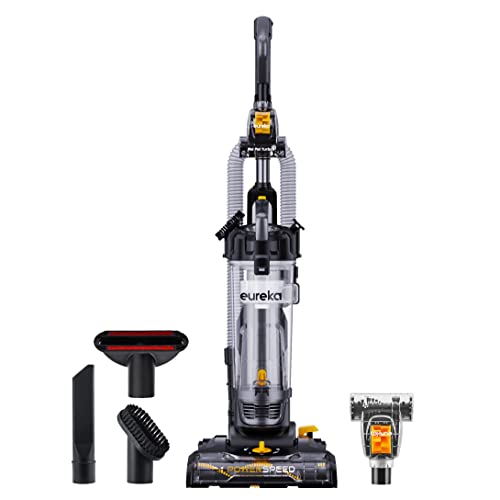
Utilizing a vacuum cleaner equipped with a hose and brush attachment is my go-to method for maintaining the flooring while avoiding disruptions to your interior setup. Focus on the areas underneath and around larger objects first, making sure to reach into tight spots using the nozzle to gather dust and debris.
A mixture of mild detergent and warm water in a spray bottle works wonders for those stubborn stains. Lightly mist the affected areas, allowing the solution to penetrate for a few minutes before gently blotting with a clean cloth. Always avoid soaking the surface, as moisture can seep beneath and compromise the underlayer.


Employing a portable steam cleaner can significantly enhance the overall freshness. Simply maneuver the device around your anchored pieces, moving any small items out of the way as required. This technique not only removes embedded dirt but also sanitizes the fibers, providing a revitalized appearance.
To maintain a tidy look, it’s advisable to rearrange your belongings periodically. This will not only assist in reaching all parts but also refresh the space visually. Regular upkeep ensures that your environment remains inviting and cozy without major rearrangements.
Steps to Tidy Up Flooring Surfaces Surrounded by Objects
Move lighter items away from densely packed areas. For heavier structures, apply furniture sliders or pads to shift them slightly without lifting. This allows access to hard-to-reach spots.
Tools Required
- Vacuum cleaner with attachments
- Soft-bristled brush
- Fabric-safe cleaning solution
- Microfiber cloths
- Bucket of warm water
- Rubber gloves
Process Overview
- Start with a thorough vacuuming session to eliminate loose dirt and debris.
- Target stains using a gentle brush and a fabric-safe solution. Blot rather than scrub to avoid damage.
- For broader areas, use a damp cloth with water to remove residual grime.
- Allow the area to air dry completely to prevent mold or odors.
- Replace any moved items carefully, checking for residual moisture.
Regular maintenance keeps surfaces looking fresh, even in busy spaces. Keeping cleaning supplies handy encourages prompt attention to any messes that arise.
Assessing the Cleanliness of Your Carpet
I begin by examining the surface for visible stains, dirt, or discoloration. A close inspection helps me identify areas that need attention. Using my hand, I can gauge texture; rough spots often indicate embedded grime.
<pNext, I check for odors, which can signal deeper issues. A musty smell suggests trapped moisture or mildew, while pet-related scents indicate spots needing special treatment. I notice how the fibers react to foot traffic–areas that look flattened or worn may require more intensive work.
Lighting plays a crucial role in my assessment. Natural light reveals hidden dirt, so I prefer to inspect the area during the day. I also analyze how traffic patterns affect wear; paths frequently used often accumulate more dirt and stains.
Finally, I consider the age of the fibers. Older materials may require gentle, specialized methods, while newer alternatives can handle more aggressive treatment. This holistic evaluation guides my strategy for maintaining the freshness of my living space.
Preparing Your Furniture for Carpet Cleaning
Shift larger pieces, like sofas and tables, to create open pathways for ease of access. Place felt pads under the legs of remaining items to minimize friction and prevent scratches on surfaces. Use plastic sheeting or drop cloths to shield items from moisture or cleaning agents during the process. This prevents damage while allowing thorough treatment in hard-to-reach areas.
Protecting Delicate Items
For fragile decorations and electronics, consider removing them from the area entirely. If relocation isn’t feasible, wrap them securely in bubble wrap or blankets for added protection. Ensure to safeguard any cords and wires by securing them away from high-traffic zones.
Organizing Smaller Decors
Clear off smaller pieces like lamps and knick-knacks from surfaces. Group similar items in boxes or bins to keep track of everything. Label the containers to streamline the process of putting them back in place after the job is done.
Choosing the Right Cleaning Method for Your Carpet
Select a method based on the type of fabric and level of soiling. For wool or silk, avoid heat and harsh chemicals. A gentle shampoo or foam cleaner is ideal. For synthetic fibers, steam cleaning can effectively remove deep stains without damage.
Evaluate whether a dry or wet technique suits your needs. Dry cleaning eliminates moisture risk, making it beneficial if space is limited. Wet cleaning can tackle heavy contaminations but requires sufficient drying time. Always air out the area afterward to avoid mildew.
Methodologies to Consider
Consider using an extraction machine for thoroughness. This approach pulls debris from deeper layers rather than just the surface. If opting for a DIY approach, utilize a simple vinegar and water mixture for light refreshment – it’s safe and straightforward.
Timing is Key
Plan cleaning tasks considering foot traffic patterns. Off-peak times, like weekdays, are preferable. Allow ample time for drying, especially if utilizing moisture-intensive techniques. This ensures longevity and preserves appearance.
Moving Smaller Items Safely
To prevent injuries and damage, use these techniques for transporting minor pieces:
-
Assess Weight: Before lifting, determine if one person can manage the load. If not, enlist help.
-
Clear Path: Ensure the route is free of obstacles. Remove rugs or items that can cause tripping.
-
Proper Lifting Technique: Bend your knees and keep your back straight. Lift with your legs rather than your back.
-
Use Furniture Sliders: Place sliders underneath small tables or chairs. This allows for easier gliding across surfaces.
-
Utilize Dollies: For slightly larger objects, a dolly can provide support and balance, reducing strain.
-
Secure Loose Parts: For items with detachable components, remove them to lighten the load and avoid breakage.
By applying these practices, moving smaller objects becomes a safer and more manageable task.
Cleaning Techniques Without Moving Large Furniture
I recommend utilizing a few simple yet practical techniques to maintain cleanliness beneath substantial pieces. Begin by using an upholstery attachment on your vacuum to reach areas around larger items. This accessory is designed for detailed work, allowing you to effectively remove dirt and dust particles without the need to displace heavy seating or tables.
For tougher spots, a targeted approach with a spot cleaner can be beneficial. Spray the solution directly on stained areas, then gently blot with a microfiber cloth. Avoid soaking the fabric, as that can lead to moisture-related issues. Using a narrow nozzle can help apply the cleaner with precision, focusing only on the affected areas.
Utilizing a carpet rake or stiff-bristle broom is also a great way to dislodge embedded debris. Gently agitate the fibers, particularly around the bases of larger pieces, to lift dirt and hair to the surface where it’s easily vacuumed away.
Consider employing a steam cleaner with attachments for hard-to-reach areas. Steam cleaners effectively kill germs and remove deeper stains, allowing for thorough sanitation beneath immovable objects. Just ensure to maintain appropriate settings to protect the material from excessive heat.
| Technique | Description |
|---|---|
| Upholstery Attachment | A tool for vacuuming narrow spaces around large items. |
| Spot Cleaner | Applies cleaning solution directly to stains; blot gently with a cloth. |
| Carpet Rake | Agitates fibers to lift debris for easy removal. |
| Steam Cleaner | Utilizes heat for deep cleaning and sanitization. |
Incorporating these methods consistently ensures a more hygienic environment while minimizing the need to maneuver large items. Frequent maintenance will ultimately extend the lifespan and appearance of your flooring.
Finishing Touches After Carpet Cleaning
Once I finish refreshing the flooring, it’s essential to ensure no moisture lingers in the fibers. I open windows or turn on fans to promote airflow, allowing any residual dampness to evaporate quickly. This step helps in preventing mold and musty odors.
Repositioning Items
I carefully return smaller items to their places, ensuring that any protective pads applied before the process remain intact. If I had to elevate heavier pieces, I place them back gradually, checking for any signs of dampness beneath them. Prioritizing even placement avoids future indentations that can mar the appearance.
Final Inspection and Maintenance Tips
A thorough visual inspection reveals if any spots persisted. For stubborn marks, I lightly dab them with a suitable solution designed for specific fibers. Regular maintenance goes a long way; vacuuming several times a week keeps dirt from accumulating. I also pick a compatible stain remover to keep nearby for quick touch-ups.
Staying proactive about care after refreshing the fibers ensures they stay looking their best for longer. Making these finishing adjustments enhances the overall aesthetic of my space.