
 Caleb Turner
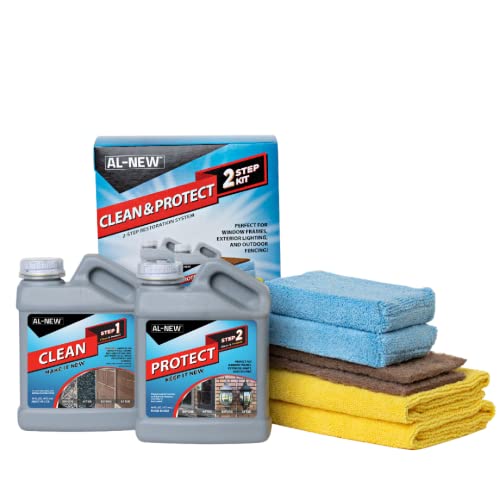
If you’ve found yourself facing unsightly residues on your rattan seating, act quickly to prevent lasting damage. Gather a solution of warm water mixed with mild soap, ensuring it’s not overly soapy to avoid residue buildup.
Gently sponge the affected area using a soft cloth, making sure to dab rather than scrub, to preserve the integrity of the material. For persistent stains, a mixture of vinegar and water can assist without compromising the texture.


After treatment, rinse the area thoroughly with clean water to eliminate any cleaning solution, and allow it to dry completely in a well-ventilated area. This approach not only maintains the appearance of your seating but also contributes to longevity of the material.
Cleaning Tips for Outdoor Seating
Begin with a dry paper towel to gently remove excess waste. Avoid rubbing, as this could spread the material further into the surface.
Next, prepare a solution using warm water and mild dish soap. Dampen a clean cloth in this mixture and dab the affected area, ensuring not to soak the natural fibers. Rinse the cloth in clean water and continue wiping to eliminate any soapy residue.
Disinfecting Process
For disinfection, utilize a mixture of water and white vinegar in equal proportions. Apply sparingly with a spray bottle, targeting only the contaminated sections. After a few minutes, use a soft brush to dislodge any stubborn debris. Follow with a clean water rinse.
Drying and Protection
- Ensure complete drying in a shaded area to prevent warping.
- Consider applying a specialized outdoor sealer to give an extra layer of protection against future stains.
- Regular maintenance such as brushing off dirt and debris can prolong the life of your seating.
Assess the Damage and Choose the Right Time
First, evaluate the severity of the mess. Determine if it has just dried or if it’s been there for some time, as this affects the cleaning approach. Fresh deposits are often easier to deal with than older stains that may have adhered more strongly to the material.
Next, timing matters. Aim to clean during moderate weather conditions–avoid extreme heat, as this can cause residues to harden or damage the surface. Early morning or late afternoon are ideal, providing cooler temperatures that help maintain the integrity of the surface.
Identifying Stains
Take note of any discoloration or lingering odors, which may indicate the need for deeper treatment. If the texture seems rough or discolored after the initial cleaning attempt, consider a more intensive method or consult a specialist if necessary.
Choosing Products Wisely
Select cleaning agents that are safe for the specific type of material. Avoid harsh chemicals that may weaken the fibers or cause discoloration. A gentle, pH-balanced solution is preferable for protecting the finish while ensuring effective removal of residues.
Gather Necessary Cleaning Supplies
For an efficient approach, I recommend assembling the following items:
- Gloves: Protect your hands from any residues.
- Soft cloths or paper towels: Ideal for blotting and wiping surfaces without causing damage.
- Spray bottle: For mixing and applying cleaning solutions easily.
- Water: Necessary for diluting cleaning agents and rinsing.
- Vinegar: A natural disinfectant that helps break down stubborn deposits.
- Dish soap: Effective at cutting through grime and making surfaces shine.
- Bucket: Useful for mixing larger quantities of cleaning solution.
- Soft-bristled brush: To gently scrub intricate areas without scratching.
Having these supplies on hand will streamline the process and ensure thorough maintenance of your resin-strand compositions.
Remove Excess Waste Gently
Utilize a soft brush or cloth to carefully remove the larger clumps of excrement. I prefer using a dry microfiber cloth as it minimizes the risk of smearing. Begin at the edges of the stain, working your way towards the center to avoid spreading. Employ a gentle touch to prevent damaging the delicate fibers of the material.
For stubborn debris, lightly dampen the cloth with water, ensuring it’s not overly soaked, as excess moisture can impact the weave. Pat the residue rather than rubbing, allowing for easier lifting without abrasive action. Discard any collected waste promptly to maintain a clean workspace.
After the initial bulk is cleared, inspect the area closely for any remaining bits. Patience is key at this stage; it’s essential to ensure that I do not miss any remaining spots before proceeding to the next phase.
Create a Cleaning Solution
I recommend mixing one cup of warm water with a tablespoon of white vinegar for a natural solution. Vinegar acts as a mild abrasive, breaking down stubborn residue without damaging materials.
Alternative Solutions
An alternative blend includes two parts water to one part dish soap. Choose a gentle, biodegradable soap to ensure it doesn’t harm the texture of the item. This mixture targets stains while remaining safe for various surfaces.
Testing the Mixture
Before application, it’s wise to test your chosen concoction on an inconspicuous area. Apply a small amount with a soft cloth and check for discoloration or adverse reactions. Once confirmed, the solution is ready for use on larger areas.
Scrub and Rinse the Affected Area
Using a soft-bristle brush, I apply gentle pressure to the targeted spot. Circular motions help lift stubborn residues without damaging the surface. I often find that it’s effective to focus on small sections, ensuring a thorough clean without over-scrubbing. It’s crucial to work from the outer edge towards the center to avoid spreading any particles.
Rinsing
After scrubbing, I rinse the area with lukewarm water. A spray bottle or soft cloth can be used to distribute the water evenly, which removes any remaining cleaning solution and debris. I always ensure that excess moisture is wiped away using a dry microfiber cloth, protecting the structural integrity of the material.
Final Touches
To finish, I allow the piece to air dry completely, preferably in a shaded area to prevent any color fading. Keeping an eye out for any lingering stains is essential; if any persist, repeating the scrubbing and rinsing process is advisable until the desired result is achieved.
Dry and Protect the Wicker Furniture
Immediately after addressing the initial issues, I focus on drying the surface thoroughly. I use a soft, absorbent cloth to gently blot any excess moisture, avoiding vigorous rubbing that could weaken the fibers.
Next, I ensure the area is fully dry by allowing it to air out, keeping the item away from direct sunlight to prevent warping or color fading. If needed, I place a fan nearby to enhance air circulation.
To safeguard the material against future stains and damage, I apply a suitable protective spray designed for natural fibers. I follow the manufacturer’s instructions, making sure to cover the entire surface evenly.
| Step | Action |
|---|---|
| 1 | Gently blot excess moisture with a soft cloth. |
| 2 | Allow to air dry in a shaded area. |
| 3 | Apply a protective spray as per instructions. |
This routine minimizes the risk of future issues and preserves the quality of the piece, ensuring it remains a splendid addition to my home.
FAQ:
What is the best way to remove bird poop from wicker furniture?
To effectively clean bird droppings from wicker furniture, first, gently scrape off any solid residue using a plastic spatula or a similar tool. Next, prepare a cleaning solution by mixing warm water with a few drops of mild dish soap. Dampen a soft cloth in the solution and gently wipe the affected area. For tougher stains, consider using a mixture of vinegar and water instead. After cleaning, wipe the surface with a clean, damp cloth to remove any soap residue, and finally, dry the area thoroughly with a soft towel.
Are there any cleaning products I should avoid using on wicker furniture?
Avoid using abrasive cleaners or scrubbing pads as they can damage the wicker fibers. Additionally, steer clear of harsh chemicals like bleach or ammonia, as these can weaken the weave and discolor the furniture. It’s best to stick to mild cleaners specifically designed for delicate surfaces or natural cleaning solutions like vinegar and water.
How can I prevent bird poop from accumulating on my wicker furniture?
To minimize bird droppings on your wicker furniture, consider relocating your furniture away from areas where birds frequently perch, such as trees or balconies. You can also use bird deterrents, like reflective objects or special bird-repelling gel, to discourage them from landing nearby. Regularly covering your furniture when not in use can also help protect it from droppings and other environmental factors.
Is it safe to use a power washer to clean wicker furniture?
Using a power washer on wicker furniture is not advisable. The high-pressure water can damage the fragile fibers and potentially cause them to break apart. It’s best to clean wicker furniture by hand using gentle methods, as this will ensure the integrity of the material remains intact while effectively removing dirt and stains.
How often should I clean my wicker furniture to keep it looking good?
Regular cleaning of wicker furniture is recommended to maintain its appearance and prolong its lifespan. Ideally, you should wipe down your wicker pieces with a dry cloth at least once a week to remove dust and debris. Deeper cleaning should be done every few months, or more frequently if your furniture is exposed to birds or other environmental factors. This prevents build-up and keeps the furniture looking fresh and inviting.
What is the best way to remove bird droppings from wicker furniture?
To clean bird poop off wicker furniture, it’s important to act carefully to avoid damaging the weave. Start by gently scraping off any solid waste using a plastic scraper or a soft brush. Be cautious not to press too hard, as this can push dirt further into the fibers. After removing the solids, mix a solution of mild soap and warm water. Dampen a cloth with this mixture and gently wipe the affected area. Make sure not to soak the wicker, as excess moisture can cause it to weaken. For stubborn stains, a mixture of vinegar and water can help lift the droppings. Once clean, dry the area thoroughly with a soft towel to prevent moisture damage. Regular cleaning can help maintain the wicker’s appearance and longevity.


