
 Caleb Turner

To rejuvenate cherished vintage pieces, I consistently rely on a blend of natural ingredients that are both gentle and effective. Begin with a mixture of equal parts white vinegar and olive oil. This combination not only removes grime but also nourishes the surface, enhancing its natural luster. Apply it using a soft cloth, making sure to follow the grain for optimal results.
For deeper restoration, I create a paste of baking soda and water. This gentle abrasive lifts stubborn stains without damaging the delicate finish. After applying the paste, a thorough rinse with a damp cloth is crucial to avoid any residue buildup. Following this, I polish the surface with a few drops of essential oil, such as lemon or lavender, which impart a subtle fragrance and further protect the wood.
Regular maintenance is key to prolonging the life of these treasures. Dusting with a microfiber cloth prevents scratches, while a weekly application of the vinegar and oil mixture keeps the wood nourished and shining. Through these simple yet effective practices, I not only preserve the beauty of each item, but also honor its history.
Cleaning Strategies for Vintage Timber Pieces
For maintaining the charm of vintage timber pieces, I recommend a simple combination of olive oil and vinegar. Mix two parts of olive oil with one part of vinegar in a spray bottle. This solution provides nourishment while gently removing grime.


Apply the mixture onto a soft, lint-free cloth, then rub it into the surface using circular motions. The oil acts as a conditioner, enhancing the wood’s natural beauty, while the vinegar helps in breaking down dirt.
When dealing with stubborn stains, try baking soda. Form a paste by mixing baking soda with a small amount of water. Gently apply it with a cloth directly onto the stain. Let it sit for a few minutes, then wipe it away with a damp cloth.
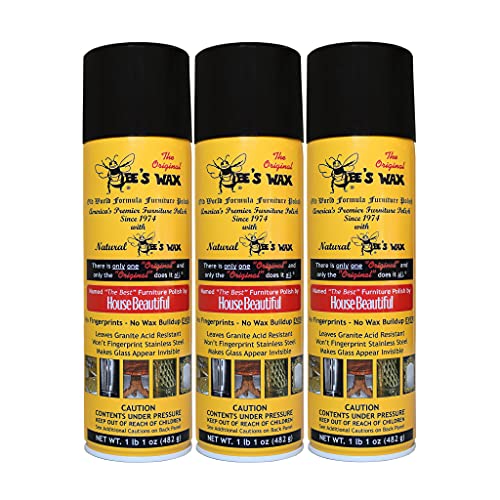
For polishing and adding a shine, I frequently use beeswax. Simply warm a small amount, then apply it using a clean cloth. This not only protects the surface but also gives it a lovely luster.
In maintaining the integrity of vintage pieces, avoid excessive moisture. It’s crucial to keep the cleaning cloth slightly damp, rather than saturated.
Regular dusting with a soft, dry cloth helps prevent buildup, ensuring the beauty of these treasures remains intact. Consider keeping moisture levels consistent in the environment, as fluctuations can lead to warping.
Here’s a quick summary of my preferred techniques:
| Method | Main Ingredient | Purpose |
|---|---|---|
| Olive Oil & Vinegar | Olive Oil | Conditioning & Cleaning |
| Baking Soda Paste | Baking Soda | Stain Removal |
| Beeswax | Beeswax | Polishing |
With these techniques, I ensure that vintage timber maintains its charm while being preserved for future enjoyment. Regular care not only enhances appearance but also prolongs life.
Understanding the Types of Antique Wood Finishes
Knowing the various coatings enhances my approach to preserving and rejuvenating these pieces. Common finishes include shellac, oil, varnish, and lacquer, each requiring different care and maintenance strategies.
Shellac
This natural resin finish offers a warm glow, ideal for older pieces. I find it crucial to use gentle solvents like denatured alcohol, as harsh chemicals can damage the surface. Regular applications of a thin layer can refresh its appearance.
Oil
Often used on rustic items, oil finishes penetrate deep into the grain, providing moisture and a satin sheen. I routinely apply a natural oil, such as tung or linseed, to maintain and nourish the surface without stripping away its character.
Varnish is a polymer-based finish, resistant to moisture and stains, making it suitable for high-use items. I typically use a soft cloth with a mild soap solution for maintenance, avoiding abrasive cleaners that may mar the surface.
Lacquer dries quickly and offers a hard and protective coat, giving a glossy finish. I prefer to clean it with a damp cloth, ensuring not to soak the surface, as excess water can compromise its integrity.
Comprehending these finishes empowers me to employ the appropriate care for each unique item while preserving their historical value. Proper understanding leads to longevity and showcases their beauty through time.
Gathering Natural Cleaning Supplies for Wood Care
I recommend sourcing a selection of eco-friendly materials to maintain the integrity of vintage pieces. Vinegar, olive oil, and beeswax form the foundation of a natural cleaning kit. These items are not only easy to find but also offer a non-toxic solution for upkeep.
Basic Supplies
| Supply | Purpose |
|---|---|
| White Vinegar | Removes grime and disinfects surfaces. |
| Olive Oil | Conditions and adds shine to the finish. |
| Beeswax | Protects and enhances natural luster. |
| Baking Soda | Acts as a gentle scrubber for tougher stains. |
| Microfiber Cloth | Soft and non-abrasive for polishing. |
Additional Helpful Items
Beyond the basics, consider adding essential oils like lemon or lavender to your vinegar mixture for a pleasant fragrance. Cornstarch can serve as a natural polish when mixed with vinegar. Lastly, a spray bottle for the vinegar solution simplifies application during maintenance routines.
By combining these supplies, I ensure my cherished pieces remain preserved while being free from harmful chemicals. This meticulous approach fosters both aesthetics and durability in all my vintage treasures.
Testing Cleaners on a Small Area First
Before applying any solution on more prominent surfaces, I always test a small, inconspicuous area. This crucial step helps prevent unintended damage and ensures compatibility with the finish.
Here’s how I approach the testing process:
- Choose a discreet section, like the underside of a leg or a hidden corner.
- Apply a small amount of the cleaner using a soft cloth or cotton swab.
- Gently rub the area and observe for any adverse reactions, such as discoloration, cloudiness, or changes in texture.
- Wait for a few minutes to evaluate the result before considering further application.
If everything looks good, I feel more confident about using the solution on larger visible areas. If issues arise, I swiftly switch to a different cleaner, ensuring that it is suitable for sensitive surfaces.
Always maintaining caution protects the integrity of cherished pieces while allowing me to achieve the desired outcome effectively.
Steps for Dusting Antique Wood Furniture Safely
Begin with a microfiber cloth, which attracts dust without scratching surfaces. I always use a lightly dampened cloth to avoid static electricity that can be harmful. Wipe in long, even strokes following the grain to maintain the finish’s integrity. For intricate designs or carvings, a soft-bristle brush works wonders in dislodging debris without causing damage.
Ensure airflow in the room is calm; I close windows to prevent dust from settling back as I clean. If needed, I use a vacuum with a soft brush attachment to remove dust from hard-to-reach areas, like crevices or beneath decorative elements. Regularly changing the attachment keeps the process effective without transferring any grit.
I recommend dusting at least once a week to prevent buildup, which can create more significant cleaning issues down the line. For surfaces exposed to direct sunlight, a more frequent routine is advisable, as these areas tend to accumulate dust faster.
Finally, after each session, I always check for any maintenance needs, such as tightening screws or reapplying natural oils to keep the wood nourished and looking its best.
Using Oils for Conditioning Antique Wood
For enhancing the appearance and longevity of aged timber, I recommend using natural oils such as lemon oil, jojoba oil, or tung oil. These options penetrate the surface, providing nourishment while preserving the grain and natural finish. Applying oil not only revitalizes the material but also helps to protect it from drying out.
Selecting the Right Oil
Lemon oil is a popular choice for its pleasant scent and cleaning properties. It effectively removes dust and grime, while simultaneously conditioning. Jojoba oil mimics the natural oils found in timber, making it an excellent moisturizer. For tougher finishes, tung oil offers a more durable protective layer, enhancing the luster of the surface.
Application Technique
I recommend applying oil with a soft, lint-free cloth. Start by dampening the cloth with a small amount of oil, then gently rub it into the surface in a circular motion. Allow the oil to absorb for about 15 to 30 minutes before buffing off any excess. Regular conditioning every few months can significantly improve the texture and appearance of the material.
Dealing with Stains on Antique Wood Surfaces
For fresh spills like water or juice, promptly blot with a clean, dry cloth to absorb moisture. Avoid rubbing, as this can spread the liquid and worsen the mark.
Removing Dark Stains
For deeper blemishes, a paste of baking soda and water can be effective. Mix equal parts to form a thick paste, apply it to the stain, and gently rub with a soft cloth. Rinse with a damp cloth and dry immediately.
Handling Grease Marks
For oily spots, sprinkle cornstarch or talcum powder over the stain and let it sit for a few hours. This helps absorb the grease. Afterward, brush it away gently and follow up with a light polish to restore shine.
- Test each method on an inconspicuous area first.
- Always work in small sections to ensure thoroughness.
- Use a soft cloth to prevent scratching the surface.
In case persistent marks remain, consider mixing vinegar and olive oil in a 1:2 ratio. Apply the solution to the stain, rub gently, and wipe clean with a soft cloth, ensuring not to saturate the surface.
For very stubborn stains, a professional might be the safest option to preserve the integrity of the piece.
Protecting Antique Wood from Future Damage
To safeguard treasured pieces from deterioration, regular maintenance and proactive measures are key. Here are strategies I employ:
- Avoid Direct Sunlight: Position items away from windows to prevent UV radiation from fading and drying out finishes.
- Control Humidity Levels: Utilize a humidifier or dehumidifier to maintain relative humidity between 40-60%. Fluctuations can lead to warping or cracking.
- Use Coasters and Mats: Apply protective barriers under beverages and decorative items to prevent moisture rings and scratches.
- Regular Dusting: Use a soft, lint-free cloth to eliminate dust buildup, which can cause abrasions over time.
- Temperature Control: Avoid placing pieces near heating vents or air conditioners to prevent extreme temperature changes that could lead to material stress.
- Regular Inspections: Periodically check for signs of pests or mold, which can compromise structural integrity. Take necessary actions immediately.
- Conditioning Products: Applying natural oils or waxes periodically can restore luster and provide a protective layer against wear and tear.
- Storage Considerations: For items not frequently used, wrap them in breathable materials and store in a stable environment.
Implementing these steps helps maintain the beauty and longevity of cherished possessions, ensuring they endure through generations.
Maintenance Routine for Long-lasting Shine
I recommend establishing a consistent maintenance schedule to ensure the enduring luster of your treasured pieces. Dust regularly with a soft microfiber cloth to prevent grime build-up, ideally doing this weekly. I find that using a gentle touch preserves the finish without causing scratches.
Monthly Conditioning
Once a month, I apply a natural oil such as mineral oil or beeswax to nourish and hydrate the surfaces. A small amount goes a long way–just a few drops on a cloth suffice. This not only enhances the sheen but also creates a barrier against moisture. Allow the oil to absorb for several minutes, then buff it gently to a soft glow.
Quarterly Inspection
Every three months, I assess for any signs of wear or damage. Look for chipped finishes or areas where the color has faded. If you find any issues, I recommend addressing them immediately to avoid worsening conditions. Spot treatments with dedicated wax or conditioner can restore affected areas effectively.


