
 Caleb Turner

First, gather a few common household items: a vacuum cleaner with an upholstery attachment, a small bowl, and a soft cloth. Begin by thoroughly vacuuming the surface to eliminate loose dirt and debris. Pay attention to crevices where crumbs may accumulate.
Next, mix a mild solution of warm water and a few drops of dish soap in the bowl. Dampen the soft cloth with the solution and gently blot any stained areas. Avoid saturating the fabric, as excess moisture can lead to water stains. For tougher stains, let the solution sit for a few minutes before blotting.
After addressing the stains, use the clean, damp cloth to wipe away any soap residue. Finally, allow the upholstery to air dry completely. Regular maintenance will ensure your seating remains fresh and inviting for years to come.
Cleaning Ashley Furniture Microfiber Couch
I recommend vacuuming the surface thoroughly with a soft brush attachment to remove loose debris and dust. This step prepares the fabric for deeper care.

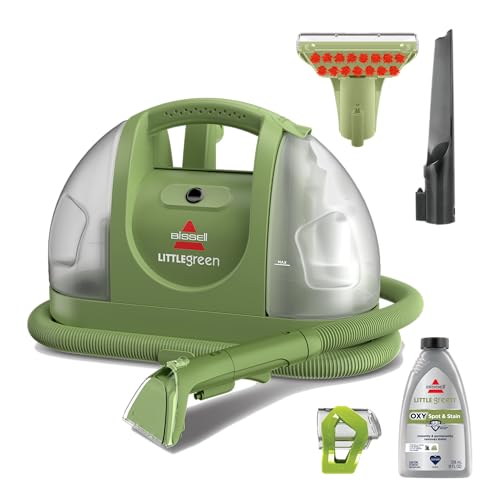
To tackle stains, I suggest a mixture of water and a few drops of mild dish soap. Dampen a clean white cloth with this solution and gently blot the stained area. Avoid soaking the fabric, as excess moisture can lead to mold.
- Test the solution on a hidden section first to ensure no discoloration occurs.
- Use a circular motion to lift dirt without pushing it further into the fibers.
If water alone doesn’t work, consider a specialized upholstery cleaner designated for this type of material. Apply according to the manufacturer’s instructions for the best results.
For persistent odors, sprinkle baking soda across the upholstery and let it sit for several hours, then vacuum it up. This method effectively absorbs unwanted smells.
After any cleaning process, I find that using a soft brush helps restore the fabric’s original texture. Gently brush the surface to lift fibers back to their upright position, ensuring a refreshed look.
Regular maintenance can greatly enhance the longevity of your seating. I advise wiping spills immediately and involving a professional cleaning service annually for comprehensive care.
Identify the Type of Stain on Microfiber
Begin identifying the stain by considering its origin. For example, food or drink stains typically appear darker and may have distinct colors depending on the substance. If the mark is greasy, it likely comes from oils or butter, while water-based liquids like juice or soda may leave a lighter, more translucent residue.
Marks from pets are often different; they could be combined with dirt or hair, contributing to a muddier appearance. Observe the texture as well–if it feels sticky, a plasma-like substance such as syrup might be the cause.
For ink or dye stains, such as from a pen, the color will usually appear deeper and may spread out more compared to other types of marks. These stains can be challenging due to their propensity to set in quickly.
Additionally, assess whether the stain has a foul odor, as this could indicate organic matter that requires a different treatment approach. Finally, if the upholstery has faded areas, it might suggest a reaction to sunlight rather than a traditional stain, necessitating a different care method.
Gather Necessary Cleaning Supplies for Microfiber
I always make sure to have the right tools ready before tackling any maintenance task on my fabric upholstery. First up, I grab a soft-bristle brush to loosen any dirt or debris trapped in the fibers. Next, I keep a vacuum cleaner with an upholstery attachment handy for thorough removal of loose particles.
For spot treatments, I find that a gentle fabric-safe detergent or a specialized cleaner designed for delicate materials works best. I also prepare a spray bottle filled with water for diluting solutions or creating a simple cleaning mix.
To address stubborn marks or residual stains, a clean, white cloth or microfiber towel is essential; these materials won’t add color or further damage the surface I’m treating. I also keep rubbing alcohol on hand to tackle specific stains. Finally, a soft sponge is ideal for applying liquid cleaners without saturating the fabric.
Test Cleaning Solution on an Inconspicuous Area
Before applying any mixture, I always find a hidden section where I can perform a test. This ensures that the solution won’t cause any discoloration or damage. Choose a spot like the back of a cushion or a seam. Apply a small amount of the cleaning agent using a soft cloth or sponge. Gently dab the area and allow it to sit for a few minutes.
After waiting, check for any adverse reactions. If there’s none, proceed with confidence. If issues arise, adjust the mixture by diluting or selecting an alternative. This step is crucial to safeguard the appearance and longevity of the material.
| Testing Area | Notes |
|---|---|
| Back of cushion | Discreet and accessible. |
| Underneath cushions | Often hidden; ideal for initial tests. |
| Seams | Less visible; good for evaluating safety. |
After ensuring the solution is safe, I can confidently tackle any stains without hesitation. Always prioritize testing to maintain the best condition of my seating arrangement.
Apply Cleaning Solution to Stains Appropriately
For optimal results, I always dilute the cleaning agent according to the manufacturer’s instructions before application. Using a spray bottle isn’t just convenient; it allows for even distribution, which is vital for avoiding excess moisture.
When targeting a specific blemish, I gently blot the area first with a clean, dry cloth to remove any loose debris. After that, I spray a small amount of the mixture directly onto the stain, ensuring that the cloth I plan to use for blotting is slightly dampened rather than soaked.
Blotting is my go-to method, as rubbing may damage the fabric. I press the cloth against the stain without scrubbing, allowing the solution to penetrate. It’s advisable to work from the outside toward the center of the stain, preventing it from spreading. After repeating this process as needed, I check to see if the stain is lifting.
Finally, I make sure to let the area air dry completely before using the couch again to ensure no residue remains. This careful attention to detail helps maintain the fabric’s integrity while effectively dealing with stains.
Brush and Restore the Microfiber Texture
After treating stains, I recommend restoring the texture of the fabric. A soft-bristled brush works wonders for this task. Gently brush the surface in one direction to lift the fibers, which can flatten during cleaning. This technique helps to rejuvenate the overall appearance.
Using the Right Brush
Choose a brush specifically designed for delicate materials. A lint brush or a cloth brush would be ideal. Avoid using stiff bristles, as they may damage the fibers. Instead, use gentle pressure to ensure that the texture is not harmed while reviving the look.
Regular Maintenance Tips
Incorporate brushing into my cleaning routine to maintain the fabric’s appearance. A quick once-over with the brush can prevent dirt accumulation, keeping it looking fresh. For stains that reappear, repeat necessary cleaning methods before brushing again to ensure the best finish.
Maintain Your Microfiber Couch for Longevity
To extend the life of your upholstered seating, regular maintenance is key. Dust and debris can accumulate quickly. I recommend vacuuming at least once a week to keep the surface free from particles that can cause wear and tear.
Address Spills Immediately
For any liquid incidents, blot the stain right away with a clean cloth to absorb moisture. Avoid rubbing; this can push the stain deeper into the fabric. Instead, gently dab the affected area. Quick action prevents tougher stains from setting in.
Utilize Protective Solutions
Consider applying a fabric protectant after a thorough cleaning. These products create a barrier against spills and stains, making maintenance easier. Always follow the manufacturer’s instructions to ensure compatibility with your upholstery.
Lastly, re-fluff the cushions regularly to maintain their shape. This simple practice helps avoid permanent indentations while keeping the overall appearance fresh and inviting.


