
 Caleb Turner

Using a soft microfiber cloth dampened with a mix of warm water and mild dish soap is the first step I take. This gentle solution helps lift dirt and grime without damaging the surface. I ensure to wring out the cloth thoroughly to avoid excess moisture, which can seep into the wood.
For stubborn stains, I turn to a mixture of equal parts vinegar and olive oil. This blend not only helps to remove marks but also nourishes the surface. I apply it with a soft cloth, rubbing in the direction of the grain for optimal results. Following this, a clean, dry fabric is essential for wiping away any residue left behind.
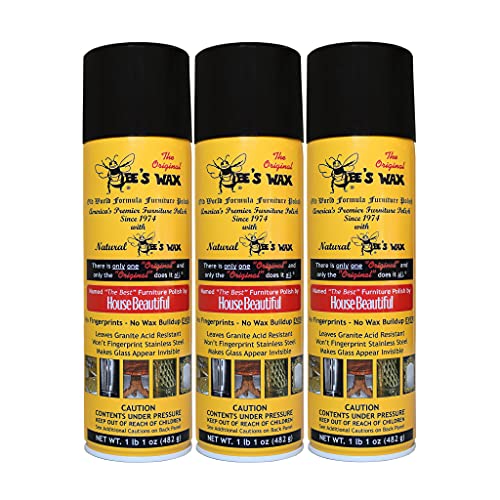
To enhance the luster of the finish, I use a specially formulated beeswax polish. I find that applying this product in a thin layer and buffing it gently with a soft cloth brings out the natural beauty and warmth of the wood. This not only protects the surface but creates an attractive sheen.
Regular maintenance involves dusting with a dry cloth or feather duster to prevent buildup. This simple habit preserves the integrity of the wood and keeps it looking its best. I’ve learned that caring for these treasured pieces requires patience and the right techniques, but the results are undeniably rewarding.


Guidelines for Maintaining Vintage Wood Pieces
I recommend using a soft lint-free cloth dampened with a mixture of water and mild soap solution for routine upkeep. Avoid soaking the wood; gently wipe the surface to eliminate dust and fingerprints.
Dealing with Stains
For tougher marks, creating a paste of baking soda and water can address stains effectively. Apply the mixture to the affected area, then let it sit for a few minutes before softly rubbing it with a cloth. Ensure to test this method in a concealed spot first to prevent damage.
Polishing Techniques
A high-quality beeswax or cream polish helps restore the natural luster of the surface. Use a soft cloth to apply the polish in a circular motion, allowing it to absorb fully, then buff lightly to achieve a shine. This technique not only enhances appearance but also provides a protective layer.
Assessing the Condition of Your Antique Oak Furniture
Before proceeding with any maintenance, I evaluate the piece carefully. I examine for surface scratches, stains, or discoloration that may indicate deeper issues. Using a soft cloth, I wipe the surface to remove dust, making any inconsistencies more apparent.
Structural Integrity
I check joints and connections for signs of looseness. If a piece wobbles, it may require repair before proceeding with treatment. I look for any signs of previous repairs as well, ensuring they haven’t compromised the integrity.
Finish Examination
Next, I assess the existing finish. A glossy surface might indicate modern varnish, while a matte or dull area may suggest older finishes requiring different care approaches. If the finish appears to be worn, I determine whether it can be polished or if refinishing is essential.
Choosing the Right Cleaning Supplies and Tools
For preserving the integrity of vintage wood pieces, I rely on several specific products. A microfiber cloth is my go-to for dusting. Its fine fibers trap particles without scratching surfaces. For mildly soiled areas, I opt for a mixture of distilled water and white vinegar in a 1:1 ratio. This solution effectively removes grime without harsh chemicals.
Cleaning Products
Natural oils, like lemon or olive oil, serve as excellent conditioners. I apply them sparingly with a soft cloth to nourish the wood. Avoid using silicone-based sprays or waxes; these can leave residues that are hard to remove over time.
Tools for the Task
A soft-bristled brush comes in handy for crevices, while an old toothbrush can clear dust from detailed carvings. If there’s stubborn grime, I use a soft sponge, ensuring it’s damp rather than soaking wet. An upholstery vacuum attachment helps to remove dust from upholstered surfaces without damaging the fabric.
Preparing the Surface for Cleaning
Before engaging in maintenance tasks, it is vital to ready the surface of the item meticulously. Begin by removing any clutter or objects from the vicinity to access every part effectively.
- Carefully dust the piece using a soft, lint-free cloth. This step eliminates surface grime without scratching.
- Inspect for loose elements such as drawers or decorative fixtures. Secure them to prevent any accidental damage.
- If there are any stubborn marks, lightly dampen your cloth with plain water. Gently wipe the affected areas, avoiding excess moisture.
- For items with embellishments or complex structures, use a soft-bristle brush to reach intricate designs.
Assess the joints and hinges for any discoloration or wear. If any loose parts are identified, tighten before commencing the cleaning procedure. Having a well-prepared surface will optimize the results of subsequent care steps.
Applying a Gentle Cleaning Solution
I recommend mixing a gentle solution using warm water and a few drops of mild dish soap or a wood-specific cleaner. This mixture effectively removes dirt without harming the finish. Ensure you test the solution on a hidden area to confirm it does not cause any discoloration or damage.
Application Method
Using a soft, lint-free cloth, dampen it slightly with your prepared solution. Wipe the surface gently, following the grain of the wood to avoid scratches. Rinse the cloth frequently in clean water to remove dirt and ensure that residue from the cleaner does not build up on the surface.
Drying and Conditioning
After cleaning, dry the surface immediately with another soft, dry cloth to prevent moisture absorption. Once the piece is dry, consider applying a wood conditioner suitable for this type of material to restore its natural luster and provide protection against future damage.
| Ingredients | Purpose |
|---|---|
| Warm Water | Solvent to dilute cleaning agents |
| Mild Dish Soap | Effective dirt and grime remover |
| Wood Cleaner | Designed for safe use on wooden surfaces |
Removing Stains and Marks Safely
For stubborn blemishes, a paste made from baking soda and water works well. Mix until it achieves a thick consistency, apply it directly to the stain, and leave it for a brief period before gently wiping it away with a damp cloth. Always test this mixture on an inconspicuous area first to ensure it doesn’t damage the finish.
Oil-based residues can be tackled with a solution of equal parts vinegar and olive oil. Dab this mixture onto a soft cloth and rub it into the affected area in circular motions. Wipe off any excess with a clean cloth to avoid leaving moisture behind.
For white rings from moisture, I recommend using a blend of equal parts vinegar and water. Apply it lightly with a cloth, rubbing gently in the direction of the grain. Follow this by buffing with a dry cloth to restore shine.
In case of scratches, using a walnut half to rub directly onto the mark can help. The natural oils from the nut will fill in the scratch, making it less noticeable. After application, gently buff the area with a soft cloth.
Always remember to work gently to avoid causing further damage. Patience is key; taking care of these precious items with a delicate touch will preserve their beauty for years to come.
Drying and Moisturizing the Wood
After cleaning the surface, it’s crucial to focus on proper drying and moisturizing to maintain the integrity of the material. I always recommend using a soft cloth to gently blot excess moisture rather than rubbing it, which can damage the finish.
For drying, place the piece in a well-ventilated area away from direct heat sources, such as radiators or fireplaces, as they can cause cracks. It’s best to avoid sun exposure, which can fade the finish. Monitor the piece for any signs of dampness and ensure it dries evenly.
Rehydrating the Surface
Once completely dry, I use a suitable wood conditioner or oil, specifically designed for hardwoods. I apply a small amount to a clean, soft cloth and work it into the surface in the direction of the grain. This process helps to replenish moisture and restore luster.
Allow the product to penetrate for several minutes before buffing the surface with a dry cloth. I typically repeat this every few months, especially in dry environments, to prevent the wood from becoming brittle and losing its natural beauty.
Monitoring Humidity Levels
Maintaining a consistent level of humidity in the room is important. I use a hygrometer to check the levels, aiming for around 40-60% relative humidity. In particularly dry seasons, consider using a humidifier to protect any valuable pieces.
By following these steps, I ensure that my treasured items remain beautiful and withstand the test of time.
Polishing Techniques for a Beautiful Finish
I recommend using a soft, lint-free cloth for polishing, as it minimizes the risk of scratching the wood surface. Always apply polish first to the cloth rather than directly onto the material to control the amount used.
Choosing the Right Polish
Select a high-quality wax or oil specifically formulated for wood surfaces. Beeswax blends work well, providing a natural sheen while also nourishing the grain. For a more durable finish, synthetic products with UV protection are ideal.
Application Method
To apply, use circular motions, ensuring even coverage across the surface. Let it sit for a few minutes to penetrate, then buff with a clean section of cloth, following the wood grain to enhance its appearance. This technique not only brings out the natural beauty but also adds a layer of protection.
Regular Maintenance Tips for Longevity
I recommend regularly dusting surfaces with a soft, lint-free cloth to prevent dirt buildup. This simple action keeps wood looking its best and minimizes scratches.
Place coasters under beverages and felt pads under decorative items to prevent water rings and scratches. These small precautions can significantly protect the finish.
Maintain humidity levels between 40-60% in your environment. This prevents wood from drying out or cracking. Using a humidifier in dry seasons can be beneficial.
Check for loose joints or parts every few months. Tighten screws and fix any issues promptly to avoid further damage. A little maintenance can prolong lifespan greatly.
Dust and Clean Regularly
- Use a microfiber cloth weekly for dusting.
- Avoid using wet cloths as excess moisture can harm the wood.
Periodic Conditioning
Apply a suitable conditioner every 6 to 12 months to nourish the wood and maintain its natural luster. Choose products that are specifically intended for wooden surfaces to ensure compatibility.
Additionally, look out for signs of wear, such as fading or dullness. Addressing these signs promptly can help preserve the piece for generations.


