
 Caleb Turner
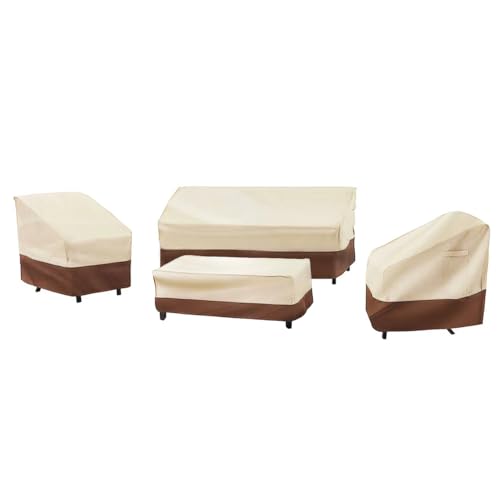
My first recommendation is to prioritize UV resistance. Fabrics that effectively block harmful rays prevent fading and degradation of your items, prolonging their life outdoors. Look for materials labeled with a high UV protection factor (UPF), ensuring reliable defense against the sun’s damaging effects.
Next, consider water resistance. Opt for textiles that can handle rain and moisture without saturating. Materials like polyester with a waterproof coating or breathable fabrics ensure that your possessions stay dry while preventing mold and mildew growth. This is vital for maintaining both appearance and durability.
Durability is another key aspect. Fabrics made from tightly woven synthetic fibers often withstand harsh weather conditions better than natural options. Heavy-duty canvas or polypropylene can offer excellent tear resistance and longevity, making them suitable for the challenges of outdoor use.

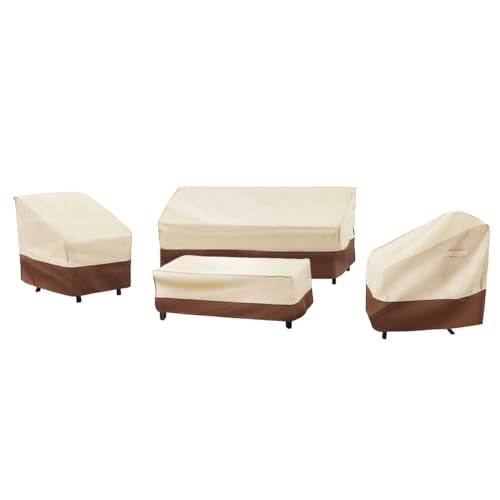

Ventilation also plays an important role. Choose covers designed with air circulation in mind to reduce heat build-up, which can contribute to deterioration. Features such as mesh vents prevent condensation, ensuring a healthier environment for your items beneath the surface.
Lastly, think about ease of maintenance. Select materials that are machine washable or can be easily wiped clean. This simplifies the upkeep and helps you keep your accessories looking fresh for longer, allowing you to enjoy your space without fuss.
Choosing the Right Fabric for Protection
Prioritize durability and resistance to elements. Look for materials that can withstand UV rays, rain, and snow without fading or degrading. Polyester with a UV coating is a strong option; it offers longevity while being lightweight.
Consider Waterproof Capabilities
- Avoid fabrics that absorb water, as they promote mold and mildew.
- Opt for PVC-backed textiles for excellent waterproofing.
- Breathable options prevent condensation build-up, reducing damage risks.
Evaluate Ease of Handling
- Select lighter materials for easy removal and storage.
- Ensure the fabric has a good resistance to tearing for longevity.
- Choose options with built-in features like zippers or buckles for secure fitting.
Finally, test your selection in a store if possible. Feel the fabric and assess its flexibility and sturdiness. Taking the time to assess your options ensures better protection for your patio items in the long run.
Understanding Different Types of Outdoor Furniture Cover Fabrics
For optimal protection, I recommend selecting materials based on durability and resistance to weather elements. Here are the common fabric options and their characteristics:
Polyester
This synthetic fabric is widely used due to its affordability and versatility. It often comes with a coating that enhances water resistance. However, UV exposure can degrade uncoated polyester over time, making it less ideal for long-term use.
Vinyl
Vinyl offers excellent waterproof qualities and is easy to clean. Its tough exterior resists tearing and fading, which prolongs its lifespan. Although it may not be as breathable as other options, its protective capabilities against rain and snow make it a strong candidate.
Canvas
Natural canvas provides breathability, which reduces moisture accumulation underneath the cover. It is sturdy and can withstand wear and tear; however, it’s essential to treat it with a water-repellent solution for effective protection against moisture.
Solution-Dyed Acrylic
For high-end options, solution-dyed acrylic is a fantastic choice. This fabric is resistant to fading and mildew, making it suitable for long-term outdoor use. Its color is integrated into the fibers, ensuring durability and an appealing aesthetic.
Heavy-Duty Fabric
For those prioritizing longevity, heavy-duty covers are crafted from thicker materials designed for harsh conditions. These often combine synthetic fibers for enhanced protection against elements and may offer additional features, such as reinforced seams.
Assessing your specific needs in terms of durability, climate, and usage will lead to the best fabric choice for protecting your seating arrangements.
Evaluating Weather Resistance and Durability of Materials
For maximum longevity, I emphasize the importance of selecting resilient substances that can withstand harsh environmental conditions. Look for robust options such as polyester and nylon, which offer excellent resistance to fading, tearing, and mildew. These synthetic fabrics are often treated with additional UV inhibitors to enhance their protective capabilities.
Consider the water resistance factor. A waterproof or water-repellent finish is critical to prevent moisture damage. I recommend checking for a high hydrostatic head rating, typically above 3000 mm, as this indicates superior water resistance.
Additionally, evaluate the breathability of your choice. Fabrics that allow for air circulation can help avoid condensation and mold growth. Options like breathable polyethylene or specially treated canvas can strike a balance between water resistance and breathability.
- Polyester: Lightweight, fade-resistant, and ideal for UV protection.
- Nylon: Highly durable, resistant to tears, but may require additional waterproofing.
- Canvas: Strong and natural, works well in dry climates; consider water-resistant treatment.
Finally, don’t overlook the stitching quality. Strong stitching can enhance overall durability. Look for double-stitched seams that provide extra reinforcement against wear and tear.
By focusing on these specific attributes–resistance to the elements, breathability, and quality of construction–I ensure the longevity and reliability of the protective layer for my outdoor settings.
Considering Breathability and Moisture Management Features
Opt for fabrics that incorporate breathable features. This allows any trapped moisture to escape, reducing the risk of mold and mildew. Look for options with ventilation systems, or those labeled as ‘moisture-wicking’ to enhance airflow.
In addition, prioritize water-resistant properties. While total waterproofing can trap moisture inside, effective water resistance provides a barrier while still enabling breathability. Fabrics treated with a durable water repellent (DWR) finish strike a fine balance between shielding against rain and allowing air circulation.
Some materials feature microporous technology, which permits water vapor to escape while blocking liquid water from penetrating. This ensures that when humidity levels rise, moisture can dissipate easily, safeguarding the integrity of your belongings against dampness.
If possible, check for the presence of UV stabilizers. Although not directly related to moisture, these additives can enhance longevity, preventing the breakdown of fibers that may occur when exposed to the elements.
Performing a simple water test can help evaluate how well a fabric manages moisture. Pour a small amount of water onto the surface; a quick bead formation indicates good resistance, while immediate absorption signals a need for caution.
Assessing UV Protection Level for Sun Exposure
For effective sun protection, I prioritize fabrics with UV resistance ratings of at least UPF 50+. This rating reflects the fabric’s ability to block harmful ultraviolet rays, ensuring the longevity and integrity of covered items. Fabrics should undergo testing to confirm their UPF ratings, as not all materials possess the same shielding qualities.
Selecting High-Quality Options
I focus on polyester and solution-dyed acrylics for their high durability and sun-blocking capabilities. Solution-dyed acrylics, in particular, undergo a process that locks in color and minimizes fading, making them ideal for prolonged exposure. Additionally, while cotton might be breathable, it typically lacks sufficient UV resistance, so I avoid it for long-term protection.
Conducting Tests
When assessing potential options, I recommend conducting a simple test: place the fabric over a light source and check for light transmission. A significant amount of light passing through indicates low UV protection. Consulting the manufacturer’s specifications can also provide insights into the material’s sun-resistance features.
Finally, I pay attention to the warranty offered by the manufacturer. A robust warranty often signals confidence in the product’s performance, especially regarding UV resistance over time. This factor can be a reliability indicator, ensuring my possessions remain shielded through various seasons.
Comparing Weight and Flexibility for Easy Handling
For effortless use, balance the weight and flexibility of your protective drapery. Lightweight fabrics offer convenience for installation and removal, making them ideal for frequent access. However, durability might be compromised with overly light options.
On the other hand, heavier materials provide robust protection against the elements but may pose challenges during installation or storage. Evaluate the trade-offs based on your specific needs. If you frequently adjust the covers, prioritize flexibility alongside reasonable weight.
| Material Type | Weight | Flexibility | Ideal Use |
|---|---|---|---|
| Ripstop Nylon | Lightweight | Highly flexible | Frequent handling |
| Polyester | Moderate weight | Good flexibility | Year-round protection |
| Canvas | Heavy | Limited flexibility | Long-term storage |
| Vinyl | Heavy | Limited flexibility | High durability needs |
Consider the climate and storage conditions when selecting a fabric weight and flexibility, as these aspects directly influence ease of use and long-term performance. Choose a combination that suits how often you plan to interact with the protective cover.
Exploring Maintenance Requirements for Various Materials
Polyester fabrics require regular cleaning with mild soap and water. For stains, a soft brush can be effective; however, avoid harsh chemicals that can degrade the fibers.
Vinyl Options
Vinyl materials are less demanding, needing only occasional wipe-downs with a damp cloth to maintain their appearance. Over time, investing in a protectant can help prevent cracking or fading.
Canvas Choices
Canvas is resilient and can often be machine-washed on a gentle cycle. If necessary, applying a water-repellent spray after cleaning can extend its lifespan significantly.
For synthetic blends, such as acrylic, simple rinsing with a hose can usually remove dirt. Regular inspections for signs of wear are advisable, as these materials can sometimes suffer from ultraviolet degradation.
Understanding the upkeep required for different fabrics helps ensure longevity and performance, making maintenance a key factor in my selection process.
Budgeting for Quality: Cost vs. Longevity of Covers
Investing in superior protection demands an understanding of the balance between expense and durability. I find that allocating more funds initially often results in significant long-term savings. Premium options might appear costly upfront, yet their superior craftsmanship often leads to enhanced lifespan and reduced replacement frequency.
During my research, I discovered that high-quality fabrics, such as solution-dyed acrylic and heavy-duty polyester, can withstand harsh elements better than lower-end alternatives. These materials resist tearing and fading, translating to less frequent purchases over time. This is particularly beneficial if you frequently experience inclement weather.
I recommend comparing warranties offered by manufacturers. A lengthy warranty often indicates confidence in the product’s endurance. Additionally, focusing on brands that use high-grade stitching techniques can prevent premature wear, reinforcing the investment made.
It’s also essential to analyze the cost-per-use ratio. A more expensive cover that lasts five years is more economical than a cheaper version that only endures one season. I always calculate potential savings from fewer replacements and reduced maintenance costs when making my final selection.
Lastly, consider your usage patterns. If exposure to the sun or rain is intense, choosing a more robust option is prudent. A slight increase in initial spending could result in far less hassle and cost in the long term. Prioritize quality to maximize the value derived from your choice.


