Caleb Turner
Prioritize functionality by measuring the dimensions of the area where items will reside. This ensures a harmonious arrangement without overcrowding. Consider scales of pieces; oversized items can overwhelm a cozy area, while smaller ones may get lost in larger spaces.
Examine the existing color palette and style in your abode before acquiring new pieces. Match tones and textures to unify the aesthetic. If walls boast bold hues, opt for neutral-toned selections to maintain balance. Conversely, vibrant accents can liven up muted surroundings.
Evaluate the materials as they significantly influence both aesthetics and upkeep. Solid wood or high-quality textiles can provide longevity, while easier-to-clean surfaces can enhance everyday practicality. Think ahead about the wear and tear based on your lifestyle.
Incorporate multi-functional items. A sofa bed can double as seating by day and sleeping space by night, especially useful for smaller dwellings or guest accommodations. This versatility not only saves space but also maximizes usability.
Lastly, reflect personal taste. Authentic expressions of style foster comfort and enjoyment within the environment. Delving into individual preferences ensures a personalized and inviting atmosphere that resonates with daily life.


Smart Selection Tips for Your Living Area
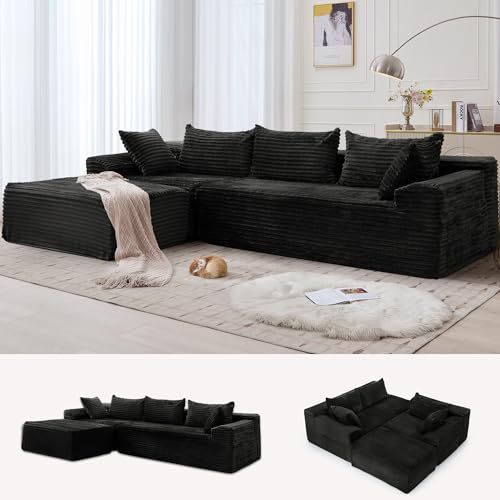
Prioritize functionality in a seating arrangement. Opt for pieces that accommodate both relaxation and social interaction. I recommend modular sofas that can be reconfigured as per your needs, providing versatility for gatherings or intimate evenings. Ensure that the dimensions align with the available space to avoid overcrowding.
Material Considerations
Exploring various materials helps in finding optimal durability and aesthetics. Leather offers elegance and easy cleaning, while fabric pieces provide a cozy feel. Consider blends that resist stains and wear. Test the texture personally to ensure comfort over extended periods.
Color and Style Harmony
Select colors that complement existing decor. Neutrals create a serene backdrop, while bold hues can serve as statement elements. Mixing styles, such as contemporary with vintage, adds character but requires careful curation to maintain cohesion. Keep a mood board handy to visualize combinations before purchasing.
| Material | Durability | Maintenance |
|---|---|---|
| Leather | High | Wipe-clean |
| Fabric | Medium | Spot clean |
| Microfiber | High | Easy care |
| Velvet | Medium | Professional clean recommended |
Finally, factor in sustainability. Research brands that prioritize eco-friendly materials and practices. This not only benefits the environment but often spans a greater lifespan for your selections.
Assess Your Space and Layout
I measure each wall to determine the dimensions of the area, noting the location of doors, windows, and other features like fireplaces or built-in shelving. This helps to visualize the potential arrangement of items.
Understanding the flow of movement is key. I leave enough space between pieces for easy navigation. A common guideline is allowing at least 18 inches of clearance around seating to promote comfort and accessibility.
I consider the function of the area. If it’s for relaxation or entertainment, I position seating in a way that encourages conversation, perhaps arranging chairs and sofas in a U-shape. This layout fosters interaction and creates a cozy atmosphere.
Creating zones can enhance usability. I designate areas for activities, such as a reading nook with a chair and lamp, while keeping the main seating area open for gatherings. This defines the purpose of each section without compromising the overall design.
Taking scale into account is non-negotiable. I select items that fit proportionately within the confines of the area. Large pieces can overwhelm smaller spaces, whereas delicate, smaller items can get lost in expansive areas. To visualize the dimensions, I use painter’s tape on the floor to outline the footprint of potential selections.
Lighting is another critical factor. I assess natural light during different times of the day and incorporate multiple sources, including ambient, task, and accent lighting. It influences the mood and functionality of the space significantly.
Ultimately, a well-thought-out layout enhances both aesthetics and usability. I balance personal style with practicality to create an inviting environment that reflects my taste and suits my lifestyle.
Select a Color Scheme That Fits Your Style
Incorporating hues that resonate with personal taste while complementing the spatial environment is vital. Here’s how I approach this process:
- Identify Dominant Colors: Begin by selecting a primary shade that reflects my personality. This could range from serene blues to energetic yellows. The chosen base color will guide further selections.
- Create Contrast: To enhance visual interest, consider accent shades that contrast or complement the dominant hue. For example, pairing navy with mustard introduces depth without overwhelming.
- Consider Patterns: Introducing prints can add character. I like to mix textured fabrics and geometric designs while ensuring they align with the color palette to maintain harmony.
- Use Color Samples: Testing paint swatches or fabric pieces directly in the space aids in visualizing how different shades interact with natural light and existing elements.
- Establish Mood: Colors can evoke emotions. To create a cozy atmosphere, warm tones like terracotta may be effective, while cooler shades can impart a relaxing vibe.
- Maintain Balance: Distribute colors evenly across the area. It’s helpful to employ the 60-30-10 rule: 60% dominant color, 30% secondary, and 10% accent for a cohesive feel.
- Seek Inspiration: Exploring design magazines, online platforms, or showrooms can spark ideas. Observing curated styles might reveal combinations I hadn’t initially considered.
Ultimately, selecting a suitable color palette is about personal expression while ensuring the space feels inviting and well-coordinated.
Choose the Right Style and Design for Your Furniture
Focus on identifying a design that complements the existing atmosphere. Consider whether a modern, traditional, eclectic, or minimalist aesthetic resonates with your vision for the space. Each style brings distinct characteristics, materials, and color palettes that play an important role in achieving harmony.
Define Your Preferred Aesthetic
Assess personal preferences by exploring various styles in magazines, online platforms, or showrooms. Document elements that catch your eye–whether it’s the sleek lines of contemporary pieces or the ornate details of classic designs. This will help to establish a clear direction.
Material Selection Matters
The choice of materials influences both appearance and practicality. Wood offers warmth and durability, while metal can impart a sleek, industrial look. Fabrics vary significantly, with leather providing a luxurious feel and natural fibers contributing to a cozy atmosphere. Each option requires consideration of maintenance, wear, and overall comfort.
Prioritize Comfort and Functionality in Seating Options
Selecting seating that balances comfort and practicality is paramount. Look for sofas and chairs with supportive cushions and favorable ergonomics to ensure a pleasant experience, especially during long gatherings or family movie nights. Consider pieces with adjustable features or modular designs that adapt to your activities.
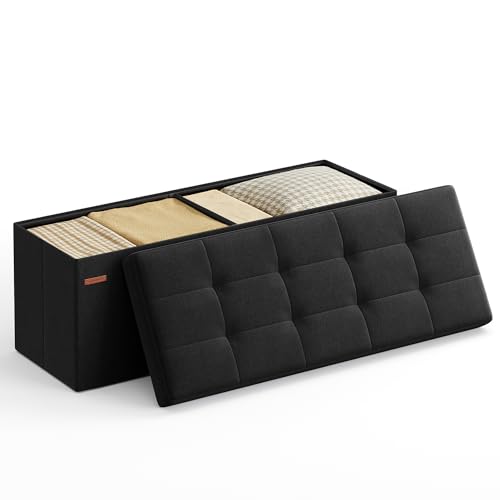
Incorporate dual-purpose items, like storage ottomans or sleeper sofas, which maximize utility. These not only provide seating but also offer extra functionality, enhancing space efficiency. Keep in mind that materials play a vital role; opt for durable fabrics that endure wear while being easy to clean, especially if children or pets are present.
Try to keep the scale proportionate to the area. Oversized sofas may dominate the visual field, while too-small options could lead to discomfort. Experiment with layouts before finalizing arrangements, ensuring that seating facilitates conversation and movement. Placing furniture away from walls can create an inviting atmosphere.
Adding accent chairs can introduce variety while showcasing your style. Choose pieces that complement your primary seating but offer distinct design elements. Patterns or textures can inject personality, making the space more engaging. With a focus on comfort and functionality, the seating arrangement will not only look appealing but also serve its purpose effectively.
Incorporate Storage Solutions Without Sacrificing Aesthetics
Utilizing multi-functional pieces can significantly enhance storage while maintaining an appealing design. Bench seating with concealed compartments or ottomans that open up for storage are practical options to consider. These items provide extra seating and a spot to stash blankets or magazines.
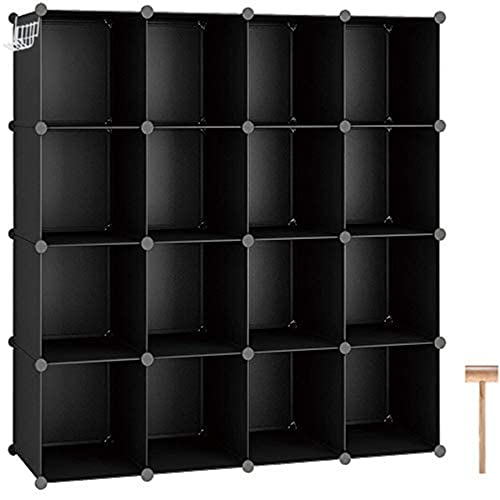
Wall-mounted shelves serve dual purposes as both decorative displays and storage spaces. Opt for open shelving to showcase decorative items, plants, or books, reducing clutter and adding character to the environment. Ensure that the height and arrangement of the shelves complement the overall style, creating a harmonious effect.
Avoid bulky cabinets; instead, consider slim sideboards or modular shelving units that fit snugly against walls. This approach allows for ample storage without overwhelming the space. Choose finishes that align with the color scheme, ensuring the units blend seamlessly into the overall design.
Incorporating decorative baskets or boxes on shelves can also keep items organized while contributing to the aesthetic appeal. Selecting woven textures or coordinating colors adds a layer of visual interest, ensuring functionality does not compromise style.
Leveraging under-furniture space is another effective strategy. Utilize rolling storage carts or bins that can slide under coffee tables or couches to keep items out of sight yet easily accessible.
Implementing these ideas will enhance the organization of your area, making it visually pleasing and inviting while ensuring that storage needs are met effectively.
Consider Material Durability and Maintenance Needs
Opt for materials that withstand daily wear while aligning with lifestyle needs. For high-traffic scenarios, choose synthetic fabrics like polyester or microfiber, which offer durability and easy cleaning. Natural fibers such as cotton can provide comfort but often require more upkeep and are susceptible to stains.
Wood Choices
Hardwoods like oak, maple, or walnut boast longevity and resist scratches effectively. For a budget-friendly option, consider engineered wood, which offers a similar aesthetic at a lower cost, but requires careful handling to prevent damage. Regular polishing can help maintain luster and protect surfaces.
Metal and Glass
Metal components are ideal for contemporary styles and are easy to maintain. Stainless steel or aluminum can resist rust and tarnishing, ensuring longevity. Glass offers a sleek look but can be prone to fingerprints and scratches; tempered glass is a better choice for enhanced safety and maintenance ease.
Evaluate the commitments involved in caring for various materials before making selections. Weighing the balance between aesthetics and practicality can lead to a satisfying arrangement that endures. Regular care routines will ensure each piece remains functional and visually appealing over time.
Plan Your Furniture Arrangement for Optimal Flow
Begin by establishing a focal point within the space, such as a fireplace or a large window. Arrange seating to face this feature, creating a natural conversation area that encourages interaction.
Consider Traffic Patterns
Ensure pathways are unobstructed, allowing easy movement. Aim for at least 24 inches of clearance for walking areas, and avoid placing large items in high-traffic spots.
Balance and Proportion
- Mix large and small elements to create visual interest.
- Place heavier pieces, like a sofa, against solid walls and lighter items, such as side tables, in the center.
- Maintain equal spacing between objects to avoid cluttered appearances.
Utilize rugs to define areas, particularly in open layouts. Ensure the front legs of all seated pieces rest on the rug, which helps unify the arrangement.
Be mindful of sightlines; keep important views open by positioning taller items away from windows or main pathways. Adjust angles slightly to avoid rigid formations, encouraging a relaxed atmosphere.
Finally, regularly reassess the setup after implementation. Personal habits and activities may require adjustments for enhanced functionality and comfort.
FAQ:
What factors should I consider when choosing furniture for my living room?
When selecting furniture for your living room, it is important to consider several factors. First, think about the size of your space. Measure your living room to ensure that the furniture you choose fits comfortably without making the area feel cramped. Next, consider your lifestyle. If you have children or pets, durable and easy-to-clean materials may be more suitable. Style is another important aspect; consider what aesthetics match your preferences and existing décor. Finally, budget plays a significant role—decide how much you’re willing to spend before you start shopping.
How can I combine different furniture styles in my living room?
Combining different furniture styles can create a unique and personalized look. Begin by selecting a unifying element, such as a specific color palette or material that will connect the various pieces. For example, you might choose a specific wood finish for both modern and vintage items. Mixing textures, like soft fabrics with sleek metals, can also add depth. Additionally, it’s helpful to maintain a balance by ensuring that one style doesn’t overpower the other. Incorporate accent pieces that tie the styles together, such as cushions or artwork, to create a cohesive look.
What furniture pieces are considered essential for a living room?
A well-furnished living room typically includes a few essential pieces. The most important is a comfortable seating arrangement, which often consists of a sofa and chairs. A coffee table is also crucial, serving as a central point for drinks and decor. Other key items include storage solutions like shelves or cabinets, which help keep the space organized. If space allows, consider adding an entertainment unit for electronics and decorative displays. Finally, don’t forget about lighting—floor or table lamps can enhance the ambiance and functionality of the room.
How do I select a color scheme for my living room furniture?
Choosing a color scheme for your living room furniture can significantly influence the room’s mood. Start by determining the atmosphere you want to create; for a calm and relaxing space, consider neutral or pastel tones. If you prefer a lively environment, bold colors or rich jewel tones may be appropriate. Look at the colors of your walls and flooring, as these will inform your choices. A good method is to select a base color for larger furniture pieces and then incorporate accent colors through smaller items like cushions, throws, and art pieces. Testing paint samples or fabric swatches in the room can help visualize how colors interact with natural light.