Caleb Turner
Regular dusting with a soft cloth is the first step to prevent dirt accumulation on your natural fiber seating. I prefer using a microfiber cloth, as it effectively captures dust without scratching the surface. Pay close attention to crevices and corners where debris can hide.
For deeper cleaning, I recommend a gentle soap solution of warm water and mild dish detergent. I dampen a cloth with the solution and wipe down all surfaces, ensuring I don’t soak the material. After cleaning, it’s crucial to use another dry cloth to remove excess moisture, as prolonged dampness can lead to mold growth.
Protecting your pieces from the sun’s harsh rays is vital to maintain their color and structural integrity. I suggest placing them in shaded areas or using UV-blocking window treatments to minimize direct exposure. This helps to preserve both the aesthetic and functional attributes of your seating.
Lastly, elevating your items off the ground when not in use can help avoid moisture absorption from surfaces and improve airflow. Utilizing furniture pads or coasters not only protects floors but also aids in prolonging the lifespan of your beloved seating.
How to Maintain Your Natural Fiber Pieces
Regularly dust the surface with a soft cloth to keep your natural weave items looking fresh. For more stubborn dirt, mix mild soap with warm water and gently scrub with a soft brush. Avoid soaking the material, as excess moisture can lead to deterioration.

Dealing with Stains
To tackle spills, act quickly by blotting the area with a clean, dry cloth. If needed, a mixture of water and vinegar can help lift stains without harming the delicate fibers. Always test any cleaning solution on a small, inconspicuous area first.
Protection from Elements
When placing your items outdoors, use a protective cover during inclement weather to prevent mold and sun damage. If possible, store them indoors during harsh seasons to prolong their lifespan.
Choosing the Right Cleaning Products for Rattan
Opt for a mild soap or a specialized cleaner designed for natural fibers. Avoid harsh chemicals, as they can weaken the structure and finish of the material. Always check the ingredient list; products containing bleach or ammonia can cause discoloration and damage.
For routine maintenance, a gentle mixture of warm water and dish soap works well. Use a soft cloth or sponge to apply the solution, ensuring not to soak the weave. Rinse thoroughly with clean water to remove any soap residue.
If the piece requires deeper cleaning, consider using a vinegar solution (1 part vinegar to 3 parts water) to eliminate stubborn stains. Apply the solution lightly, avoiding excess moisture. Wipe clean with a damp cloth afterward.
Always test any cleaning agent on an inconspicuous area before applying it to the entire surface. This will ensure that it doesn’t react adversely with the material.
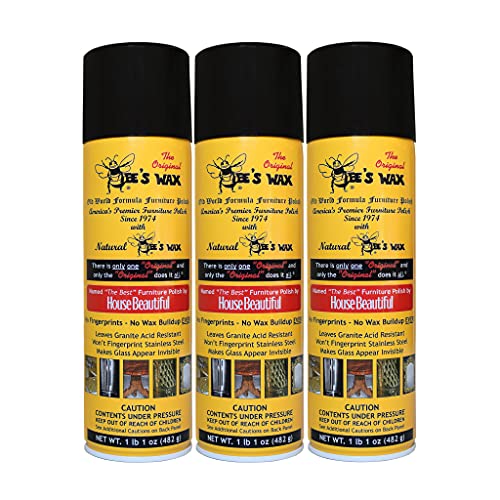
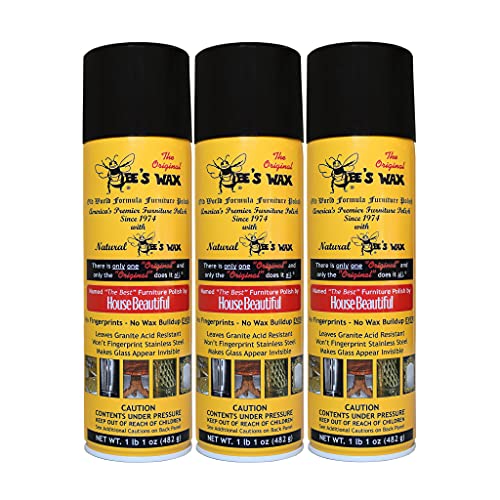
For ongoing protection, application of a clear furniture wax can maintain the finish and add a layer of resilience against stains or spills.
Using the right products ensures longevity and allows the timeless quality of your items to shine through.
Step-by-Step Guide to Cleaning Wicker Furniture
Begin by gathering your supplies: a soft-bristle brush, a vacuum cleaner with a brush attachment, a bowl of warm water, and a mild soap solution.
1. Remove dust and debris: Use the vacuum with the brush attachment to eliminate dust and dirt from crevices. A soft-bristle brush also helps in dislodging particles from intricate patterns.
2. Prepare the cleaning solution: Mix a small amount of mild soap in warm water. Ensure the solution is not too soapy to avoid residue.
3. Wipe down surfaces: Dampen a clean cloth in the soapy water, wring it out, and carefully wipe each piece, paying attention to corners and joints. Avoid soaking the material.
4. Rinse: Dampen another cloth with plain water and wipe down again to remove any soap residue. Make sure the cloth is only slightly wet.
5. Dry thoroughly: Allow the items to air dry completely in a shaded area. Avoid direct sunlight to prevent fading or warping.
6. Inspect: After drying, check for any loose strands or damage. Repair any issues promptly to extend the lifespan of your pieces.
7. Polish (optional): For a shine, you may apply a small amount of furniture polish designed for natural fibers, ensuring to buff gently with a soft cloth.
Regular maintenance will enhance the longevity and appearance of your decorative pieces. Follow this routine every few months or as needed to keep them looking their best.
Preventing Damage from Sunlight and Moisture
To protect your natural seating and decorative pieces from sunlight and humidity, position them in shaded areas or utilize protective covers. Direct exposure to UV rays can lead to fading and brittleness. During sunny days, keep them indoors or under awnings.
Moisture Control
Maintain a balanced environment by monitoring humidity levels. High moisture can warp and weaken strands. Use a dehumidifier in damp areas to avoid mold or mildew growth. Always wipe down surfaces with a dry cloth after exposure to rain or spills.
Seasonal Precautions
During extreme weather changes, store items indoors. Wrap them in breathable fabric to prevent dust buildup. Avoid plastic covers, as they trap moisture and can accelerate deterioration. Regularly check for signs of wear or damage and address them immediately.
| Tip | Action |
|---|---|
| Sun Protection | Use covers or place in shaded areas |
| Humidity Management | Utilize a dehumidifier |
| Seasonal Storage | Store indoors during harsh weather |
| Cleaning After Exposure | Wipe down with a dry cloth |
Repairing Minor Scratches and Dents
To address minor scratches, I mix equal parts of linseed oil and vinegar. This solution helps smooth out the surface. I apply it gently using a soft cloth, working in the direction of the grain. After applying, I let it sit for a few minutes before buffing it off to reveal a shinier finish.
For dents, I utilize a damp cloth and an iron. I place the cloth over the dent and carefully apply heat with the iron on low. The steam from the cloth helps to raise the fibers. It’s crucial not to overheat or press too hard, as this may cause more damage.
If scratches penetrate deeper, I consider using a wood filler that matches the color of the surface. After filling, I sand the area lightly and proceed with polishing to blend the repair seamlessly with the surrounding area.
It’s beneficial to regularly assess the condition of the items to identify minor damage early, allowing for easier repairs. Keeping a small repair kit on hand can simplify the maintenance process in the long run.
Best Practices for Storing Rattan Furniture Off-Season
Clean meticulously before storing. Dust and debris can lead to damage over time.
Wrap each piece with protective covers or blankets. This safeguards against scratches and impacts during storage.
Choose a dry location with stable temperatures. Avoid spaces prone to moisture or extreme changes in temperature, which may warp the material.
- Utilize a storage unit or space in your garage that is climate-controlled.
- If using the attic or basement, ensure it is well-ventilated.
Disassemble larger items when possible. This not only saves space but also reduces the risk of structural stress on joints.
Avoid stacking heavy objects on top. Uneven weight distribution can lead to bending or breaking.
Inspect regularly during storage. Look for signs of mold or pest activity, taking corrective measures immediately.
Place silica gel packets or similar moisture absorbers nearby. This helps maintain appropriate humidity levels.
Cover legs and corners with foam pads. This adds extra protection against impacts and scratches.
Maintain a consistent routine by re-evaluating the storage conditions every few months. Make adjustments as needed to ensure optimal preservation.
Tips for Maintaining the Color and Finish of Rattan
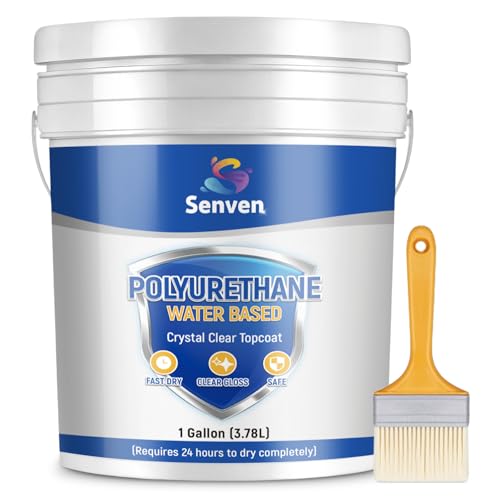
Regular application of a UV-resistant sealant will significantly protect the hue and surface structure of your natural pieces. Aim to reapply every 6 months to a year, depending on sunlight exposure.
Cleaning with Care
Using a soft cloth slightly dampened with warm water allows me to effectively remove dust without risking discoloration. It’s crucial to avoid excess moisture, as it can weaken the natural fibers over time.
Choosing Appropriate Products
Opt for pH-balanced cleaners designed for natural materials. A mixture of mild soap and water works exceptionally well for routine maintenance, ensuring colors remain vibrant.
Storing these items in a controlled environment during unfavorable seasons helps prevent fading due to extreme temperatures or moisture. Ensure they are covered with breathable fabrics to avoid mildew while allowing air circulation.