
 Caleb Turner
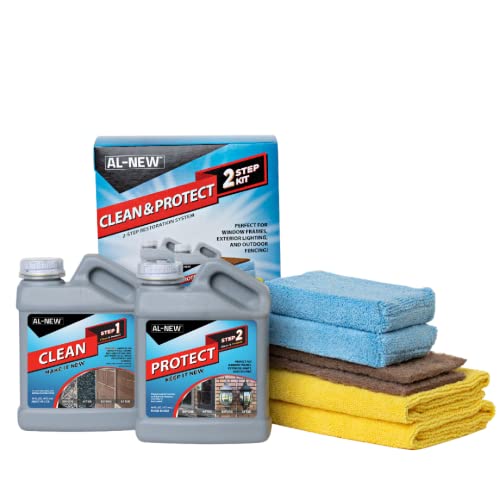
Regularly wipe down the surfaces with a soft cloth and mild soap. Water and a gentle detergent are usually enough to remove any accumulated dirt. Avoid harsh cleaners that can cause damage. Just a simple rinse is often sufficient after cleaning to prevent soap residue.
Inspect the frames for any signs of rust or paint chipping. I recommend addressing these issues quickly. For small rust spots, use a fine-grit sandpaper to gently remove the rust, then apply a rust-inhibiting primer before repainting with exterior paint suitable for metal.
During winter, it’s wise to store the items indoors or cover them with breathable materials. This helps shield against moisture and prevents damage from freezing temperatures. If storage isn’t an option, ensure the seating is angled to allow water runoff.
How to Care for Metal Patio Furniture
I regularly clean surfaces with mild soap and warm water using a soft cloth or sponge. This prevents grime buildup and keeps the appearance fresh.
Applying a quality car wax or specially formulated metal polish protects against rust and corrosion. I make sure to reapply after heavy rain or exposure to moisture.

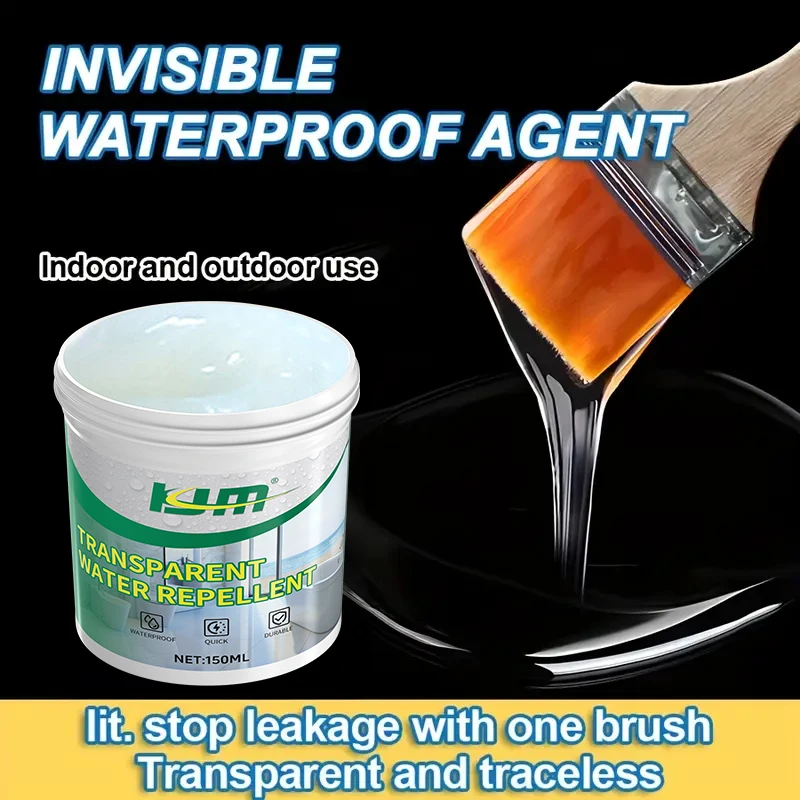

Inspecting joints and fasteners is key. I tighten any loose screws or bolts to maintain stability and prevent structural issues.
Storing items indoors during extreme weather conditions significantly extends their lifespan. If indoor storage isn’t possible, using protective covers helps shield against the elements.
Every so often, I take time to check for scratches or chips in the finish. If I find any, I touch them up with paint suitable for the specific material, ensuring consistent protection.
Keeping furniture elevated on slightly uneven surfaces or using rubber feet prevents direct contact with ground moisture, minimizing rust risk.
Choosing the Right Cleaning Products for Metal Furniture
Opt for a mild soap solution or a gentle, non-abrasive cleaner. These options effectively remove dirt and grime without risking surface damage. Avoid harsh chemicals that can lead to corrosion or tarnishing.
Eco-Friendly Options
Consider using vinegar or baking soda mixed with water as a natural alternative. These ingredients can break down tough stains while being safe for the environment and your outdoor pieces.
Protective Additives
After cleaning, apply a specialized metal protector or wax to shield surfaces from future staining and oxidation. This proactive step prolongs the life of your items and keeps them looking pristine.
Step-by-Step Guide to Cleaning Metal Outdoor Furnishings
Begin with a thorough surface dusting. Use a soft cloth or duster to remove loose debris from all surfaces. Pay attention to crevices where dirt accumulates.
Preparing Your Cleaning Solution
Mix warm water with a few drops of mild dish soap. Avoid harsh chemicals that may harm the surface finish. Stir until sudsy.
Cleaning Process
Dampen a soft sponge or cloth in the soapy water. Wipe down every section systematically, starting from the top and working your way down to prevent dirty water from dripping onto clean areas.
For stubborn stains, apply a paste made of baking soda and water. Let it sit for 10-15 minutes before gently scrubbing with a soft-bristle brush.
Rinse with clean water using a hose or a bucket to eliminate any soap residue. Ensure there is no moisture left before storing or using again.
Finish by drying all pieces with a soft towel to prevent water spots. Regular upkeep ensures longevity and maintains the aesthetic of the outdoor setting.
Protecting Against Rust on Metal Surfaces
I recommend applying a high-quality outdoor sealant specifically designed for iron or aluminum to protect against rust. This barrier helps shield surfaces from moisture. Regular reapplication is necessary, especially after cleanings or weather changes.
Routine Inspections
Conduct visual checks every few weeks. Look for any signs of rust, such as discoloration or flaking paint. If rust is spotted, it’s essential to tackle the issue immediately. Use a wire brush or sandpaper to remove rust spots and then apply primer and paint suitable for outdoor use.
Storage Recommendations
During off-seasons, store items in a dry area, preferably indoors. If outdoor storage is necessary, use protective covers specifically designed to prevent moisture accumulation. Prioritize elevated positioning to avoid standing water.
Regular attention to these aspects ensures a longer lifespan and maintains the aesthetic appeal of your outdoor pieces.
Best Practices for Painting and Touching Up Metal Furniture
Begin with a well-prepared surface. Clean the area thoroughly with soap and water, ensuring all dust and grease are removed. Allow it to dry completely. If the existing paint is peeling or rusted, use sandpaper or a wire brush to strip these areas down to the bare surface.
Choosing the Right Paint
Select a high-quality paint specifically designed for outdoor application. Look for options labeled as rust-inhibiting and UV-resistant. Spray paint offers an even finish, while brush-on options allow for more control in detailed areas.
Application Techniques
- Apply a primer before painting for better adhesion. This step minimizes future chipping.
- Use long, even strokes when painting to create a smooth surface. Overlap each stroke slightly.
- Follow the manufacturer’s recommended drying time between coats. Typically, two coats are ideal for even coverage.
For touch-ups, keep a small can of matching paint available. Clean the area to be touched up, then gently apply the paint with a small brush for precision.
Store any leftover paint in a cool, dry place to extend its life. Regularly inspect your pieces for any signs of wear or damage, addressing them promptly to maintain a fresh appearance.
Seasonal Maintenance Tips for Outdoor Metal Furniture
I recommend inspecting your outdoor seating and tables at the start and end of each season. Look for signs of wear, scratches, or any rust formation. Early detection allows for timely intervention, preserving the longevity of your pieces.
Spring Preparation
After winter, it’s essential to clear off debris and dirt. Use a soft brush or sponge with mild soap and water to gently clean surfaces. Rinse thoroughly with a hose to prevent soap residue. After cleaning, apply a protective wax or sealant designed for outdoor use to create a barrier against the elements.
Fall and Winter Care
Before the first snowfall or frost, it’s wise to cover your items with weather-resistant tarps or store them in a dry, sheltered area. This prevents moisture accumulation and minimizes the chance of rust. If you’re unable to store them indoors, use a breathable cover to allow ventilation while protecting from direct elements.
| Season | Maintenance Tips |
|---|---|
| Spring | Inspect, clean, and apply protective wax. |
| Summer | Regularly clean and check for pests; apply anti-rust spray if needed. |
| Fall | Clear leaves and debris; prep for winter storage. |
| Winter | Cover or store items; check for condensation buildup. |
By following these tips each season, I ensure my outdoor pieces remain in excellent shape, ready for use whenever I need them. Regular attention makes a significant difference in maintaining their appearance and functionality.
Storing Outdoor Metal Seating: Tips for Different Seasons
To retain the longevity of your outdoor seating during harsh climates, I recommend utilizing a dedicated storage space. For winter, ensure the items are cleaned and dry before wrapping them in weather-resistant tarps or placing them in a shed. This prevents moisture accumulation, which can cause structural damage.
Spring Storage Strategies
- Conduct a thorough inspection to identify any signs of wear.
- Store items upright if space allows, ensuring they’re well-ventilated.
This helps prevent mold growth and maintains air circulation. If you notice minor scratches, touch them up with appropriate paint to maintain aesthetics.
Fall Preparations
- Prior to winter, disassemble any stackable pieces to save space.
- Consider using furniture covers that are breathable to prevent moisture build-up.
Positioning items on pallets off the ground can also reduce contact with damp surfaces, further protecting against corrosion.
By following these guidelines for seasonal storage, I ensure that my outdoor pieces remain in great condition year-round, ready for use when the weather warms up again. Regular evaluations throughout the seasons keep everything looking fresh and functional.
How to Remove Stains and Scratches from Metal Surfaces
To effectively eliminate stains, I use a simple mixture of warm water and mild dish soap. Dampen a soft cloth in this solution and gently scrub the affected areas. For stubborn marks, baking soda works wonders; I create a paste with water, apply it to the stain, and let it sit for about 15 minutes before wiping it away.
When it comes to scratches, I find that the type of finish matters. For painted surfaces, a touch-up paint that matches the original color is ideal. If the finish is shiny, I might use a fine-grit sandpaper to smooth out the scratch, followed by polishing with a metal polish.
If I encounter rust spots, I apply white vinegar directly to the rust and let it sit for several hours. Afterward, I scrub with a steel wool pad and rinse thoroughly. A coat of rust-inhibiting primer can help to prevent future occurrences.
I ensure to dry the surfaces completely after cleaning to prevent additional staining and rusting. Regular maintenance, coupled with these techniques, keeps my outdoor seating looking like new.
Choosing the Right Covers for Metal Outdoor Furniture
Selecting appropriate protective covers is crucial for maintaining the longevity of your outdoor seating and tables. Opt for covers made from durable, water-resistant materials that can withstand various weather conditions. Look for options with UV protection to prevent fading from sunlight exposure.
Material and Fit
Choose covers that are specifically designed for outdoor use. Fabrics like polyester or vinyl offer excellent durability. Ensure the fit is snug yet flexible to handle wind without coming loose, utilizing adjustable straps or elastic hems for added security. Invest in custom-fit covers if possible, as they provide the best protection against dust, dirt, and inclement weather.
Additional Features
Many covers come with vents that allow moisture to escape, which helps to prevent mold and mildew. Reflective surfaces can also be advantageous, as they reduce heat buildup underneath the cover. Consider breathable materials that promote air circulation; these features help keep your surfaces dry and free from corrosion after rain or snowfall.
Regularly check the covers for any wear and tear, replacing them when necessary to ensure continued protection for your investment.


