Caleb Turner
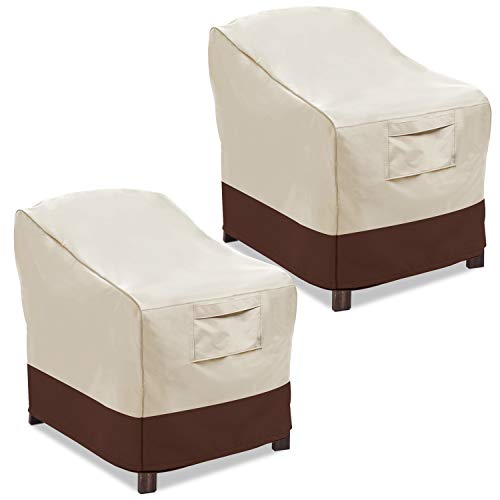
Regularly cleaning using mild soap and water will keep your patio pieces looking their best. I recommend using a soft cloth or sponge to avoid scratches. Rinse thoroughly with clean water afterward to eliminate any soap residue.
Protect against wear and tear by applying a suitable sealant annually, especially for wooden items. This helps prevent moisture damage and prolongs the lifespan of your seating and tables. For metal pieces, check for rust and apply touch-up paint if needed.
During off-seasons, consider storing items in a dry place or covering them with protective tarps to shield against harsh weather conditions. I’ve found that cushioned seats benefit from being stored indoors to keep them free of mold and mildew, ensuring their comfort and appearance remain intact.
Maintenance Tips for Your Ikea Patio Set
Regularly clean using a mixture of mild soap and water. Avoid abrasive cleaners to preserve the finish.
For wooden pieces, apply a protective oil or sealant every year to maintain the wood’s natural beauty and resistance to the elements. Choose a product specifically designed for outdoor wood.
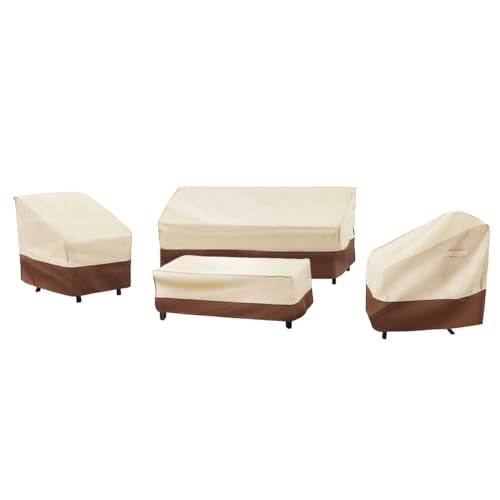


Metal structures may develop rust over time. Inspect for rust spots and treat them immediately with a rust-inhibiting primer and paint designed for outdoor use.
Plastic items are generally more resilient but still benefit from occasional cleaning. Use a soft cloth and a mixture of vinegar and water for deeper stains.
Store cushions in a dry location or use protective covers to prevent fading and damage during adverse weather conditions. Wash fabrics according to the manufacturer’s instructions.
Inspect the assembly regularly, tightening any loose screws or bolts. This maintains stability and extends longevity.
- Check for scratches or dents, especially after severe weather.
- Use a soft brush to remove dirt and debris from hard-to-reach areas.
- Consider applying a UV protectant spray for additional protection against sun damage.
By following these straightforward steps, you’ll enhance the lifespan and appearance of your outdoor setup, ensuring enjoyment for years to come.
Choosing the Right Location for Your Furniture
I recommend positioning pieces in a spot that maximizes comfort and utility. Take into account sunlight exposure, shade availability, and proximity to structures like walls or trees. Aim for a balance where seating receives morning light but is shielded from intense afternoon sun.
Considerations for Sunlight
- Morning sun is ideal for enjoying breakfast or coffee outside.
- Partial shade during peak hours prevents sun damage and heat accumulation.
- Observe the area throughout different times of the day to determine the best spots.
Protection from Elements
- Locate items away from direct wind paths to prolong their lifespan.
- Ensure there is enough room around pieces for easy movement and cleaning.
- Utilize overhangs or umbrellas to protect against rain and direct UV rays.
Selecting a suitable location enhances the enjoyment and longevity of your compositions while maintaining their functional appeal. Adjust placements as necessary to adapt to changing seasons or landscaping developments.
Cleaning Techniques for Different Materials
Wood surfaces need a gentle approach. I mix mild soap with warm water and use a soft cloth or sponge to wipe down the furniture. After cleaning, I rinse with clean water and ensure to dry thoroughly to prevent moisture damage.
For metal components, I opt for a solution of vinegar and water, which effectively removes grime without leaving streaks. Using a microfiber cloth, I gently scrub the surface and then rinse with plain water. I always dry the metal parts immediately to avoid rust.
Plastic pieces require a straightforward method. A simple mixture of baking soda and water turns into a paste that I apply with a soft cloth. This paste helps tackle stains, and after scrubbing, I rinse with water and wipe dry to maintain shine.
Fabric cushions are handled differently. I check the care tags first. If they’re machine washable, I simply toss them in; otherwise, I use a fabric cleaner and a brush to remove stains. Rinsing with a damp cloth ensures there’s no residue left behind.
Glass surfaces can be cleaned with a mix of water and dish soap. I use a squeegee or soft cloth to achieve a streak-free finish, ensuring to clean any edges and seals where dirt accumulates.
Protecting Furniture from Weather Damage
Use protective covers tailored for your pieces. High-quality materials like water-resistant fabric prevent moisture accumulation while allowing air circulation, reducing mold risk.
Consider applying a sealant or protective spray designed for specific materials. For wood, a penetrating oil or varnish provides a barrier against moisture and UV rays, extending longevity.
Keep surfaces clean and dry. Regularly wipe off debris, dirt, and water after heavy rains. Use a soft cloth to avoid scratches, especially on metal and plastic components.
Store items in a secured area during harsh weather events. If possible, place them in a shed or garage. Elevated storage solutions also help keep them off damp ground.
Adjust the positioning to minimize direct exposure to elements. Use patio umbrellas or canopies for shade during sunny days, protecting surfaces from fading. Move items under covered areas during inclement weather.
Inspect frequently for signs of wear or damage. Early identification allows for timely repairs, maintaining the aesthetic and functional qualities of your assets.
Proper Maintenance and Repair Guidelines
Inspect components regularly for any signs of wear and tear. Tighten loose screws and joints immediately to prevent further damage. Use a soft cloth to wipe down surfaces and remove any dirt that might scratch the material.
Repairing Scratches and Dents
For light scratches on wooden items, a mixture of olive oil and vinegar can help reduce visibility. Apply it gently with a soft cloth, following the wood grain. For deeper scratches, use a wood filler that matches the original finish and sand it carefully after drying.
Fabric Care and Repair
For fabric surfaces, check for loose threads or seams and repair them to avoid further fraying. Use a specialized outdoor fabric cleaner for stains. Always follow the manufacturer’s instructions regarding washing and drying to maintain the fabric’s integrity.
| Material | Maintenance Tip | Repair Method |
|---|---|---|
| Wood | Regularly apply a protective sealant. | Use wood filler for deep scratches. |
| Metal | Remove rust using a wire brush. | Apply touch-up paint on scratches. |
| Fabric | Clean with a specialized fabric cleaner. | Stitch loose seams to prevent fraying. |
Store cushions inside during extreme weather to prolong their lifespan. Inspect all items thoroughly before and after the season to ensure they’re ready for use.
Seasonal Storage Tips for Longevity
Always clean your items thoroughly before storing. Remove dirt, debris, and any stains to prevent long-term damage. If applicable, use a mild soap and water solution for cleaning, then let it dry completely.
Disassemble items that can be taken apart. This reduces the space they occupy and minimizes the risk of damage during storage. Keep screws and small parts in labeled bags.
Choose a dry, temperature-controlled space for storage. Avoid damp areas which can encourage mold and mildew growth. If outdoor conditions are unavoidable, cover pieces with breathable tarps to allow air circulation.
Utilize protective coverings like furniture pads or blankets for additional safeguarding. Ensure these covers fit well to prevent moisture accumulation while avoiding tight sealing that traps humidity.
Store items off the ground using pallets or shelves. This provides ventilation and keeps pieces safe from potential flooding or ground moisture.
Inspect the stored products regularly throughout the off-season. Check for signs of pests or moisture, and address any issues immediately to maintain their quality.
Consider using storage containers specifically designed for larger items, which can provide an additional layer of protection against the elements. Ensure they are made of durable materials to withstand the rigors of storage.
Once the storage period ends, perform a thorough examination to catch surface wear or damage before reintroducing them to your outdoor environment. Re-seal or apply protective coatings as necessary to ensure continued longevity.
Refreshing and Restoring Worn Surfaces
I recommend beginning with a thorough cleaning of the surface using mild soap and water. This removes dirt and grime, preparing the material for further treatment.
For wood, consider sanding the surface lightly with fine-grit sandpaper to eliminate rough spots and peeling finishes. After sanding, wipe the surface with a damp cloth and allow it to dry completely.
Applying a wood conditioner or sealer can rejuvenate the appearance. Look for products specifically designed for outdoor wood treatment. These will not only enhance color but also provide a protective layer against moisture.
If metal areas show signs of rust, use a wire brush or sandpaper to remove corrosion. Follow up with a metal primer before applying a weather-resistant paint tailored for outdoor use.
For plastic or synthetic materials, a simple mix of vinegar and water can help to reduce scratches. Gently scrub the surface with this solution, then rinse and dry. If fading occurs, specialized plastic restorers are available that can be applied to renew the color.
In cases where color is significantly faded, consider repainting or refinishing. Choose an outdoor-specific paint that is durable and UV-resistant. This step can dramatically alter the look and prolong the item’s life.
Regular touch-ups are necessary to prevent visible wear. Establish a schedule to assess the condition frequently, and take action before surfaces deteriorate significantly.
Finally, after restoration, applying a protective cover or storing the pieces during harsh weather can extend the life and maintain the refreshed look of your items.
FAQ:
What are the basic steps for cleaning Ikea outdoor furniture?
To clean your Ikea outdoor furniture, first remove any loose debris such as dirt or leaves using a soft brush or cloth. Next, prepare a solution of mild soap and warm water. Using a soft cloth or sponge, gently scrub the surfaces to remove stains and grime. Rinse thoroughly with clean water to ensure no soap residue remains. Finally, dry the furniture with a clean towel to prevent water spots.
How can I protect my Ikea outdoor furniture during winter?
To protect your Ikea outdoor furniture during winter, consider storing it in a dry, sheltered area such as a garage or shed. If indoor storage is not feasible, using outdoor furniture covers made from weather-resistant materials can be effective. Additionally, elevating the furniture off the ground with blocks can help prevent moisture damage. Regularly checking the furniture for signs of wear or damage during the off-season is also advisable.
Are there specific products recommended for maintaining Ikea outdoor furniture finishes?
For maintaining the finishes of Ikea outdoor furniture, it’s best to use products specifically designed for outdoor materials, such as teak oil for wooden furniture or specialized cleaners for metal surfaces. Always check for compatibility with your specific furniture type. It’s advisable to follow the manufacturer’s recommendations on the care and maintenance products to ensure the longevity and appearance of the furniture.
What types of repairs can I perform on Ikea outdoor furniture at home?
Basic repairs you can perform on Ikea outdoor furniture include tightening screws and bolts, replacing worn-out cushions, or sanding down rough areas on wooden surfaces. For metal furnishings, check for rust and use sandpaper to remove it, followed by a touch-up of paint if necessary. If the damage is extensive, like broken parts or structural issues, professional repair might be necessary to ensure safety and stability.
What should I consider before leaving Ikea outdoor furniture outside year-round?
Before leaving your Ikea outdoor furniture outside year-round, consider the material and its durability against harsh weather conditions. Wood furniture may require more maintenance to prevent rotting or warping, while metal may be prone to rust. Additionally, think about the location; a shaded area can help protect against sun damage. Regular inspections for any signs of wear or damage should also be factored into your decision.
What are the best cleaning methods for IKEA outdoor furniture?
To clean IKEA outdoor furniture, start with a gentle soap solution made from mild dish soap and warm water. Use a soft cloth or sponge to wipe down the surfaces, paying attention to any dirt or debris. For stubborn stains, a mixture of baking soda and water can work well. Rinse everything with clean water afterward and let the furniture dry completely. Avoid using abrasive cleaners or scrubbing pads, as they can damage the surface finish.
How can I protect my IKEA outdoor furniture during the winter?
To protect your IKEA outdoor furniture during winter, it’s advisable to store it indoors, if possible. If indoor storage isn’t an option, cover the furniture with breathable outdoor furniture covers to prevent moisture buildup. Ensure the furniture is clean and dry before covering it, as trapped water can lead to mold or mildew. Additionally, consider applying a protective oil or sealant specifically designed for the materials used in your furniture, such as wood or metal, to enhance durability against the elements.