
 Caleb Turner

Begin with an assessment of the wooden materials you have access to. Choose boards that are sturdy, free from rot, and have minimal splinters. Inspect each piece closely; quality will influence the durability and comfort of your creations.
Next, gather the necessary tools: a saw for cutting, screws for assembly, sandpaper for smoothing surfaces, and a good quality outdoor stain or sealant for protection against the elements. Having everything ready before starting ensures a smoother crafting experience.
Consider your design carefully. Sketch out arrangements for benches, tables, or lounging areas that fit the space you have. Customizing dimensions to suit your needs not only enhances functionality but also adds a personal touch to your yard.
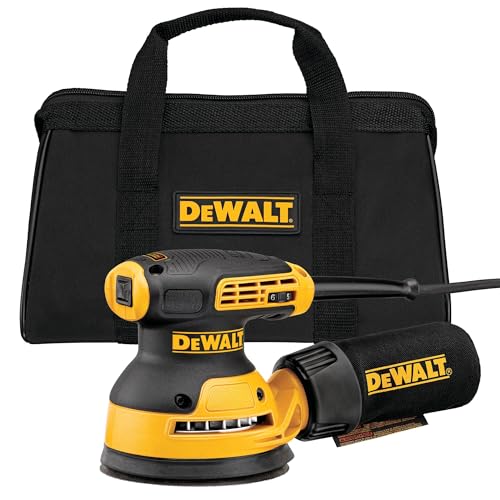
Once your design is complete, begin cutting the wood according to your measurements. Ensure each cut is straight to maintain the structure’s integrity. After cutting, sanding each piece properly is vital to avoid injuries and achieve a polished look.
Assemble the pieces according to your layout, securing with screws where necessary for stability. Keep in mind that securing cross supports will significantly enhance the strength of larger structures.


Finally, apply a weatherproof coating that will protect against moisture and UV damage. Allow sufficient drying time before using your newly crafted pieces, ensuring they’re ready to withstand the elements and provide a comfortable outdoor space.
Construction Tips for Outdoor Seating from Wooden Crates
To transform wooden crates into inviting outdoor seating, ensure you select high-quality materials. Inspect each piece for damage or rot. Choosing crates with a uniform size simplifies assembly.
Assembly Process
Start by securing the crates together. Utilize wood screws for stability, ensuring that they penetrate deeply into the wood without splitting it. For added reinforcement, consider using L-brackets on the corners. Before attaching any surface, sand down the edges to avoid splinters.
Finishing Touches
Once your structure is assembled, apply a weather-resistant finish. A coat of exterior wood sealant will protect against moisture and UV damage. To personalize your seating, add cushions with outdoor fabric. Opt for durable foam that resists mildew and fading. Secure the cushions with ties to prevent them from blowing away.
Choosing the Right Pallets for Your Project
For success, select heat-treated pallets, easily identified by the “HT” stamp, ensuring they comply with safety standards. Avoid chemically treated ones marked with “MB,” as they pose health risks due to toxic substances.
Identifying Pallet Condition
Inspect each piece carefully. Look for:
- Intact wood without significant cracks or splits
- Absence of visible mold or contaminants
- Stable, unbroken boards with no loose nails or sharp edges
Choosing the Right Size
Common dimensions are 48×40 inches. Consider your design needs, ensuring adequate space for both seating and comfort. Customizing with larger or smaller options can enhance functionality, so ensure compatibility with your scheme. Keep aesthetics in mind, balancing practicality with visual appeal.
Prioritize local suppliers for cost-effective sourcing. Reusing pallets from nearby businesses reduces waste while supporting sustainability. Research local delivery options to minimize logistics hassles.
Finally, confirm that pallets are compatible with desired finishes, ensuring a smooth transformation into your desired product. Proper surface preparation can significantly improve the final look, so plan your sanding and staining ahead of time.
Tools and Materials Needed for Construction
Investing in the right equipment is key for success in this creative project. I recommend gathering a circular saw or a jigsaw to cut the wood efficiently. A drill with various bits will help with assembling pieces and creating any necessary holes. Additionally, a sander is invaluable for achieving a smooth finish on the uneven surfaces of the wood.
Basic Tools
Include a tape measure to ensure accuracy when measuring each section. A square is helpful for marking precise angles and maintaining straight lines. Safety goggles and gloves are a must to protect against flying debris and splinters. Keeping a level on hand will help ensure that everything stands firm and is aligned correctly.
Materials
Ensure a good supply of screws and wood glue for strong connections. Choose high-quality wood finishes or stains to enhance the appearance and longevity of the items you create. Lastly, stock up on wood filler for any imperfections and a weatherproof sealant to safeguard the final structure from the elements.
This collection of tools and materials sets you up for a smooth experience while crafting your outdoor pieces.
Preparing Pallets for Furniture Making
First, I inspect each piece for damage, looking specifically for broken boards or loose nails that could compromise strength. I ensure all components are intact and sturdy.
Cleaning is the next step. I use a pressure washer to remove dirt, grime, and potential chemicals from previous loads. If a pressure washer is unavailable, scrubbing with soap and water followed by thorough rinsing will suffice.
After cleaning, I allow the materials to dry completely. This prevents mold and ensures a strong finish when applying coatings.
Next, I sand rough edges and surfaces. A power sander speeds up the process, but hand sanding is just as effective, especially for intricate areas. I start with coarse sandpaper, transitioning to a finer grit for a smooth finish.
This preparation phase includes treating the wood with a wood preservative. This step is crucial to protect against moisture, pests, and decay. It’s vital to select a suitable product that will not harm outdoor environments.
Finally, I apply a wood stain or sealant to enhance durability and aesthetics. Choosing a non-toxic option ensures safety for surrounding plant life. I let it cure fully before any assembly to ensure the best results.
Designing Your Furniture Layout
Prioritize functionality and comfort. Consider dividing the area into zones, ensuring efficient use of space. Place seating arrangements in a way that encourages conversation and relaxation, with chairs and benches facing each other. Aim for a circular layout to create an inviting atmosphere.
Scale and Proportion
Evaluate the dimensions of your components. Choose sizes that complement the available space without overcrowding. For instance, a small coffee table can be placed in the center of a seating circle to maintain balance. Utilize larger sections of timber for statement pieces, while keeping accessories more compact to avoid visual clutter.
Accessibility and Flow
Ensure clear pathways for movement. Leave ample space between seats and tables to allow easy navigation. Align components away from doorways and high-traffic areas. By maintaining a smooth flow around the setup, visits become more enjoyable, as guests can move freely and comfortably.
Add personal touches using cushions and decorative items. Integrate colors and patterns that reflect your style, enhancing the overall feel of the ambiance. Consider shade and protection from weather elements, placing larger structures strategically for optimal shelter while maintaining a cohesive design.
Step-by-Step Assembly Instructions
Begin by laying out your components in an organized manner. I prefer to create a designated assembly area, ensuring all pieces are easily accessible. This significantly simplifies the process.
1. Create the Base Frame
Attach four pallets together to form the base. Position two pallets parallel to each other, leaving enough gap for additional support pieces. Secure using heavy-duty screws, ensuring the structure is sturdy. Check for any wobbling; adjustments may be needed for stability.
2. Add Support Beams
Install cross-support beams across the base by cutting additional slats to appropriate lengths. Use a level to confirm alignment and secure them using screws. This method distributes weight and enhances robustness.
| Component | Measurement |
|---|---|
| Base Pallet Length | 48 inches |
| Support Beam Length | 45 inches |
| Height for Table | 18 inches |
After establishing the frame, attach additional pallets on top to create the seating surface. Apply wood glue in addition to screws for extra durability. Ensure the planks are flush with one another to maintain aesthetics and comfort.
3. Final Touches
Sand down any rough edges to prevent splinters. Choose an outdoor finish for sealing, which will protect against weather conditions. The last step involves adding cushions or other accessories for added comfort, enhancing the overall appeal.
Finishing Touches: Staining and Sealing
Choose a stain that enhances the wood grain while providing protection. I prefer water-based options for easy application and quick drying. Test the stain on a small area first to see how the color turns out.
Application Techniques
Use a clean rag or a brush to apply the stain evenly. Work in sections, and wipe off excess after a few minutes to avoid blotches. Ensure you apply the stain in the direction of the grain. Allow to dry completely before adding additional coats–generally, two to three layers yield the best results.
Sealing for Longevity
A good sealer is necessary to protect from moisture and UV rays. Options like polyurethane or an outdoor-rated varnish work well. Apply a thin layer following the stain application. I recommend using a brush for a smooth finish. Allow the first coat to dry, lightly sand between coats, and apply at least two layers for optimum durability.
Regular maintenance will keep your creation looking new. Reapply stain and sealer annually, especially if exposed to harsh weather conditions. This will highlight the beauty and ensure longevity of your project.
Maintenance Tips for Longevity
To ensure durability, regular cleaning is crucial. Use a mild detergent mixed with water, scrubbing with a soft brush to remove dirt and stains. Rinse thoroughly with clean water and allow to dry completely.
Sealing and Protection
- Apply a weather-resistant sealant annually to prevent moisture damage.
- Choose a product that also blocks UV rays to mitigate sun damage.
- Store items in a dry place during extreme weather conditions for added protection.
Inspecting and Repairing
- Check for loose screws and fasteners regularly to maintain structural integrity.
- Look for signs of mold or mildew, treating them immediately to avoid further issues.
- Consider sanding rough areas to prevent splinters and enhance comfort.
By adhering to these practices, longevity and functionality will be maximized throughout the years.


