Caleb Turner

The initial step involves careful planning and precise measurement to determine where these secret areas will fit seamlessly within the overall design. Visualize the purpose of these compartments – whether for storing valuables or simply for added intrigue. Align dimensions with your intended usage, ensuring a balance between accessibility and discretion.
Choosing the right materials is critical; consider using plywood for structural integrity paired with hardwoods for the final finish. This combination not only provides durability but also allows for smooth transitions between visible and concealed sections. When crafting the outer layer, sand and seal the surfaces well to maintain a polished look, enhancing the aesthetics of your creation.


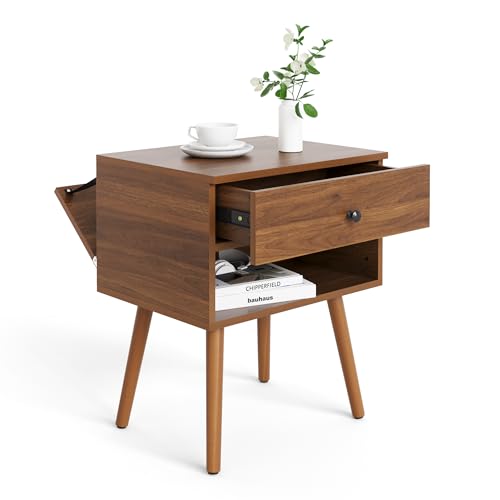
Utilizing hinges or sliding mechanisms can greatly enhance the functionality of these secret spaces. Test various designs to find the most discreet and efficient operation that blends with the overall piece. Incorporating soft-close features can further elevate the user experience, ensuring a quiet and seamless access.
Lastly, experiment with finishes that camouflage the concealed sections, making them blend in with the rest of the design. Using stains or paints that match the surrounding materials can effectively hide these compartments, leaving a smooth and cohesive look to your creation.
Creating Concealed Storage Solutions
Integrate trap doors within your design. Choose a spot where the mechanics won’t disrupt daily use, such as beneath a tabletop or beneath seating. Install hinges that allow seamless access while maintaining structural integrity. Ensure the weight is evenly distributed across the mechanism to prevent sagging.
Consider false bottoms in drawers or cabinets. Construct a shallow base to hold essentials, while maintaining a standard appearance. Use lightweight materials to avoid excess weight, ensuring hidden items remain easy to retrieve.
Use sliding panels as a façade. This approach allows a hidden space behind an attractive finish. Incorporate smooth-glide tracks for effortless movement, making the transition between visible and concealed areas smooth.
Craft customized shelving units with built-in nooks. By designing intricate shelving, you can create deep cavities that blend seamlessly into your decor. Ensure aesthetics align by finishing the edges to match the surrounding surfaces.
Utilize magnetic closures for quick access. They provide a sleek look while ensuring the compartments remain secure. Position them strategically for convenience, so access becomes second nature.
Experiment with nested components. Design pieces that stack or fit within each other, maximizing the space in visible areas while maintaining practicality. This method can beautifully highlight your ingenuity.
Choosing the Right Materials for Concealed Storage
Opt for sturdy wood types such as oak or maple, known for their durability and resistance to wear. These choices ensure long-lasting integrity for secret storage solutions.
MDF (Medium-Density Fiberboard) is a practical alternative. It provides a smooth surface for layering paints or finishes, allowing for a seamless design that blends with surrounding surfaces.
Metal components can enhance security. Stainless steel or reinforced hinges are excellent choices for ensuring that compartments remain discreet yet functional.
- Consider using veneers for a polished look. These can cover less attractive materials while maintaining an aesthetically pleasing appearance.
- For softer elements, think about using high-density foam or soft close mechanisms. They reduce noise when opening or closing concealed sections.
In terms of finishes, select non-toxic paints or stains that complement your overall design. These create a protective layer while ensuring safety, especially important if the piece is used in a living area.
Textures also play a role. Smooth surfaces are visually appealing, while textured finishes can help in discreetly opening compartments, as they provide grip without drawing attention.
Finally, evaluate the weight capacities required. Heavier items necessitate more robust materials; ensure the underlying structure can support whatever will be stored within the concealed sections.
Designing Layouts for Concealed Storage
Prioritize function and accessibility in your designs. Determine the purpose of each hidden area, whether for valuables or everyday items, and set dimensions accordingly.
Incorporate ergonomic principles. Ensure that compartments are easy to access but cleverly integrated. For instance, a false bottom in a drawer can conceal your items while maintaining a natural appearance.
Utilize existing structure effectively. Utilize the depth of cabinets, shelves, or desks, as well as joinery techniques that provide additional space without compromising stability.
Create layouts that encourage flow. Strategically place secret spaces near frequently used areas, reducing clutter while keeping essential items out of sight. Consider placing an altering compartment within a seat cushion, allowing for quick access.
Incorporate security features. Adding locks or magnetic closures can enhance the safety of concealed spaces, ensuring that personal belongings remain secure.
Plan for aesthetics. Choose designs that blend seamlessly with the surrounding elements, maintaining a coherent style while offering surprise functionality. A beautiful piece can hide essential items without drawing attention.
Iterate designs through sketches and models. Visualizing and testing will reveal potential complications or unforeseen opportunities in your layouts.
Test usability. Invite feedback during the prototype stage to identify any challenges in accessibility and practicality that may arise once the piece is in use.
Tools Needed for Creating Concealed Storage Solutions
To successfully design and manufacture pieces incorporating secret storage areas, having the right tools is essential. Here’s a focused list of equipment and supplies that I find indispensable.
Basic Hand Tools
- Measuring Tape: For accurate dimensions of wood and compartments.
- Screwdriver Set: Choose both flathead and Phillips types for various screws.
- Hammer: Necessary for driving nails into joints.
- Utility Knife: Useful for cutting materials to size and trimming edges.
Power Tools
- Table Saw: Ideal for making precise cuts for panels and shelves.
- Drill and Drill Bits: Essential for creating holes for screws and fittings.
- Sander: Smooths surfaces and edges for a polished finish.
- Jigsaw: Perfect for intricate cuts required for hidden entrances.
Additional items to consider include clamps for secure holds during assembly, wood glue for added stability, and a level to ensure compartments are perfectly aligned. With this toolkit, I can confidently tackle any project that involves secret storage spaces.
Step-by-Step Guide to Creating a Hidden Drawer
Begin by measuring the space you have available. Consider the dimensions of the drawer while ensuring it fits seamlessly within the overall design. Use plywood or solid wood for structural integrity and aesthetics.
Constructing the Drawer Box
Cut the panels for your drawer to size. The front panel should be slightly wider than the sides to allow for a flush fit against the surrounding material. Assemble the box using wood glue and screws, ensuring everything is square. For added stability, consider using corner brackets.
Creating the Mechanism
Choose a sliding mechanism that suits the weight and frequency of use, such as under-mount or side-mounted slides. Install these according to the manufacturer’s instructions, ensuring they align perfectly to allow smooth operation. If concealing the entrance, incorporate a false front that disguises the drawer.
Handle the facade craftily, using matching finishes that blend with the surrounding area. For a subtle touch, a push-to-open latch can be utilized instead of a traditional handle, creating a clean look while keeping access discreet.
Finally, test the drawer’s functionality. Adjust the slides or trim edges if necessary, ensuring everything opens and closes seamlessly. This process guarantees not only a functional space but also enhances the overall design aesthetic of the piece.
Incorporating Concealed Spaces in Upholstered Items
For successful integration of secret spaces within upholstered items, precise planning is the key. First, choose the right frame that can support the secret storage while maintaining structural integrity. Solid wood or plywood works well for this. Ensure the dimensions accommodate the substructure needed for the hidden area without compromising comfort.
Consider the location of access points carefully. Placement of zippers or panels should allow for easy retrieval while maintaining a sleek façade. For example, I often install zippers along the seams of cushions or under removable upholstery to disguise the entry points seamlessly.
The choice of padding material affects the concealment. Thick foam helps to obscure the outlines of internal structures, while maintaining comfort. Test out various densities to find a balance that supports weight without revealing the compartment.
I find it useful to create compartmentalized layouts inside the concealed area. Use dividers made from lightweight materials to keep items organized and prevent movement. This also maximizes space, allowing for various shapes and sizes of items.
Lastly, ensure the upholstery design matches the overall aesthetic. Use patterns or textures that complement the existing décor to prevent suspicion about the functionality of the piece. Paying attention to these details can transform a standard upholstered item into a clever storage solution.
| Tip | Description |
|---|---|
| Frame Selection | Opt for solid wood or plywood for strength and support. |
| Access Design | Use zippers or hidden panels for easy access while keeping a streamlined look. |
| Padding Considerations | Thick foam can mask internal structures while providing comfort. |
| Internal Layout | Create compartments to keep items organized and maximize available space. |
| Aesthetic Matching | Ensure that the fabric and design align with existing pieces for a cohesive look. |
Techniques for Seamless Integration of Concealed Areas
Employ a flush-mount design to create undetectable entrances. This involves aligning the front panel of the component with adjacent surfaces, ensuring that the opening mechanism, such as a push-to-open latch, remains hidden.
Utilize false bottoms in drawers or tables to develop sly recesses. By incorporating a shallow section beneath a larger drawer, it allows additional items to be stored discreetly without altering the external dimensions.
Magnetic closures can enhance invisibility. By using magnets to secure lids or panels, accessibility remains unobtrusive, while the mechanism remains concealed from plain sight.
Choose hinges that are inside recessed areas. This prevents them from disrupting the aesthetic when accessing secret zones, allowing smooth transitions between visible surfaces and secret areas.
Consider camouflaging storage spots with decorative elements. For instance, using artwork or mirrors that hinge open not only serves as a cover but also adds an eye-catching detail to the space.
Employ paneling techniques to integrate secret storage. Matching the color and grain of wood or material creates harmony, making the hidden areas less noticeable at first glance.
Incorporate weighted mechanisms for sliding panels or doors to ensure fluid operation. This technique increases the functional integrity while keeping the secret structure harmonious with the surrounding design.
Use layered fabrication methods to build in-depth compartments. By stacking surfaces, I can create a multi-dimensional space that serves various functions without compromising the original purpose.
Employ acoustic dampening for added discretion. Utilizing materials that absorb sound can prevent any noise during operation, maintaining the element of surprise regarding concealed locations.
Plan for access locations that are strategically placed. Consider using areas that might otherwise seem less functional, such as under benches or within thick frames, transforming those into valuable storage solutions.
Finishing Touches: Hiding Mechanisms and Hinges
Select inconspicuous mechanisms and hinges to ensure seamless functionality. Consider using European concealed hinges, which allow for smooth operation while remaining virtually invisible. These hinges provide a clean look and can support heavier doors or lids, making them ideal for secret drawers or secret compartments.
Magnetic Closures
Integrate magnetic closures for a minimalistic approach. They offer a straightforward solution for securing compartments without visible latches or handles. Place magnets strategically within the frame or along the edges of the access point for a sleek finish.
Sliding Mechanisms
Utilize sliding rails or tracks for hidden panels. This design allows easy access while keeping the reveal discreet. Opt for low-profile tracks to maintain the aesthetic. Ensure smooth movement by selecting quality components that reduce friction, enhancing the user experience.
Aim for alignment in all hidden sections, allowing doors and panels to line up flush with the surrounding surfaces. Employ precise measuring techniques during construction to ensure everything fits seamlessly. Conceal any visible hardware with matching finishes to blend in seamlessly with the surrounding design.
Practical Examples of Furniture with Concealed Storage Solutions
Consider a coffee table designed with a removable top that reveals a spacious area underneath. This design cleverly disguises a storage space while maintaining a sleek appearance. I find it particularly useful for storing coasters, magazines, or even electronic devices.
Bed Frames with Secret Drawers
A bed frame featuring sliding drawers beneath the mattress offers an excellent way to store linens and seasonal clothing. I recommend using a robust mechanism for the drawers to ensure smooth operation. The key is to integrate them seamlessly so that they don’t detract from the overall aesthetic of the sleeping area.
Benches with Hidden Storage
An entryway bench can be transformed into a practical piece by incorporating a hinged top that opens to reveal storage for shoes or outdoor gear. I suggest using soft-close hinges for safety and convenience, allowing for easy access without the risk of pinching fingers. This not only maximizes space but also contributes to a tidy environment.
Maintaining and Accessing Concealed Storage Efficiently
To optimize the use of secret spaces, regular maintenance is crucial. Periodically check for dust accumulation or debris that could obstruct access. A simple cleaning routine ensures easy retrieval of items without unnecessary hassle. Use a soft cloth or a vacuum attachment to keep the area tidy.
Organizing Items for Quick Access
I recommend categorizing the contents stored away to speed up the retrieval process. Consider utilizing small bins or containers to separate items by purpose or frequency of use. Label these containers for enhanced identification, facilitating an efficient experience when reaching for specific belongings.
Utilizing Innovative Mechanisms
For seamless operation, consider integrating soft-close mechanisms or push-to-open systems into the design. These features enhance both functionality and user experience, providing effortless access to stored items while maintaining a sleek appearance. Regularly test these mechanisms to ensure they function smoothly over time.