
 Caleb Turner
Choosing quality materials is paramount. Opt for hardwoods like oak, maple, or walnut for durability and an appealing finish. Plywood of high grade can be a fantastic alternative for shelving or cabinetry. Knowing the characteristics of your selected materials will impact the longevity and aesthetic of your designs.
Utilize precise measurements before commencing any task. A reliable tape measure and square will help ensure that every angle is accurate. Sketching your ideas on paper allows for adjustments and clarity, minimizing mistakes during the actual assembly phase.
Investing in the right tools can transform the building process. Essential equipment includes a circular saw, drill, and sander. Each tool serves a unique function, making the process smoother and more enjoyable. If you’re unsure about a specific tool, many online resources provide comprehensive guides.
Don’t underestimate the importance of finishing touches. Sanding your piece to a smooth sheen and applying quality stains or varnishes enhances appearance and increases resistance to wear. Experimenting with finishes can lead to unexpected yet stunning results, making each creation uniquely yours.
Constructing Custom Pieces
Choose quality materials like hardwood or plywood for durability. I recommend selecting a suitable finish, such as oil or varnish, to enhance the appearance and protect surfaces. Pay attention to measurements–accurate dimensions are crucial. A miter saw or circular saw will ensure clean cuts. Use sandpaper or a sander for smooth edges, preventing splinters.


Assembly Techniques
Join wooden components using wood glue and clamps for a strong bond. Consider dowels or pocket hole screws for added stability. Pre-drilling holes will reduce the risk of splitting the wood. Always double-check alignment before securing pieces to avoid skewed results.
Final Touches
Once assembled, inspect for any imperfections. Fill gaps or holes with wood filler, then sand down for a seamless finish. Apply your chosen finish evenly, using a brush or cloth, allowing sufficient drying time between coats. This attention to detail will elevate the quality and longevity of your creation.
Choosing the Right Materials for Your Project
Opt for high-quality hardwood when crafting items that require durability. Maple, oak, and cherry are excellent choices due to their strength and natural beauty. For a more budget-friendly option, consider plywood, which is both strong and versatile.
Lightweight Alternatives
If mobility is a priority, look into lightweight materials, such as medium-density fiberboard (MDF) or particleboard. These options are easier to handle and can be finished to achieve a nice appearance.
Finishing Touches
Invest in appropriate finishes that protect the surface and enhance the aesthetic. Natural oils and water-based varnishes are popular for their eco-friendliness and ease of application. Test finishes on scrap pieces to ensure compatibility with your chosen material.
Tools You Need for Furniture Construction
I recommend gathering a range of tools that will streamline the process of crafting your items. These instruments will enhance precision and ensure safety.
- Measuring Tools: Accurate measurements are crucial. Use a tape measure, square, and calipers for precise dimensions.
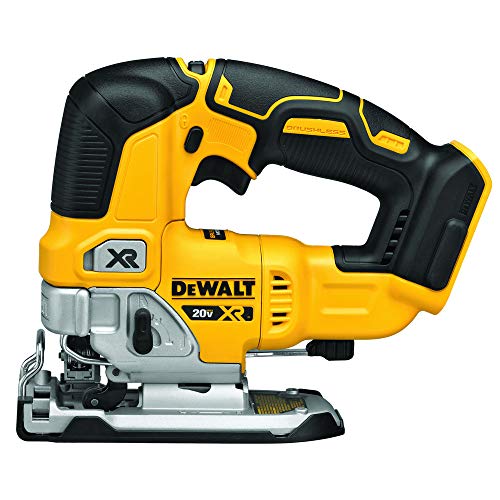
- Cutting Equipment: A circular saw and a jigsaw are versatile for straight cuts and intricate shapes. A miter saw is beneficial for angle cuts.
- Drilling Devices: An electric drill and a set of drill bits accommodate various tasks like creating pilot holes or installing hardware.
- Sanding Tools: Orbital sanders and hand sanders help achieve a smooth finish. Include a variety of grits for different stages of sanding.
- Joining Tools: Wood glue, screws, and clamps are essential for strong bonds between components. A pocket hole jig can improve hidden joins.
- Finishing Tools: Brushes, rollers, or spray guns apply paint, stain, or varnish. Quality finishing enhances appearance and durability.
Investing in quality tools can significantly improve results, making the crafting experience enjoyable. Proper maintenance ensures longevity and consistent performance.
Lastly, safety gear, including gloves, goggles, and a dust mask, should be in your toolkit to protect during use.
Designing Your Furniture: Sketches and Measurements
Begin with accurate sketches. I use graph paper or a software application to create precise designs. Make sure to include dimensions for each component; this ensures clarity while assembling. It helps to draw the front, side, and top views separately to visualize the piece comprehensively.
Measurements are crucial. I always measure the space where the item will reside before finalizing any dimensions. Consider the scale of your design–too bulky could overwhelm a small room, while a too-small piece might get lost in a larger area.
Proportions significantly affect both aesthetics and functionality. A common rule is to keep height ratios between 1:1.6 (height to width) for tables and 1:1.2 for chairs. Testing these proportions with mock-up materials can provide practical insights.
Labeling each piece in your sketches can streamline the construction phase. I note materials needed next to their corresponding parts, which simplifies shopping and minimizes errors. Don’t forget to include allowances for joints and hardware in the measurements to ensure a snug fit.
Throughout this design phase, I continuously refine my ideas. I find feedback helpful; sharing sketches with friends can yield valuable perspectives. Keep iterating until you feel confident in your design.
Cutting Techniques for Accurate Measurements
Using a miter saw ensures precise angles for clean edges. Measure twice and align the wood securely before cutting to avoid mistakes. For straight cuts, a circular saw combined with a guide rail provides consistent results.
Employing a table saw allows for uniform thickness on multiple pieces. Set the fence accurately and use sharp blades to enhance quality. Adjust the height carefully for different material widths.
For intricate shapes, utilizing a jigsaw is beneficial. Mark your design on the material, and be sure to follow the lines steadily. A fine-toothed blade minimizes splintering and improves accuracy.
Always prioritize safety–wear protective gear like goggles and ear protection while cutting. Maintain a clean workspace to prevent accidents and improve focus on measurements.
Calibrate measuring tools regularly. A reliable tape measure, square, and level are indispensable for achieving the correct dimensions. Digital calipers can provide enhanced accuracy for more detailed projects.
Lastly, practice makes perfect. Experiment with different cutting techniques and methods on scrap pieces before moving on to your actual materials. This builds confidence and hones your skills for a polished final product.
Assembling Your Piece: Step-by-Step Guide
Begin with a well-thought-out plan. Lay out all components and tools on a clean workspace. This prevents confusion and ensures everything is at hand.
-
Gather Components: Collect all cut pieces, hardware, and fasteners specified in your design. Double-check against your materials list for completeness.
-
Prepare the Parts: Sand edges of each piece to eliminate splinters and prepare surfaces for joining. A smooth surface enhances adhesion for joints.
-
Assemble the Frame: Start by constructing the main frame of your piece. Use wood glue and clamps to secure corners before inserting screws for added stability.
-
Secure Joinery: Use dowels or pocket holes for added strength. Ensure the joints are flush and allow the glue to cure adequately before proceeding.
-
Add Shelves or Surfaces: Position shelves using brackets or dado cuts. Verify level alignment and secure with screws or glue as needed.
-
Final Assembly: Once the main structure is stable, attach any remaining components such as legs or backs. Ensure everything is square and tightly fastened.
-
Finishing Touches: Sand any rough spots and apply your chosen stain or finish. Consider multiple coats for durability.
Inspect your creation for stability and appearance. Make any necessary adjustments before using the finished piece. A precise approach in assembly leads to greater longevity and satisfaction in your work.
Finishing Techniques: Staining and Painting
I recommend preparing the surface thoroughly before applying any finish. Sanding is critical; use progressively finer grits until you achieve a smooth surface. Start with 80-grit sandpaper and work your way up to 220-grit. Always sand with the grain to avoid scratches.
For staining, select a high-quality wood stain. Test it on a scrap piece of the same material to gauge the color. Apply the stain with a clean cloth or brush, using long, even strokes. Let it sit according to the manufacturer’s instructions for the desired depth of color, then wipe off the excess. I find that a second coat can intensify the hue, but this depends on personal preference.
Sealing the Stain
Once the stain is dry, a protective finish is necessary to guard against wear and moisture. I prefer polyurethane for its durability. Use a foam brush for application, and apply it in thin, even coats. Lightly sand between each coat with 320-grit sandpaper for a smooth finish. Three coats of polyurethane usually provide sufficient protection.
Painting Techniques
For those who choose to paint, opt for high-quality latex or acrylic paint. Use a primer first; this improves paint adhesion and durability. Apply the primer with a roller or brush, then let it dry completely before painting. For the best results, apply at least two coats of paint, allowing adequate drying time between applications. I typically use a foam roller for a smooth finish and a brush for edges and corners.
Finishing can dramatically influence the final appearance. Consider your space and style, and choose a staining or painting technique that complements your overall vision.
Adding Hardware: Doors, Drawers, and Hinges
Choosing the right hardware significantly impacts functionality and aesthetics. For doors, I prefer concealed hinges for a clean look. They provide smooth operation and are adjustable, which is a plus for aligning with cabinets or frames. Ensure to measure the door thickness to select compatible hinges.
Drawer Slides
When considering drawer construction, I opt for ball-bearing drawer slides. They support heavier loads and open smoothly. Installing these slides requires precise measurements; I mark their position carefully to ensure they are level and aligned with the cabinet sides. Use screws rather than nails for durability.
Handles and Knobs
Selection of handles can transform the appearance. I suggest sampling various styles to match the overall design. Mounting hardware should be compatible with the drawer or door material; pre-drilling holes to avoid splitting is a must. A consistent 4 to 5 inches between screws ensures a sturdy attachment.
Safety Tips While Creating Your Own Pieces
Always wear safety goggles to protect your eyes from flying debris and dust. It’s non-negotiable during any cutting or sanding activities.
Use ear protection, especially when operating loud machinery. Prolonged exposure can lead to hearing loss.
Ensure your workspace is clean and organized. Clutter increases the risk of accidents, so keep tools and materials in designated areas.
Proper Handling of Tools
Familiarize yourself with each tool’s operation manual. Understanding the mechanisms will lower the chances of misuse.
Utilize push sticks when working with saws to keep fingers away from the blade path. This simple tool minimizes injuries.
Workspace Considerations
Maintain proper ventilation when working with stains or paints. Inhaling fumes can be harmful to your health; open windows or use fans to circulate air effectively.
Store materials safely and securely. Heavy or sharp objects should be placed lower to prevent falls and risks of cutting.
| Safety Equipment | Description |
|---|---|
| Safety Goggles | Protects eyes from dust and debris. |
| Ear Protection | Reduces noise exposure during tool usage. |
| Dust Mask | Prevents inhalation of harmful particles. |
| Gloves | Protects hands from sharp objects and splinters. |
Always check the safety features of your equipment, such as blade guards on saws. These mechanisms are designed to prevent accidental contact with moving parts.
Stay focused and avoid multitasking; distractions can lead to accidents. If you’re feeling fatigued, take breaks to maintain sharp attention to detail.
Maintaining Your Homemade Furniture
Regular cleaning is fundamental. Use a soft cloth dampened with mild soap and water to wipe surfaces, avoiding harsh chemicals that can damage finishes.
Inspect joints and connections periodically. Tighten screws or reapply glue if necessary to prevent any wobbliness over time.
Apply a protective finish regularly. Depending on the material, consider re-staining or re-sealing wood to maintain its look and shield against moisture.
Avoid placing items that transmit heat directly on surfaces. Use coasters or trivets to prevent damage from hot dishes or beverages.
For upholstered elements, vacuum regularly to remove dust and debris. Check for any stains and treat them promptly to maintain fabric quality.
Place felt pads under legs to prevent scratching on floors. This simple addition can greatly enhance longevity and appearance.
Store items appropriately. Ensure books, decor, or other objects do not weigh too heavily or crowd surfaces, which can cause sagging or structural strain.
Consider seasonal changes. Adjust humidity levels when necessary, as wood can expand or contract with moisture changes.
Remember to balance the load on shelves, distributing weight evenly to prevent warping. Regularly evaluating weight distribution can prevent future issues.


