
 Caleb Turner

I recommend selecting a sturdy, moisture-resistant material to craft the outer shell. Plywood or MDF coated with a waterproof finish works well to prevent damage from spills and litter tracking. Cut the pieces to the desired dimensions to ensure ample space for your feline companion while maintaining a compact profile for your living area.
The entry point should be designed with your pet’s comfort in mind. A lower entrance will encourage use, while an additional flap or door can help contain odors and mess. Ensure that it’s easy for your pet to access and exit without feeling trapped inside the enclosure.
Ventilation is another critical aspect. Incorporate grill vents or holes near the top of the enclosure to promote airflow, reducing odors and moisture. This also helps keep the environment comfortable for your animal. Regular cleaning access is vital; incorporate a removable tray or hatch to simplify maintenance and ensure hygiene.
Lastly, consider the placement of the unit. Choose a discreet location that your pet is comfortable with while also matching your home’s aesthetic. Entertaining visual appeal can be achieved with paint or decorative elements, allowing the piece to blend seamlessly into your living space.
Constructing a Concealed Pet Waste Station
Choose a suitable location, ideally a quiet corner, for this hidden waste area. Measure the space available to ensure the enclosure fits well without overcrowding the environment.


Select high-quality materials like plywood or medium-density fiberboard for durability. Ensure the chosen wood is moisture-resistant, as cleaning around the area will occur frequently.
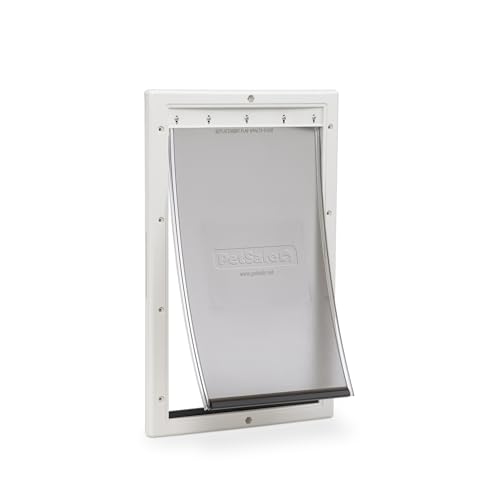
Design the entryway. A cut-out door on one side allows the animal easy access while keeping the surroundings visually appealing. Create a secure latch mechanism to prevent unwanted openings while ensuring it’s user-friendly for both you and your pet.
Integrate ventilation. Drill small holes or add a vent cover to prevent unpleasant odors from accumulating. Position the vent high enough to maintain a discreet appearance.
Incorporate a removable tray for easy maintenance. Accurately measure the bottom of the structure and cut a shallow drawer that can be pulled out effortlessly. Line it with a protective layer to facilitate cleaning and prolong the lifespan of the wood.
Finish the unit with a coat of non-toxic sealant or paint suitable for pet environments. This helps in easy cleaning and enhances visual aesthetics, making it blend seamlessly into your home decor.
Utilize storage options for extra supplies. Adding shelves or compartments inside provides a clever way to keep essentials like extra waste bags or scoops readily available yet hidden from view.
Lastly, ensure the structure remains stable and secure. Adding rubber pads or felt to the bottom can prevent sliding and protect flooring while promoting stability during use.
Selecting the Right Materials for Your Cat Litter Box Furniture
Opt for materials that withstand moisture and odors. Plywood or MDF with a water-resistant finish is ideal, ensuring durability and ease of cleaning. Avoid untreated wood, as it can absorb liquids, leading to unpleasant smells and damage over time.
Consider using laminate or melamine surfaces to enhance protection against spills. These materials are easy to wipe down, making maintenance straightforward. Additionally, look for non-toxic finishes to guarantee safety for pets and household members.
Integrate ventilation features, such as mesh or perforated panels. This prevents accumulation of odors and improves air circulation, creating a fresher environment. Choose sturdy hinges or magnetic closures for access points, ensuring they stand up to frequent use without compromising security.
Think about aesthetics; select finishes and colors that match your home decor. Painted or stained surfaces can provide a customized look. Use waterproof sealants to enhance longevity while maintaining visual appeal.
Incorporate soft, noise-absorbing materials such as felt or carpet for the entry areas. These can minimize sound when pets enter or exit, adding comfort while maintaining a stylish appearance.
Measuring Your Space for the Cat Litter Box Furniture
To ensure a seamless fit for your pet’s designated area, I recommend taking precise measurements of the available space prior to any construction. Start with the dimensions of the area where you plan to place the unit. Use a tape measure to find the length, width, and height of the designated spot, and note any obstacles like door frames or furniture that could affect placement.
Create a simple diagram showing the space. This visual guide will help in visualizing the structure in relation to its surroundings.
| Dimension | Measurement |
|---|---|
| Length | [Insert Length in Inches] |
| Width | [Insert Width in Inches] |
| Height | [Insert Height in Inches] |
Next, calculate the dimensions of the unit itself. Measure the litter container you plan to use, as its size will dictate the design. Ensure to add extra space for ventilation and access. Aim for at least 2-4 inches more than the container’s height to allow for a comfortable fit.
Finally, consider your pet’s accessibility. Measure your feline’s height and ensure that the entrance of the unit is convenient for them. If your furry friend has mobility challenges, adjust the access height accordingly.
Designing a Functional Layout for Easy Access and Cleaning
Incorporate a hinged door for simple access. This facilitates quick cleaning without moving the entire structure. Position the entrance at a height that is convenient for both yourself and your pet. Consider placing the opening at the front or side, ensuring you can easily reach inside without awkward movements.
Ensure sufficient airflow by incorporating vents or an open design. This minimizes unpleasant odors and maintains a fresher atmosphere inside the unit. Choose placements for ventilation that do not compromise your pet’s comfort. Strategically position the ventilation holes away from direct exposure to drafts.
Optimize internal compartments for supplies. Creating dedicated spaces for scoops, bags, or liners keeps everything organized and easily accessible. Utilize removable containers for easy maintenance, ensuring they are sized to fit within your layout comfortably.
Include a waterproof base to prevent damage from spills. Use materials that are resistant to moisture to prolong the life of your construction. A removable tray can simplify cleaning. Ensure it slides out smoothly without resistance, making the process efficient.
Plan for adequate space between compartments. Sufficient clearance allows for easy maneuvering during cleaning and refills. Avoid crammed designs that can lead to unnecessary frustration when accessing supplies.
To enhance functionality, consider abundant lighting within the structure. Incorporate LED strips or small lights to illuminate the interior. Proper lighting allows for thorough inspections and maintenance, encouraging a clean and tidy environment.
Finally, ensure the entire design is sturdy yet lightweight. A balanced approach prevents tipping while allowing effortless movement when needed. Prioritize materials that combine durability with manageability, ensuring the piece can withstand daily use without strain.
Building the Frame: Step-by-Step Instructions
First, gather all necessary components: wood boards (e.g., pine or plywood), screws, wood glue, a saw, a drill, and sandpaper. Structure foundation should be sturdy yet lightweight, ensuring ease of movement.
Step 1: Cut the Wood to Size
Begin by measuring the dimensions of your space. Cut two long pieces for the sides, two shorter ones for the front and back, and a top panel, all according to your selected dimensions. Precision is key here.
Step 2: Assemble the Frame
Using wood glue, attach the shorter boards to the longer pieces at right angles, forming a rectangular frame. Secure them with screws for added strength. Use a square to ensure all angles are correct, preventing wobbling.
Once the frame is assembled, sand the edges to remove splinters, achieving a smooth finish. Consider pre-drilling holes for screws to avoid splitting the wood.
For extra stability, add corner brackets. If desired, you can paint or stain the wood to match your home decor, ensuring the appearance is appealing.
Creating a Hidden Compartment for the Litter Box
Start by determining the dimensions of the hidden space, ensuring it accommodates the chosen container comfortably. Measure both the height and width, accounting for any additional space needed for the entrance.
Materials Needed
- Sheet of plywood or MDF board
- Hinges for the door
- Wood screws
- Wood glue
- Paint or stain for finishing
Construction Steps
- Cut the plywood to create the base and sides of the compartment. Ensure the dimensions are precise to allow a snug fit for the container.
- Assemble the panels by using wood glue and screws, creating a sturdy structure. This prevents any wobbling or instability.
- Attach the hinges to one side of the compartment, allowing it to swing open easily. Make sure the door aligns perfectly with the frame for seamless access.
- Finish the exterior with paint or stain, considering a color that matches your home decor. Allow it to dry completely before use.
- Place the container inside the newly created hidden space. Check for accessibility and ensure that your pet can enter with ease.
This setup not only conceals the container but also simplifies cleaning, making it an efficient solution for any pet owner looking to maintain aesthetic appeal in their home.
Choosing and Installing a Hinged Door for Convenience
Select a hinged door that facilitates easy access for both you and your pet. A popular choice is using a simple slab door made from plywood or MDF, as it’s lightweight yet sturdy. Ensure the dimensions allow enough clearance for your pet while keeping the entrance discreet.
When positioning the door, consider the swing direction. I recommend a setup that allows the door to open outward to prevent obstruction and to make cleaning more efficient. Position hinges on the side opposite the access point, ensuring smooth operation.
Use quality hinges; stainless steel options are ideal, resisting rust and wear over time. I typically recommend using two hinges for stability, or three for larger doors. Pre-drill holes for the screws to prevent splitting the wood, and ensure alignment is precise for a seamless fit.
Install a simple latch mechanism to keep the door closed when not in use, yet easily operable when needed. A magnetic catch or slide bolt works well, providing an extra layer of security.
Finally, finish the door edges with sandpaper to eliminate splinters, and apply paint or varnish to fit the overall aesthetic. This step not only enhances appearance but also adds protection against moisture.
Finishing Touches: Painting and Sealing the Furniture
Choosing the right paint is crucial. I recommend using water-based acrylic paints for their quick drying time and easy cleanup. They are also less harmful to pets. Opt for a color that complements the space while being practical for maintenance.
- Prepare the surface by sanding lightly to ensure proper adhesion.
- Apply a primer if using dark colors over lighter wood to prevent bleed-through.
- Use a foam roller for a smooth finish and a brush for corners and edges.
For sealing, polyurethane or a water-based clear coat is best for durability. Apply at least two coats for optimal protection.
- Allow the initial coat to dry completely before applying the second one.
- Sand lightly between coats for a flawless finish.
Pay attention to drying times, as proper curing ensures longevity. Maintain ventilation during the process to avoid fumes. Once finished, inspect the furniture for any missed spots.
Finally, wait a few days before introducing the furniture to the environment, ensuring all coatings have fully cured. This will protect your investment and provide a polished look.
Integrating Cat-Friendly Features into the Design
Incorporating features that cater to your feline friend enhances comfort and encourages usage. Begin with providing ample ventilation to prevent odors and maintain a fresh environment. Adding air vents at strategic points ensures circulation without compromising aesthetics.
Access Points
Consider creating multiple entry points, allowing your pet easy access. This approach minimizes the chance of accidents outside the designated area. I find that a low-profile entry, around six inches high, suits most breeds well. Make sure the opening is wide enough for larger cats to enter with ease.
Ergonomic Elements
Including raised edges can help contain any loose debris, preventing messes on your floor. Additionally, a non-slip surface within the compartment protects against spills and provides stability when the animal enters or exits. For cleaning, a pull-out tray simplifies maintenance. I recommend using a design that can be easily removed and washed, promoting hygiene.
| Feature | Description |
|---|---|
| Ventilation | Strategically placed air vents to prevent odors |
| Multiple Entry Points | Low-profile openings for easy access |
| Raised Edges | Contain debris and prevent messes on the floor |
| Non-Slip Surface | Provides stability and protects against spills |
| Pull-Out Tray | Simplifies maintenance and promotes hygiene |
Incorporating these specific features improves functionality and creates a more welcoming space for your pets. Thoughtful design pays off in their comfort and your convenience.
FAQ:
What materials do I need to build a cat litter box furniture?
To create a cat litter box furniture, you will need materials such as plywood or MDF for the frame, hinges, screws, and a saw for cutting the wood to size. Additionally, you may want to use sandpaper to smooth the edges, paint or wood stain for finishing, and a soft fabric or cushion for the top if you wish to make it more comfortable for sitting. Remember to include a litter box that fits inside the furniture design.
How can I ensure that the litter box furniture is easy to clean?
To make the litter box furniture easy to clean, choose a design that allows for easy access to the litter box. This can include a removable top or a side panel that opens. Additionally, use a waterproof finish to protect the wood from potential messes. Consider installing a litter mat at the entrance to catch any stray litter and make regular cleaning simpler. Ensuring that the interior is spacious enough for the litter box will also facilitate easier cleaning.
Can I customize the size of the litter box furniture based on my cat’s needs?
Absolutely! Customizing the size of the litter box furniture based on your cat’s needs is a great idea. Measure the dimensions of your cat’s litter box and consider your cat’s size and preferences when designing the furniture. The furniture should provide enough room for your cat to move comfortably. If you have multiple cats, you might want to make the space larger or create separate sections for each box, ensuring plenty of space and comfort for them.
What design ideas can I consider for making the litter box furniture blend with my home decor?
There are several design ideas to consider when blending your litter box furniture with your home decor. You could choose a sleek modern style with clean lines and a neutral color palette, or go for a rustic look with distressed wood finishes. Adding decorative elements like trim or molding can enhance the furniture’s appearance. Depending on your taste, you might even want to paint it to match other furniture pieces or add stenciled designs for a personal touch. Be sure to ensure that the design remains functional while also being aesthetically pleasing.


