
 Caleb Turner

To achieve a lighter tone on aged wood, I recommend mixing a solution of equal parts hydrogen peroxide and water. Apply it generously onto the surface using a soft cloth, ensuring even coverage for a consistent finish.
Allow the mixture to sit for approximately 30 minutes. This letting solution work allows the wood to gradually lighten without undergoing damage. If needed, you can repeat this process to reach the desired brightness.
After treatment, it’s crucial to neutralize any residual solution. Wipe the area with a damp cloth and then dry thoroughly. This step will prevent any potential issues with the wood’s integrity.
To maintain the fresh appearance, consider applying a wood conditioner or sealer after the process is complete. This not only enhances the look but also protects against future wear.

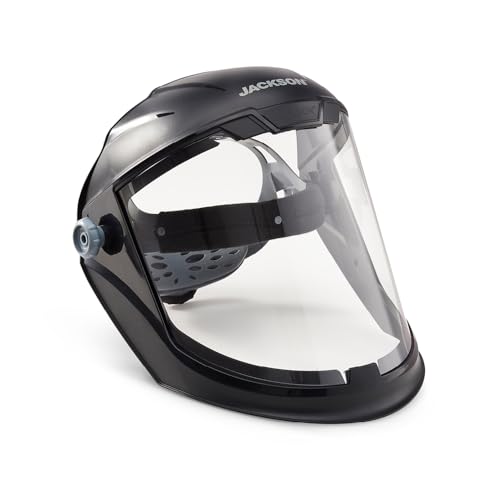

Steps for Lightening Wood Surfaces
First, acquire hydrogen peroxide (3% concentration) and a clean spray bottle. This solution is a safe alternative that significantly helps in diminishing the natural color of wood.
Application Process
Spray the peroxide evenly on the surface, ensuring full coverage. Allow it to sit for 30 minutes. If the desired shade isn’t achieved, repeat the application. This method is suitable for treating lighter spots rather than achieving uniformity in color transformations.
Post-Treatment Care
After reaching your preferred hue, wash the surface with warm, soapy water to neutralize any chemicals. Let it dry thoroughly. To protect this new finish, consider applying a light coat of furniture oil or a wax sealant.
| Item | Use |
|---|---|
| Hydrogen Peroxide | Lightening |
| Soapy Water | Neutralizing |
| Furniture Oil/Wax | Protecting |
Choosing the Right Bleaching Agent for Wood
Opt for hydrogen peroxide for a safer approach. It’s effective against stains and less harsh than other options, making it suitable for delicate surfaces.
For a more potent solution, consider sodium hydroxide. This agent can lighten darker grains aggressively, but requires careful handling due to its corrosive nature.
Oxalic acid serves well for removing iron stains and revitalizing the appearance of timber. However, avoid using it on porous varieties, as it can lead to uneven results.
Evaluate the specific type of grain in your piece. Maple may respond differently than oak. Always test on a concealed area first to gauge the reaction.
Ensure you wear gloves and work in a ventilated area. The fumes from certain chemicals can be hazardous, and personal safety should always be a priority.
Ultimately, the choice of agent hinges on the desired outcome and the specific characteristics of the material you’re treating. Stay informed about each option to make an optimal decision.
Preparing Your Wooden Items for Treatment
I ensure the surface is clean and smooth before applying any treatment. First, I remove all dust and dirt using a damp cloth. If there are stains or old finishes, I opt for a gentle abrasion with fine-grit sandpaper, making sure to follow the wood’s grain.
Next, I inspect the piece for any damage, such as cracks or loose joints. I repair imperfections using wood filler and clamps, allowing sufficient drying time before proceeding. If the item has been previously treated, I double-check whether any old finishes need to be stripped away to achieve an even application.
Once the surface is prepared, I work in a well-ventilated area, ensuring safety and comfort during the process. I also gather necessary supplies:
- Protective gloves
- Safety goggles
- Drop cloths or newspaper for floor protection
- Brushes or applicators for the product
- Container for mixing solutions
- Water for rinsing if needed
I make sure to wear old clothing and cover my workspace to avoid any mess. By taking these precautions, I can focus on achieving the desired results without worry.
Step-by-Step Process of Applying Bleach to Wood
First, ensure you’re in a well-ventilated space. Safety gear is non-negotiable; I use gloves, goggles, and a mask to protect myself from fumes. Prepare an appropriate container for mixing the solution, typically plastic or glass, to avoid any reaction with metals.
Mixing the Solution
For best results, I blend one part of a chosen agent with two parts of water. Stir the mixture thoroughly until evenly combined. Always test a small, inconspicuous area of the surface to check the reaction before applying it to the entire piece.
Application Process
Using a clean brush or cloth, I apply the mixture generously and evenly across the surface. I ensure I cover all areas without leaving drips. Once applied, I let it sit for approximately 10-15 minutes, monitoring the color change. If necessary, I can reapply until the desired lightness is reached. Afterward, I rinse thoroughly with water, ensuring all residues are removed. Finally, I dry the item completely before any finishing touches.
Neutralizing Chemicals on Timber Surfaces
To effectively neutralize the agents used during the lightening process on timber, I prepare a simple solution of equal parts white vinegar and water. This mixture effectively counters the chemical action without causing damage to the surface. After the application of the brightening substance, I apply this solution generously with a soft cloth, ensuring all areas are covered.
Steps for Effective Neutralization
Rinse the surface thoroughly with clean water after applying the vinegar solution. It’s crucial to remove all residues. I often use a damp cloth for this step. Following the rinse, I dry the area with a clean towel to prevent moisture damage. If any lingering odor remains, I leave the piece to air out in a well-ventilated area, which minimizes any chemical scent.
Final Preparation for Finishing
Once neutralized and dried, I inspect for any discolorations or unevenness. Sanding lightly with fine-grit sandpaper can help even out the surface if needed. Finally, I wipe the surface with a tack cloth to remove dust before applying any sealant or finish. This ensures a smooth and durable final appearance.
Techniques for Achieving Even Bleaching Results
Prior to application, ensure the surface is impeccably sanded to a smooth finish. This prevents any imperfections from absorbing treatment unevenly.
Utilize a brush or rag to apply solution uniformly, avoiding pooling and streaks. I prefer working in sections, applying a consistent layer in one go.
Monitor the absorption rate closely; if one area absorbs faster than others, lightly reapply to maintain uniformity. Keeping a damp cloth on hand can help with managing excess treatment.
Consider employing a spray bottle for an even mist, especially on larger surfaces. This allows for better control and minimizes drips.
After the initial application, assess the results and repeat if necessary. Working in a well-lit area will help in identifying uneven spots and ensuring a cohesive appearance.
Lastly, follow with a neutralizing wash to halt the process and prepare the surface for any subsequent treatments or finishes. This step is vital for achieving a balanced look across the entire item.
Post-Bleaching Treatment and Finishing Options
I recommend treating the surface immediately after the lightening process to protect it. First, rinse thoroughly with water to eliminate any residual agents, then let it dry completely. This prevents potential damage from prolonged exposure to chemicals.
Once dried, consider applying a wood conditioner. This helps in achieving an even absorption of the subsequent finishes, especially if you aim to stain or apply a topcoat. Conditioning is particularly effective for softer species of timber.
For protecting the surface and enhancing its appearance, oil-based or water-based sealants work well. Oil finishes, like tung or linseed oil, penetrate deeply, providing a rich, warm look, while water-based varnishes are quick-drying and offer a clear, durable layer that retains the natural color post-treatment.
If opting for a stain, choose a shade that aligns with the new aesthetic. Test on a small area to see how the newly lightened grain reacts. Applying a stain after conditioning will yield a more uniform color.
Finally, a final topcoat layer, whether polyurethane or a clear lacquer, will offer the best possible protection from scratches and environmental factors. Ensure it is compatible with the finish used earlier–oil or water-based.
Common Mistakes to Avoid When Lightening Treated Surfaces
Skipping the preparation phase leads to uneven results. It’s imperative to clean surfaces thoroughly, removing dirt and grease, to ensure the agent works effectively.
Inadequate Ventilation
Poor airflow can cause harmful fumes to accumulate, impacting both health and project outcome. Always work in a well-ventilated area to minimize risks.
Neglecting Protective Gear
Failing to wear appropriate safety gear is a critical error. Gloves, masks, and goggles protect against irritation and potential harm from chemicals used in treatment.
Using inappropriate products can yield unexpected results. Always choose agents designed for the specific type of surface you’re treating, ensuring compatibility for optimal performance.
Applying too much solution at once risks streaks and inconsistencies. It’s wise to use thin, even layers, allowing each coat to dry before adding another.
Ignoring drying times is another frequent oversight. Rushing the process can trap moisture, resulting in a compromised finish or damage to underlying materials.
Once the process is complete, skipping neutralization can lead to adverse effects on the finish. Always follow up with a neutralizing solution to stop the chemical reaction.
Lastly, not conducting a patch test can result in regrettable outcomes. Always test on a small, inconspicuous area first to gauge how the surface reacts.
Maintaining and Caring for Bleached Wooden Items
Regular upkeep is key to preserving the aesthetic and integrity of recently treated pieces. Here’s how I ensure their longevity:
- Cleaning: Use a soft, damp cloth for routine dusting. Avoid harsh chemicals; instead, opt for pH-neutral cleaners to prevent damage.
- Conditioning: Apply a wood conditioner or a suitable oil every 6 to 12 months. This replenishes moisture and helps maintain a uniform appearance.
- Protection: Position items away from direct sunlight and heat sources to minimize fading and warping. Use coasters, placemats, and table runners to shield surfaces from scratches and stains.
- Reapplication of Finish: Depending on traffic and use, consider reapplying a protective finish every few years. This aids in preserving the lightened color and enhances durability.
- Repairs: Address any scratches or dents promptly. A touch-up marker or wax fill can remedy minor imperfections without needing extensive refinishing.
By adhering to these practices, I can prolong the life and beauty of my lightened pieces, ensuring they remain a stunning addition to my home.


