Caleb Turner
Begin with selecting the right fasteners for stability, such as screws or dowels, depending on the thickness of your material. For most items, pre-drill holes to avoid splitting the wood when securing the supports. Measure accurately to ensure even placement for optimal balance.
Next, align your chosen supports with the pre-drilled holes and insert your fasteners. Use a power drill or screwdriver, applying gentle pressure to avoid damaging the surrounding area. Alternatively, consider using corner brackets for added strength and ease of installation if you prefer a more hands-free approach.
Lastly, check the stability by gently shaking the item to ensure everything is secure. If any wobbling occurs, consider adding more fasteners or re-evaluating the alignment. Finishing touches such as sanding or staining can enhance the aesthetics and protect the wood over time.
Choosing the Right Wooden Legs for Your Furniture
Select solid timbers for durability and aesthetic appeal. Avoid soft woods for heavy pieces as they may not support the weight effectively.
Consider the finish. A natural wood grain enhances visual texture, while painted options can match or contrast existing color schemes.


- Height: Ensure the dimensions align with the style and intended use. Standard dining options range from 28 to 30 inches, while coffee versions are usually lower.
- Style: Choose between contemporary, rustic, or vintage. Each can drastically affect the overall character and feel of the piece.
- Shape: Straight versus tapered designs influence stability. Tapered options often provide a more elegant silhouette.
- Weight Capacity: Assess the expected load. Heavier items or frequent use necessitate sturdier supports.
Assess installation mechanisms. Pre-drilled holes or threaded inserts can simplify setup and adjustment.
Lastly, source from reputable suppliers. Quality craftsmanship ensures longevity and satisfaction in your selection.
Tools and Materials Needed for Attachment
Gather a power drill for creating pilot holes and driving screws, ensuring a secure fit. A measuring tape will help in determining exact placements, allowing for even spacing and alignment. Adjusting screwdrivers, both flathead and Phillips, are necessary for securing the fasteners.
Quality wood screws, suited to the size and weight of your item, should be chosen for strength. If needed, corner brackets can be included for additional stability, providing extra support at the joints. Wood glue is a reliable option for enhancing adhesion, ensuring longer-lasting connections.
A level ensures your piece remains straight during and after the process. Sandpaper or a hand sander helps address any rough edges or blemishes, giving a polished look to the final assembly. Lastly, a safety kit, including goggles and gloves, protects against potential debris and injury while working.
Measuring and Marking Attachment Points
I recommend using a measuring tape to determine the precise locations where the supports will be positioned. Measure the distance from each corner of the piece, ensuring that the points are equidistant from edges to maintain balance.
Using a Square and Level
Utilizing a carpenter’s square can help me verify that my marks are correctly aligned at right angles. After marking, I ensure everything is level using a spirit level, which prevents any wobbling once the supports are in place.
Double-Checking Measurements
Before finalizing the markings, I measure each point twice. This step greatly minimizes errors. If available, I use a chalk line to create straight lines connecting the marked points, offering a clear guide for drilling or fastening later.
Drilling Pilot Holes for Wooden Legs
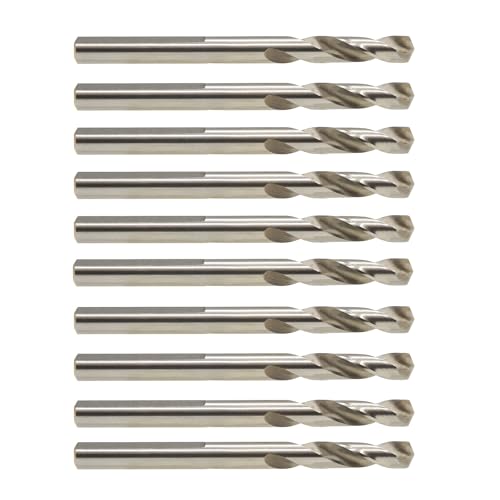
Before securing any supports, I always drill pilot holes to prevent the material from splitting. Selecting a drill bit that is slightly smaller than the diameter of the screws is crucial for achieving a snug fit. I typically use a bit that matches the core diameter of the screw, ensuring it can be driven in without resistance.
When marking the locations for pilot holes, I align them with the pre-drilled holes in the stabilizers, ensuring accuracy. Using a measuring tape and square, I check for symmetry before making any cuts. Finally, I drill straight into the marked positions, maintaining a consistent depth. I often use a depth stop or piece of tape on the drill bit to monitor the depth, ensuring I don’t exceed beyond the necessary length.
Once completed, I check the alignment of the drilled holes against the mounting brackets. This verification step is vital to confirm that everything is positioned correctly before proceeding with placement. Properly executed pilot holes significantly enhance the durability and stability of the installation, contributing to an overall polished outcome.
Securing wooden legs with screws
Using screws is a reliable method for ensuring stability in my projects. I choose high-quality wood screws, ideally 1.5 to 2 inches in length, which provide strong engagement without compromising the integrity of the material.
Before inserting screws, I align the support with the intended position. I often use a clamp to hold the piece steady during this process. For better penetration and reduced risk of splitting, I always drill pilot holes slightly smaller than the screw diameter. This preparation is key.
When securing the support, I drive the screws gradually. I use a power drill for efficiency, but I clarify that maintaining control is paramount; over-tightening can lead to damage. It’s beneficial to alternate the tightening process across multiple screws to distribute pressure evenly.
Regular inspections after completion ensure everything remains secure. If I notice any looseness over time, I promptly address it by tightening screws as necessary.
| Step | Description |
|---|---|
| 1 | Select appropriate wood screws (1.5 to 2 inches). |
| 2 | Align the support and hold it firmly in place. |
| 3 | Drill pilot holes slightly smaller than the screws. |
| 4 | Drive screws gradually without over-tightening. |
| 5 | Inspect and tighten if any screws become loose. |
Using Brackets for Added Stability
Incorporating brackets significantly enhances the strength of your setup. Choose sturdy L-brackets, which distribute weight evenly and reduce wobbles. I prefer brackets that are made from heavy-duty metal for increased durability.
Position the brackets at each corner where the post meets the base. This placement reinforces the joint and adds extra support. Ensure the brackets align flush against both surfaces, then mark your drilling points to secure them properly.
Utilize screws that match the gauge of the brackets. After drilling pilot holes, attach the brackets firmly, ensuring that they are tight but not overdriven to avoid stripping the material.
For additional security, consider using corner braces in larger pieces of cabinetry. These are especially beneficial for units that bear significant weight. Always verify the level of your piece after securing the brackets; this ensures it stands firm and steady.
Lastly, I recommend checking the stability periodically, especially after relocation or if you change its use. Regular maintenance will extend the life of your project.
Finishing touches after leg attachment
After securing the support structures, it’s crucial to check for any wobbling. Gently rock the item to identify unstable areas. If movement is detected, consider adding felt pads underneath to even out contact points with the ground. These pads not only stabilize but also protect both the surface and the structure from scratches.
Sanding and Staining
Inspect the areas where the new supports meet the main piece. If there are any visible gaps or uneven surfaces, sanding those spots smooth is recommended to create a seamless appearance. Utilizing the same stain or paint as the main structure will help unify the look, ensuring a cohesive finish. I often apply two to three coats of stain or sealant for durability, allowing adequate drying time between each application.
Final Inspection
Once any finishes have cured, inspect for any remaining rough edges or splinters. A final sanding session with fine-grit paper can refine the surface. This small step enhances both safety and aesthetics. Additionally, checking for loose screws or brackets is vital; retightening these elements will ensure long-lasting sturdiness.
Testing the Stability of the Piece
Begin by carefully inspecting the piece for any wobbling or instability after mounting the supports. A quick method is to gently push the item from different angles to feel for any movement. Ideally, the assembly should remain firm without any noticeable sway.
Balancing the Structure
To further test balance, place a level on top of the surface. This will help identify any discrepancies in height that could lead to instability. Adjust each support as necessary until the item is perfectly horizontal.
Weight Distribution Check
Add weight gradually to the surface. Monitor how it handles the additional load. If signs of buckling or excessive flexing appear, reassess the connection points and consider reinforcing weak areas. Testing with real usage scenarios, like placing books or a lamp, provides a realistic idea of its robustness.
Maintaining Wooden Supports for Longevity
To ensure the durability of your vertical supports, regular care is necessary. Start with routine dusting using a microfiber cloth to avoid scratches and preserve the finish.
Apply a suitable protective coating every six months. This can include:
- Wood wax for a natural sheen.
- Polyurethane finish for added durability.
- Oil-based products to nourish and protect.
Avoid excessive moisture. When cleaning, use a slightly damp cloth and immediately dry with another cloth to prevent warping or swelling.
Inspect joints and attachment points periodically for signs of wear or loosening. Tighten screws if necessary to maintain stability.
Consider adding felt pads under the supports to reduce friction and protect floors, minimizing wear on both surfaces.
Store items properly on surfaces to prevent undue stress that can lead to cracking or other damage. Distribute weight evenly, especially on larger pieces.
By integrating these practices, the longevity and appearance of your vertical structures will be significantly enhanced.