
 Caleb Turner
To maximize the functionality of limited living areas, I suggest prioritizing multipurpose items that blend seamlessly into the environment. For instance, a sofa bed can transform the seating area into a cozy sleeping quarter, effectively utilizing space without compromising comfort.
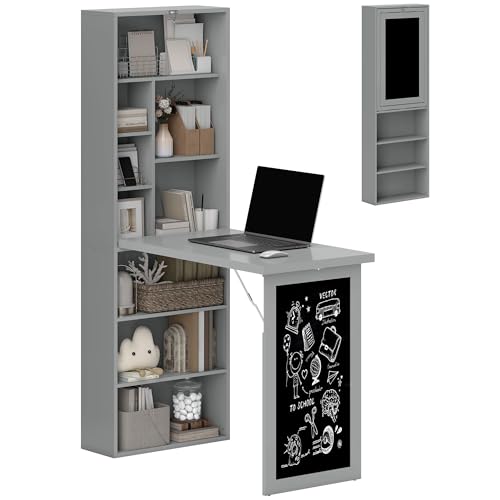
Setting aside a designated zone for work is equally important, especially in a compact home. A wall-mounted desk or a fold-out table provides the perfect balance between utility and openness. Placing it near a window not only enhances productivity but also allows natural light to brighten the confines.
Utilizing vertical space can significantly impact the overall feel of the area. Installing shelves or cabinets that rise to the ceiling draws the eye upward and creates an illusion of height. This approach not only helps with storage but also contributes to a more organized and spacious atmosphere.
Don’t overlook the strategic placement of mirrors. Positioning a large mirror across from a window can reflect light and make the area appear larger. Choosing smaller, decorative mirrors can also add style without overwhelming the space.


Incorporating light colors and minimalistic decor can unify a small living space. A cohesive color palette enhances the sense of openness, while carefully selected decor can express personality without leading to clutter.
Optimal Layout Tips for Compact Living Spaces
Utilize multi-functional pieces. For instance, a sofa bed can serve dual purposes, providing a comfortable seating area by day and converting into a sleeping space at night. This versatility maximizes utility without sacrificing style.
Consider vertical storage. Employ wall-mounted shelves or tall bookcases to draw the eyes upward, freeing floor space and creating an illusion of height. Utilize the walls for storage to keep the floor area uncluttered.
Zone the area effectively. Use rugs to differentiate spaces for sleeping, working, and relaxation. This method visually separates each zone, enhancing functionality while maintaining an open feel.
Opt for lighter colors in your decor. Pale hues reflect light and create a sense of openness. Pairing light walls with similarly colored furniture can impart a cohesive look, making the area feel more expansive.
Keep pathways clear. Ensure that there’s adequate space for movement between essential areas. This strategy helps avoid a cramped atmosphere while promoting ease of access.
Incorporate mirrors strategically. Mirrors can visually expand the room, making it appear larger. Place them opposite windows to reflect natural light, enhancing brightness while creating depth.
Invest in collapsible or stackable items. Chairs and tables that can be stored away when not in use maximize flexibility, allowing you to tailor the setup based on daily needs or entertaining.
Limit decorative items. Choose a few statement pieces instead of cluttering with numerous small decor items. This tactic maintains aesthetics without overwhelming the visual space.
Finally, maintain a consistent style throughout. Keeping a unified theme creates a harmonious environment that feels intentional rather than chaotic, fostering a more relaxing ambiance in even the coziest corners.
Maximize Vertical Space with Tall Furniture
Opt for tall bookshelves to draw the eye upwards, utilizing the entire height of walls. This not only increases storage but also creates an illusion of spaciousness. Choose units with open shelves to keep the room feeling airy. Organize books and decorative items by color or size for a cohesive look.
Consider a high dresser instead of a wide one. This approach frees up floor space while providing ample storage for clothing and accessories. Position it near your bed for convenience. Use the top surface for storage baskets or decorative elements, enhancing both functionality and aesthetics.
Incorporate tall cabinets. These can serve as multifunctional pieces, offering storage as well as a spot for kitchen appliances or personal items. Look for cabinets with transparent doors to showcase items inside, making the space feel less cluttered.
Wall-mounted shelves can add additional layers of storage without occupying floor space. Install them at varying heights to create visual interest and functionality. Utilize them for displaying art, plants, or personal collections.
Utilize vertical space in the entryway with tall coat racks or hooks. This keeps outerwear organized without taking up much room. Ensure that lower compartments remain accessible for shoes or bags, maintaining ease of use.
Finally, consider tall potted plants. They not only enhance décor but also add a natural element to your environment. Position them in corners or beside furniture to soften hard lines and create a more inviting atmosphere.
Choose Multi-Functional Pieces for Flexibility
I recommend selecting items that serve multiple purposes. For instance, a sofa bed can transform into sleeping space without requiring additional room for a separate bed.
Consider the following options:
- Ottomans: Look for ottomans that open up for storage. They can act as coffee tables or additional seating when needed.
- Foldable Tables: A foldable dining table provides flexibility for meals or workspace while saving space when not in use.
- Murphy Beds: These wall-mounted beds can be tucked away during the day, freeing up floor space for other activities.
- Stylish Room Dividers: Use a screen that doubles as a decorative element while creating distinct areas for different functions.
- Nesting Tables: Nesting tables can be separated for use or stacked together to save space, allowing versatility in serving or display needs.
Mixing these elements not only enhances the utility of each piece but also creates a dynamic and adaptable living environment. Finding quality multi-functional components will maximize the potential of limited space.
Define Zones with Rugs and Lighting
To create a sense of distinct areas, I use rugs strategically. Selecting different styles or colors for each zone helps in visually segregating spaces. For instance, a soft, welcoming rug under the seating arrangement delineates a cozy relaxation spot, while a patterned or more durable option in the dining section reinforces that area. I often recommend ensuring rugs are appropriately sized, so they fit under furniture to enhance the cohesion of each zone.
Lighting Techniques
In addition to rugs, lighting plays a crucial role in defining spaces. I incorporate various sources such as floor lamps, table lamps, and pendant lights to establish a layered lighting effect. A pendant above the dining table not only adds brightness but also sets that area apart. For reading corners, an adjustable floor lamp provides focused light while creating an inviting atmosphere. Dimming options can further enhance flexibility, allowing for adjustments based on occasion or time of day.
Combining Elements
By blending rugs and lighting, I create a harmonious environment that intuitively guides movement through different functions. I avoid using harsh overhead lighting to keep the atmosphere warm and inviting. Instead, I prioritize versatile fixtures that complement the overall aesthetic while clearly marking transitions from one space to another, enhancing both functionality and comfort.
Utilize Corner Spaces for Extra Storage
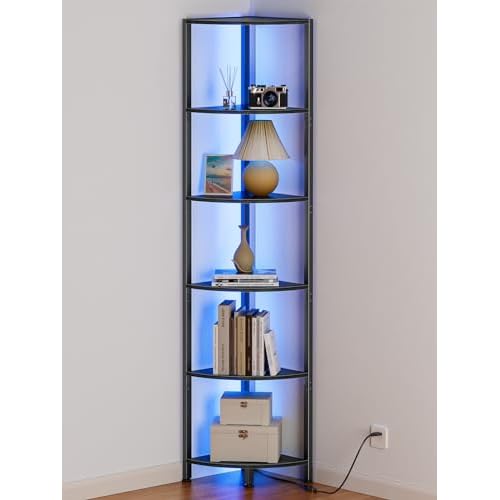
Maximizing often overlooked corner areas can significantly enhance organization in limited spaces. I recommend incorporating corner shelves or cabinets that reach up towards the ceiling, making use of otherwise wasted vertical space. This not only provides additional storage but also draws the eye upward, creating a perception of a larger environment.
Creative Solutions
Consider corner units that can house books, decorative items, or even kitchen essentials. If you’re tight on room, wall-mounted shelves can be a fantastic option. These shelves do not take up floor space and can be arranged at varying heights for visual interest. Adding baskets or bins within these shelves can help in decluttering while keeping necessary items easily accessible.
Incorporate Multi-Use Items
Incorporate benches or ottomans in corners that provide both seating and storage. Choosing these pieces with hidden compartments can significantly reduce clutter while enhancing comfort. I find that using mirrors on corner walls also helps give an illusion of expanded space and light, making the area feel more open.
In summary, corner spaces can be transformed into functional and stylish storage areas by choosing the right elements that blend practicality with aesthetics, perfectly complementing your living area.
Opt for Foldable or Collapsible Furniture
In my experience, choosing foldable or collapsible pieces is a smart way to maximize functionality while maintaining a comfortable living space. These items can be easily stowed away when not in use, freeing up valuable room.
Versatile Options
Consider items such as drop-leaf tables, which can expand for dining and contract for storage. Chairs that stack or fold flat are also advantageous for flexibility. Additionally, a murphy bed can convert a bedroom into an open living area, making the environment adaptable.
Benefits of Mobility
This type of setup allows me to rearrange the environment quickly. When hosting guests, it’s simple to pull out extra seating or a dining surface, then tuck it away afterward. It promotes an organized atmosphere and keeps clutter to a minimum.
| Furniture Type | Functionality | Storage Solution |
|---|---|---|
| Drop-leaf Table | Dining/Workspace | Folded against the wall |
| Folding Chairs | Seating | Stackable or stored in a closet |
| Murphy Bed | Sleeping Space | Folded into the wall |
| Collapsible Shelves | Storage | Compact when not needed |
Incorporating such elements creates an adaptable environment, ensuring my living quarters can transform for various needs while remaining open and airy.
Keep It Simple: Limit Clutter and Accessories
Focus on a few key accessories that reflect personal style rather than cluttering the space with numerous decorative items. I prioritize selecting one or two statement pieces, such as a unique lamp or artwork, to draw attention without overwhelming.
Storage solutions can also contribute to maintaining a clean environment. Opt for hidden storage, like ottomans or benches with inside compartments, which allow me to stow away items while keeping the area looking tidy.
When it comes to decorative elements, I limit myself to functional objects. For example, bookshelves not only serve as storage but can also display personal items or plants in a way that adds character without excessive ornamentation.
Regularly assess belongings to identify items that aren’t needed. I’ve found that donating or discarding unused objects helps conserve space and maintains a more tranquil atmosphere. A minimalist approach can significantly enhance overall comfort and functionality in any living area.
Consider the colors and materials of chosen accessories as well. I prefer a cohesive color palette to create a seamless look. Neutral shades paired with a few bold accents can create visual interest without causing chaos.
Finally, establish a quick-cleaning routine to address small messes daily. This habit prevents clutter from accumulating, keeping any space feeling open and inviting.
Position Furniture for Natural Flow and Movement
Place larger elements, like your bed or sofa, against walls, creating clear pathways through the area. This opens up space and promotes movement. Maintain at least 2-3 feet of walking space between different areas for comfort.
Utilize a central layout for seating, positioning chairs around a table or a coffee table. This not only encourages conversation but also enhances accessibility. Try arranging pieces to form a U-shape, maximizing both seating and social interaction.
Consider using transparent items, such as acrylic chairs or glass tables, to create an illusion of openness. These pieces don’t visually clutter the space, allowing for easier movement and navigation.
Incorporate multi-functional elements strategically. For instance, ottomans can serve as both seating and storage, providing functionality without obstructing flow.
Adjust items based on daily routines. If the space serves multiple functions, such as a work area and living zone, arrange movable pieces that can easily shift based on the activity, ensuring no area feels cramped.
Optimize vertical space by aligning shelves or cabinets vertically against walls. This draws the eye upward, creating a sense of openness while allowing ample floor space for easy movement.
Incorporate Mirrors to Create Illusion of Space
Utilizing mirrors effectively can significantly enhance the perception of roominess within a compact dwelling. Positioning large mirrors opposite windows or light sources will reflect natural light, amplifying brightness and making interiors feel more expansive.
Placement Tips
Place mirrors strategically to maximize their impact:
| Location | Effect |
|---|---|
| Opposite a Window | Reflects sunlight, creating a brighter atmosphere |
| Near a Light Source | Enhances light distribution, reducing shadows |
| As a Focal Point | Draws attention, making the space feel larger |
| In Entryways | Creates an inviting entry and adds depth |
Mirror Styles
Select mirrors that complement your existing decor:
- Wall-mounted: Saves floor space and can be framed or frameless.
- Full-length: Provides a sense of height and can be leaned against a wall.
- Decorative: A unique shape or design can serve as art while reflecting light.
Incorporating mirrors not only enhances visual space but also adds a stylish element to your overall design. Experiment with different placements to find what works best for your lifestyle and aesthetic preferences.
Select a Cohesive Color Palette for Unity
Selecting a unified color scheme is vital for creating harmony in a compact space. Choose two to three main colors as your foundation, with additional complementary shades for accents. For instance, pairing soft neutrals with pops of teal or coral can add personality without overwhelming the senses.
Consider the Psychology of Colors
Understanding color psychology helps in making informed choices. Cool tones like blues and greens evoke calmness, while warm colors like reds and yellows can energize a room. Depending on how you want to feel in your living area, tailor your palette accordingly.
Accent Pieces for Variation
Incorporate accent pieces in your chosen hues to enhance the overall aesthetic. This can be through cushions, throws, or wall art that reflects your palette. Ensure these items are thoughtfully placed to avoid clutter while still adding interest to the design.
By focusing on a cohesive color palette, your living area can feel spacious and inviting while maintaining a distinct personality.


